Baskin-Robbins Logo History: Meaning, Symbolism & Brand Heritage
Baskin-Robbins is one of the most recognizable ice cream brands in the world, built on a simple but memorable promise: variety. Founded in the United States in the mid-20th century, the brand introduced a concept that would define its identity for decades — “31 flavors,” one for every day of the month. Much like explored in Toblerone Logo History and Häagen-Dazs Logo History, Baskin-Robbins demonstrates how a strong concept can shape both product and visual identity. Within the broader landscape of food and dessert brand logos, it stands out for embedding meaning directly into its design.
The Baskin-Robbins logo history is centered around a single idea that never disappeared: the number “31.” Whether visible or hidden, it has remained the core of the brand’s visual storytelling.
Baskin-Robbins Logo Meaning and History: The Origin of “31 Flavors”
The origin of Baskin-Robbins dates back to two separate ice cream shops founded by Burt Baskin and Irv Robbins. When the two merged their businesses, they created a unified brand built around innovation and variety.
The idea of offering 31 flavors was revolutionary at the time. It suggested abundance, choice, and a different experience every day. This concept quickly became the foundation of the Baskin-Robbins logo meaning.
From the very beginning, the number “31” was not just a marketing slogan — it was a central visual element. Early logos placed it front and center, making it impossible to miss.
As the brand evolved, the way this number was presented changed, but its significance remained constant. This continuity is key to Baskin-Robbins logo heritage, where meaning is preserved even as design adapts.
Baskin-Robbins Logo Symbolism: Hidden Meaning and Playful Identity
The Baskin-Robbins logo symbolism is one of the most clever examples in branding. While early versions displayed the number “31” openly, modern versions integrate it into the typography itself.
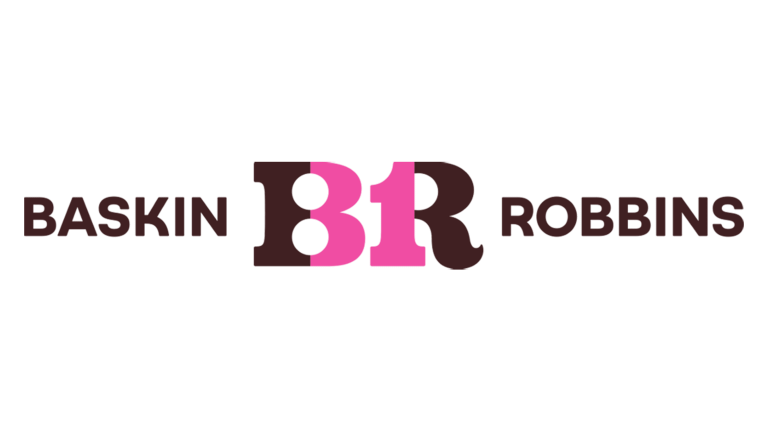
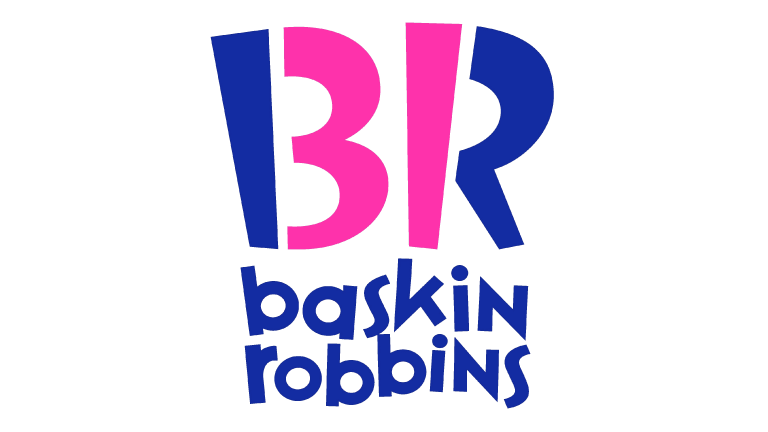
In the current design, the pink portions of the letters “B” and “R” subtly form the number “31.” This hidden element transforms the logo into an interactive experience — once you see it, you cannot unsee it.
This approach aligns perfectly with the brand’s personality. Baskin-Robbins is playful, creative, and built around discovery. The hidden “31” reflects that spirit.
The use of pink and blue reinforces this identity. Pink conveys sweetness and fun, while blue adds balance and trust.
Together, these elements create a logo that feels both nostalgic and modern.
Baskin-Robbins Logo History Timeline: Evolution of the “31 Flavors” Identity
1953–1980: First Unified Logo and the Introduction of the “31 Flavors” Concept
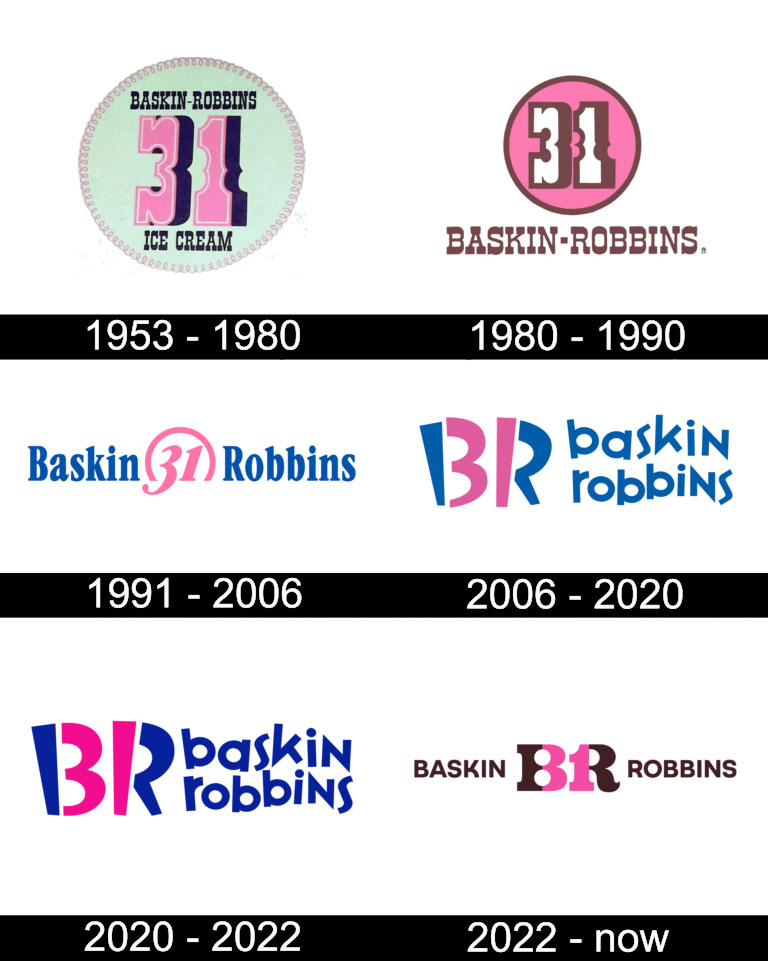
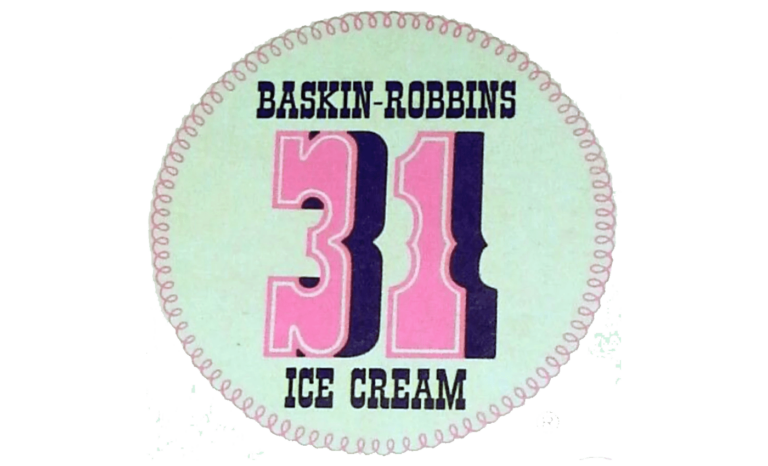
In 1953, Baskin-Robbins introduced its first unified logo after merging the two original brands. This design was built around the number “31,” which became the centerpiece of the identity.
The logo featured a circular badge with a mint green background and decorative stitching along the edges. The pink “31” stood prominently in the center, with the brand name placed above and “Ice Cream” below.
This version established the visual foundation of Baskin-Robbins logo history, combining friendliness, clarity, and a strong central concept.
1980–1990: Simplified Badge and Focus on the Core Number
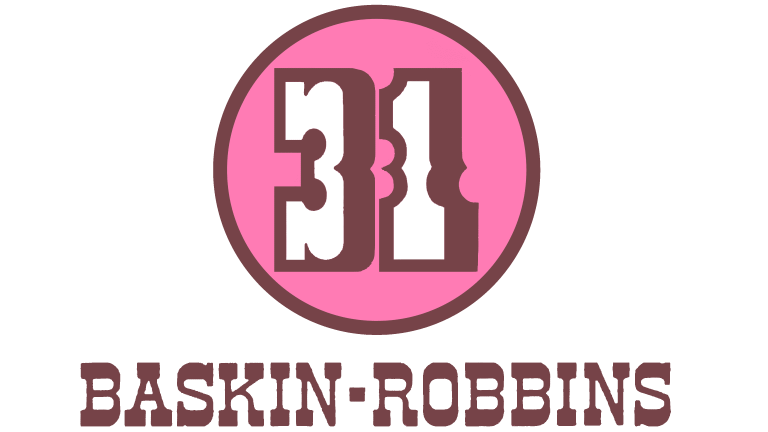
In the 1980 redesign, the logo became more focused. The circular badge remained, but the composition was simplified.
The number “31” continued to dominate the design, now presented in white with a darker outline and shadow. The wordmark was moved below, and the “Ice Cream” descriptor was removed.
This version reinforced the importance of the number while improving clarity and recognition.
1991–2006: Integration of the “31” into the Wordmark
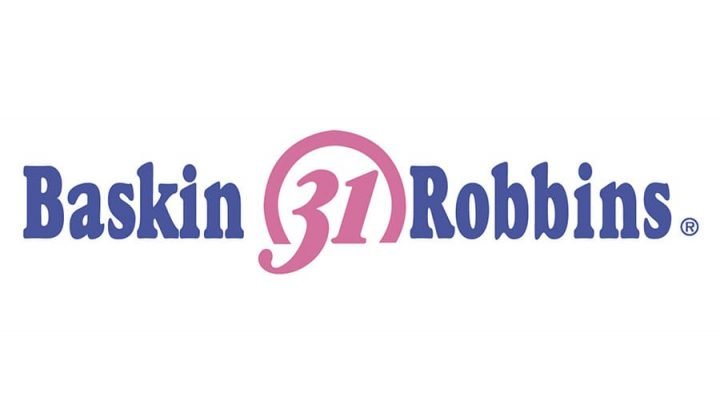
The 1991 redesign marked a significant shift in Baskin-Robbins logo meaning. Instead of separating the number from the brand name, designers integrated it directly into the wordmark.
“Baskin” and “Robbins” were placed on either side of the “31,” creating a more cohesive composition. The color palette was simplified to pink and blue, which became strongly associated with the brand.
This version improved scalability and modernized the identity while preserving its core concept.
2006–2020: Hidden “31” and Modern Brand Refresh
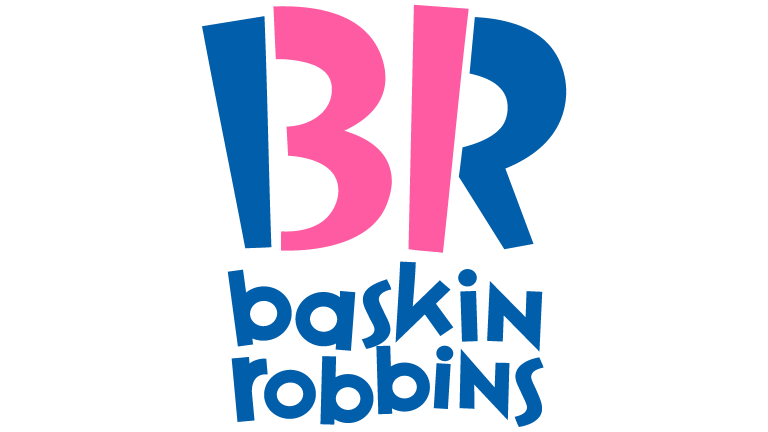
In 2006, Baskin-Robbins introduced one of its most iconic logo updates. The number “31” was no longer displayed explicitly but hidden within the letters “B” and “R.”
The pink sections of the letters formed the number subtly, making it a detail that many people overlooked at first glance.
This redesign reflected a more modern approach to branding, where meaning is embedded rather than obvious. It also demonstrated confidence in the strength of the concept, allowing it to evolve without being lost.
2020–2022: Refined Colors and Enhanced Visual Depth
The 2020 update introduced minor adjustments to the color palette. The tones became slightly darker and more saturated, giving the logo a stronger and more contemporary appearance.
While the structure remained unchanged, these refinements improved visibility and consistency across digital platforms.
2022–Present: Heritage-Inspired Redesign and Modern Monogram
The most recent redesign pays tribute to the brand’s early identity while introducing a more refined and structured composition.
The logo now features a bold “BR” monogram in brown, with pink internal shapes forming the hidden “31.” The full brand name appears on either side in a clean, modern sans-serif typeface.
The updated color palette, combining brown and pink, adds warmth and a sense of heritage while maintaining the playful character of the brand.
This version reflects the maturity of Baskin-Robbins logo heritage, balancing nostalgia with contemporary design.
Baskin-Robbins Logo Typography and Color: Playfulness and Brand Recognition
Typography plays a central role in the Baskin-Robbins logo design. The modern sans-serif typeface is clean and approachable, reflecting the brand’s accessibility.
The integration of the hidden “31” within the letterforms adds a unique visual feature that sets the logo apart from competitors.
Color is equally important in the logo description. Pink remains the dominant accent, symbolizing sweetness, fun, and creativity. Blue and brown provide contrast and stability, grounding the design.
This combination creates a visual identity that feels both energetic and trustworthy.
Baskin-Robbins Logo Heritage: A Timeless Concept in a Modern Form
The Baskin-Robbins logo history demonstrates the power of a single idea carried consistently over time. The number “31” has remained central to the brand’s identity, even as its visual expression evolved.
This continuity is what defines Baskin-Robbins logo heritage. It shows how a concept can outlast design trends, adapting to new contexts without losing its meaning.
In a competitive market, where brands constantly reinvent themselves, Baskin-Robbins stands out by refining rather than replacing its identity.
The result is a logo that feels both familiar and fresh — a rare balance that continues to resonate with audiences worldwide.
Baskin-Robbins Logo History FAQ: Meaning, Symbolism, and Evolution
What does the “31” in the Baskin-Robbins logo mean?
It represents 31 flavors, one for each day of the month.
Where is the “31” hidden in the current logo?
It is formed by the pink parts of the letters “B” and “R.”
Why did Baskin-Robbins hide the number in the logo?
To modernize the design while keeping the core concept.
What colors are used in the Baskin-Robbins logo?
Pink, blue, and brown, symbolizing fun, balance, and warmth.
Has the Baskin-Robbins logo changed significantly over time?
It has evolved, but the concept of “31 flavors” has always remained central.