Marmot Logo Meaning: The Circle, the Peaks and the M
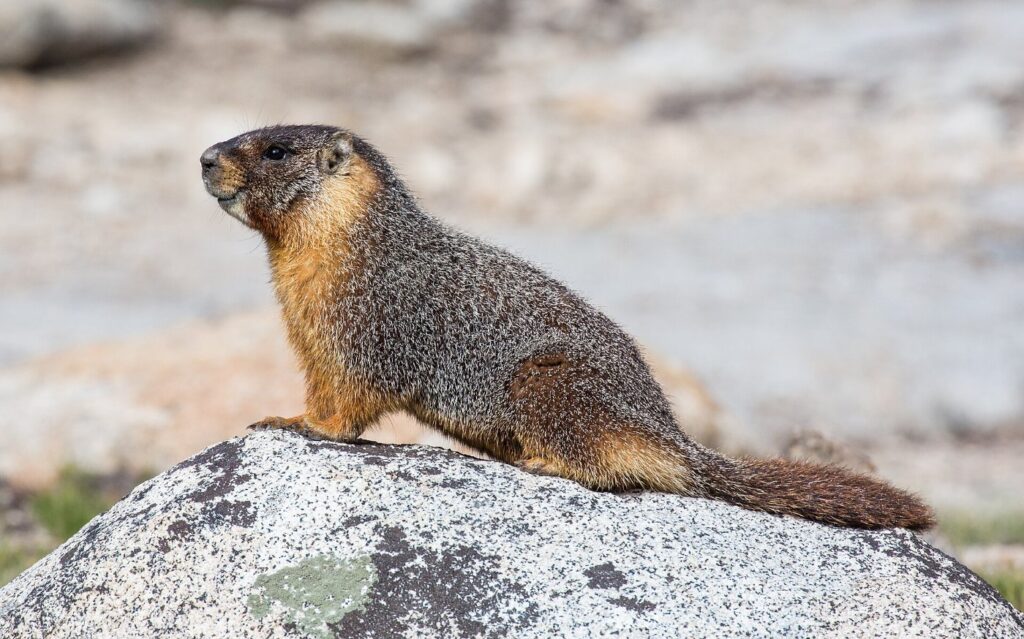
Marmot is named after a chubby mountain rodent that whistles from the rocks above the tree line, and its logo turns that high country into a simple badge: a circle with a jagged M of mountain peaks inside. The brand was started in the 1970s by college friends who sewed down jackets in their dorm room, and it is still a familiar name in American outdoor clothing.
What does the Marmot logo mean?
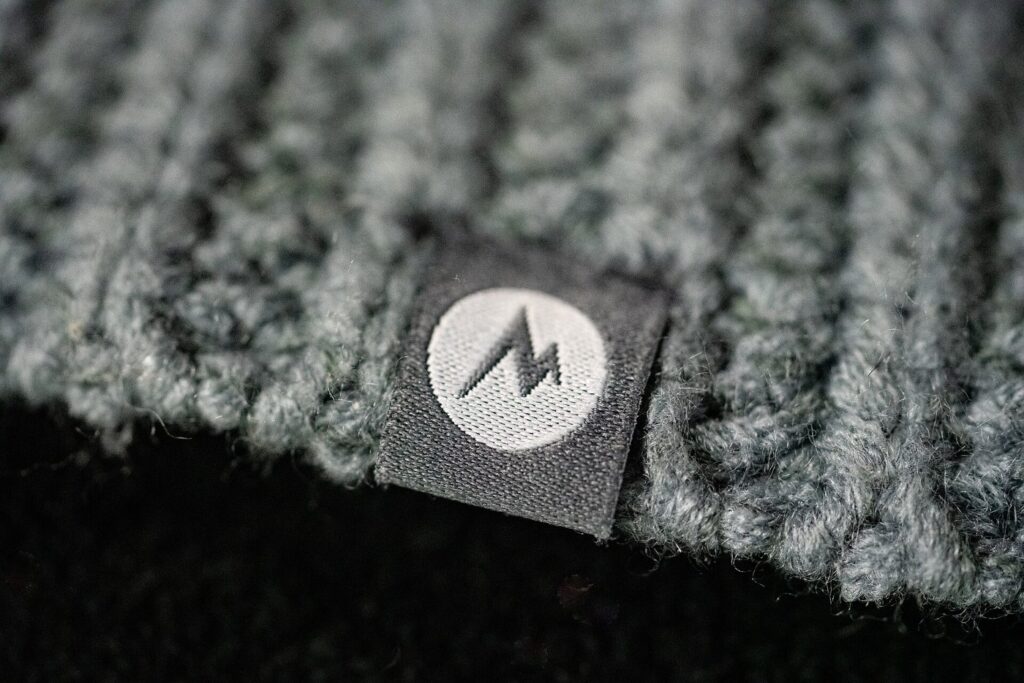
The Marmot emblem is a solid circle with a white shape cut through it. Read one way, the white shape is a row of sharp mountain peaks; read another, it forms the letter M for Marmot. The circle can be seen as the sun or the moon over the range. In most uses the circle is red, the colour most people link to the brand, with MARMOT in bold capitals beside or under it.
The design puts the brand in its natural setting. Marmots live in the high mountains of North America and Europe, the same places the company’s first customers were climbing, and the peaks in the logo make the connection without needing a drawing of the animal itself.
Has the Marmot logo changed?
The circle-and-peaks emblem has been with Marmot for decades, and changes have mostly been in the lettering and colours around it. Earlier logos paired the emblem with different lettering for the name, and the current version uses bold capitals that read well on small tags and online. When the brand prepared for its 50th anniversary in 2024, its design team went back into the archives and brought back brighter colours and retro stripes on clothing, but the core emblem stayed as it was.
Who founded Marmot?
Eric Reynolds and Dave Huntley met as students at the University of California, Santa Cruz, where they made prototype down jackets and sleeping bags in their dorm room. They were joined by Tom Boyce, whom Reynolds had met while climbing in the Grand Tetons. In 1974 the three opened a small rental and retail shop called Marmot Mountain Works in Grand Junction, Colorado.
Their big break came quickly. On the recommendation of adventure filmmaker Mike Hoover, Marmot supplied 108 very warm down jackets for the 1975 Clint Eastwood film The Eiger Sanction, and its Golden Mantle parka appeared on screen. In 1976 Reynolds met Joe Tanner of W.L. Gore & Associates, and Marmot became one of the first companies to use the new Gore-Tex fabric, testing sleeping bags made with it inside a commercial meat locker.
Who owns Marmot today?
Marmot went through hard times in the early 2000s and was bought out of bankruptcy by K2 Inc. in 2004 for about $84 million. K2 was acquired by Jarden Corporation in 2007, and when Newell Rubbermaid bought Jarden in 2016, Marmot became part of what is now Newell Brands, alongside the camping brand Coleman. The company is based in Rohnert Park, California. In the early 2020s new leadership moved Marmot back toward specialty outdoor shops and a lighter, more playful image aimed at casual hikers and campers, not only expedition climbers.
Why do so many outdoor logos use mountains?
Many outdoor logos use mountains, but they draw them in different ways. The North Face uses three curved lines based on Half Dome in Yosemite, Columbia a diamond grid, and Mountain Hardwear a compact emblem its designers call the “nut,” hard on the outside and soft inside. Marmot’s circle with an M of peaks is closer to a classic patch, the kind that looks right on a pack or a beanie. Brands like Canada Goose and Helly Hansen lean more on national identity, while Merrell skipped symbols altogether and uses only its name.
Quick facts
| Founded | 1974, Grand Junction, Colorado (as Marmot Mountain Works) |
| Founders | Eric Reynolds, Dave Huntley, Tom Boyce |
| Name | From the marmot, a mountain-dwelling rodent |
| Logo | Red circle with a white M formed by mountain peaks, plus MARMOT wordmark |
| Firsts | Early adopter of Gore-Tex (1976) |
| Headquarters | Rohnert Park, California |
| Owner | Newell Brands (via Jarden, since 2016) |