Lee Jeans Logo: From Hair-On-Hide Labels to the Lazy S
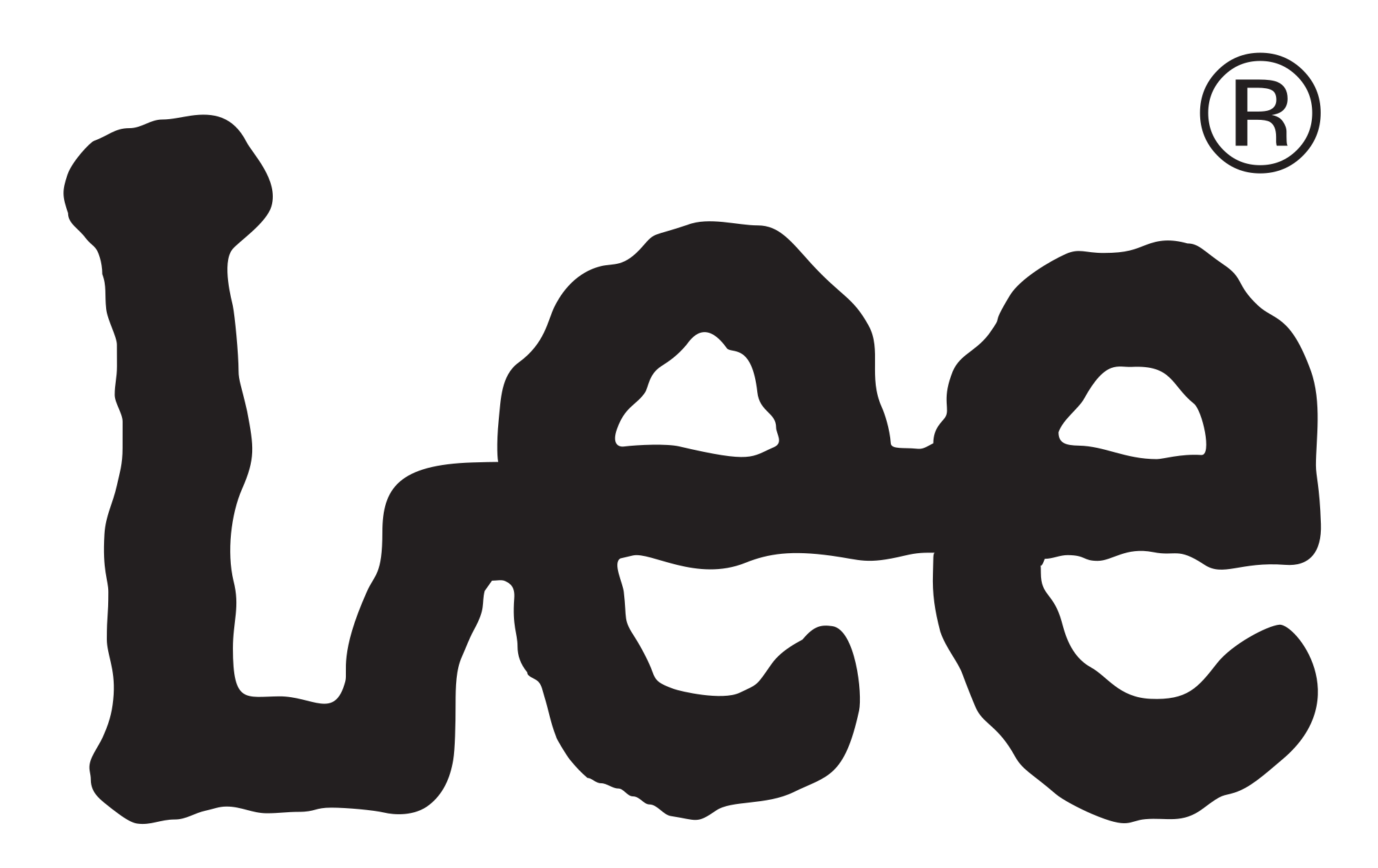
The Lee logo is only three letters long, and that has been enough for more than a century. The name came from Henry David Lee, a businessman in Salina, Kansas, who started in groceries and ended up making some of the toughest work clothes in America. The short, joined-up wordmark, the cowhide labels and the “Lazy S” stitching on the back pocket all grew out of that workwear past, and they are still on Lee jeans today.
What does the Lee logo look like, and what does it mean?
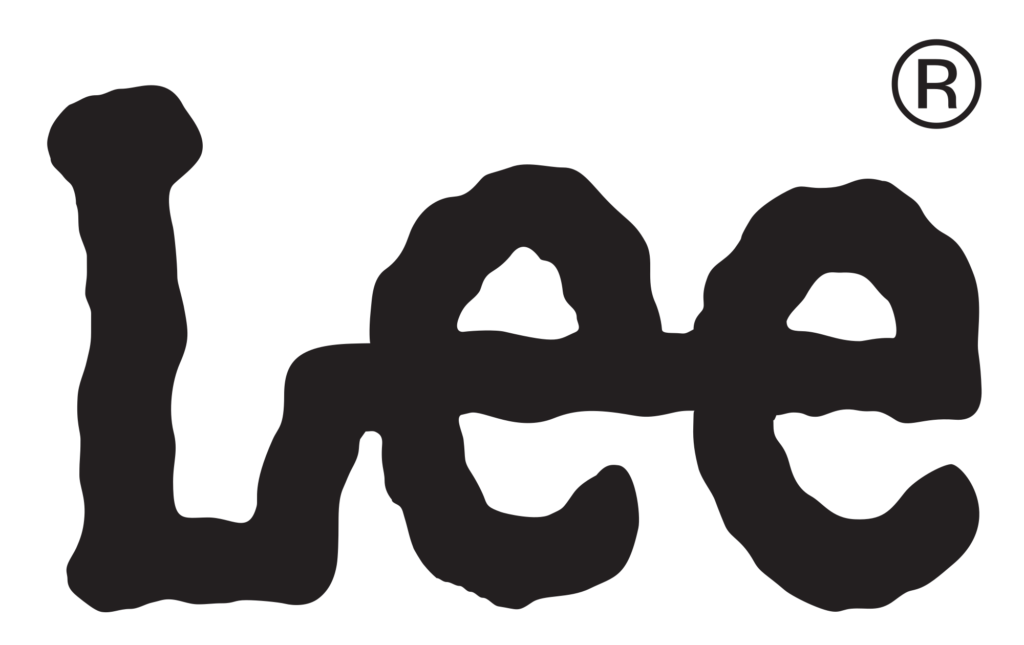
The current Lee logo is a heavy wordmark in which the L and the two e’s run together into one shape. The letters have soft, slightly uneven edges, closer to a brand burned into leather than to a typeface from a computer. In the United States it is often printed in a mustard or dark yellow tone on white, while labels and patches use brown, black or tan.
There is no hidden symbol in it. The meaning is the name itself: Lee is the founder’s surname, and the rough, branded look of the letters points back to the company’s ranch and workwear roots. Compared with the polished city logos of fashion houses, it is meant to look like it belongs on a pair of trousers that will be worn hard.
How has the Lee logo changed over the years?
Lee’s early marks came from the H.D. Lee Mercantile Company’s wholesale grocery business. Logo historians describe a round badge with the name in red script inside a wreath, followed by work-clothing labels with bold lettering on yellow, framed by lines such as “Union Made.”
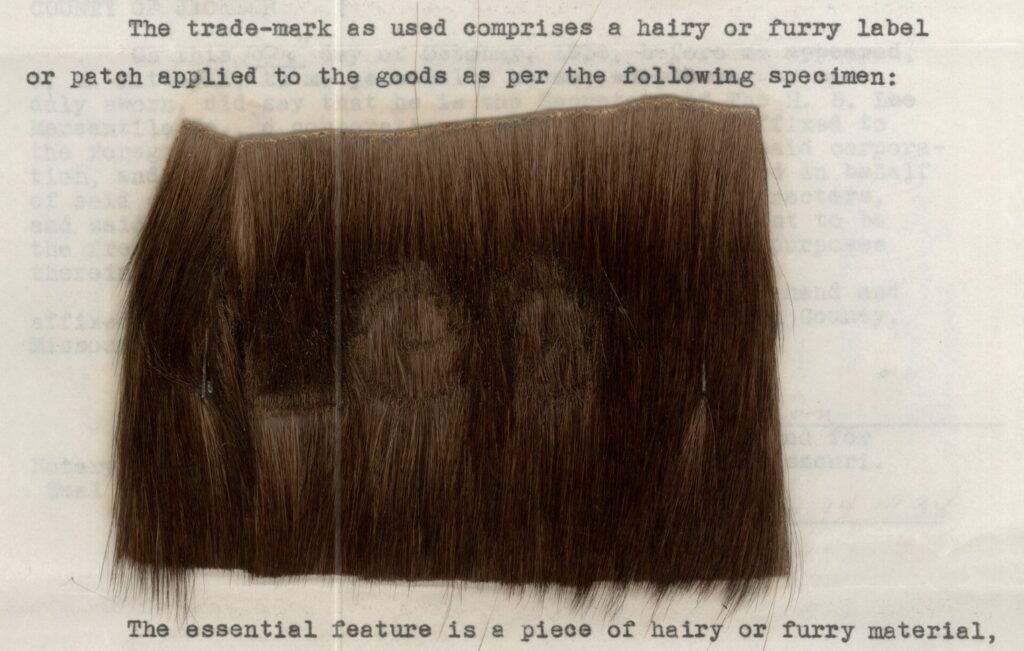
In 1936 Lee introduced its “Hair-On-Hide” label, a patch of cowhide with the hair still on it and the Lee name burned into the surface. The company registered the furry label as a trademark in Missouri that same year, and the original filing survives in the Missouri State Archives. Around ten years later Lee switched to the “twitch” label, a design based on the shape a hot brand leaves when it is pressed into a steer’s hide.
The joined wordmark that people know today took shape in the 1940s and was used on the leather patch of Lee jeans. Over the following decades it was redrawn a few times: cleaner and more tightly spaced in the 1960s and 1970s, softened in brown and white for American advertising in the 2000s, and refined again around 2016 with thinner, more careful lines while keeping the same connected letters.
What is the “Lazy S” on Lee jeans?
The Lazy S is the stitching on Lee’s back pockets: two curves that look like an S lying on its side. It became the official Lee back-pocket design in 1944, and like the double arch on Levi’s or the W on Wrangler, it lets someone recognise the brand from behind without seeing a label. The shape is often linked to the cattle brands of the American West, which suits a company that used branded cowhide for its labels.
Who founded Lee, and how did it start?
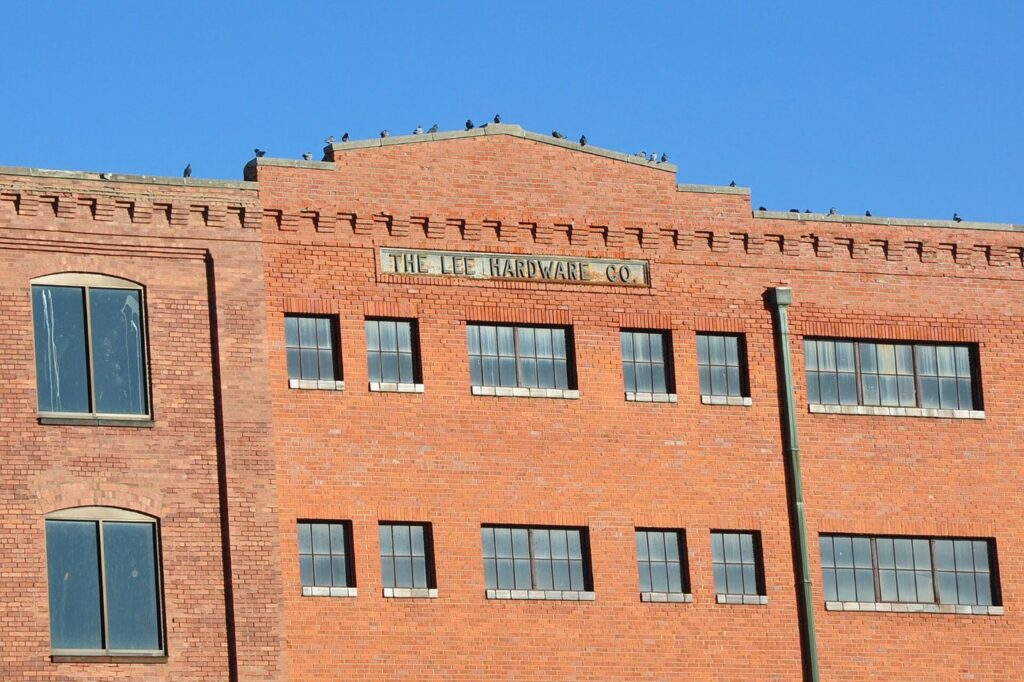
Henry David Lee set up the H.D. Lee Mercantile Company in Salina, Kansas, in 1889. At first it was a wholesale business selling groceries and other goods. The company moved into work clothes in the early 1910s, and in 1913 it launched the Union-All, a one-piece work suit for farmers, mechanics and railroad workers. During the First World War, the U.S. Army ordered Union-Alls as work uniforms, which spread the name across the country.
The 1920s brought the products that made Lee a denim name. The Buddy Lee doll, a small promotional figure dressed in Lee overalls, appeared in shop windows from the early 1920s and became one of the first well-known mascots in American advertising. In 1926 Lee released the 101 Cowboy Pant and the 101Z, among the first jeans with a zip fly. Henry David Lee died in 1928, but by the 1930s and 1940s the company had become one of the biggest makers of work clothes in the United States. James Dean wore Lee 101 Riders, and the jeans became part of the 1950s rebel look.
Who owns Lee jeans today?
VF Corporation bought Lee in 1969. In 2019 VF split off its jeans division, including Lee and Wrangler, into a new public company called Kontoor Brands, based in Greensboro, North Carolina. Lee’s own headquarters moved there from Merriam, Kansas, the same year.
In May 2026 Kontoor agreed to sell Lee to Authentic Brands Group, the owner of Reebok and Brooks Brothers, for $750 million upfront plus up to $250 million more tied to future results. The deal was expected to close in the second half of 2026. Under Authentic’s model, the brand would be licensed to partners rather than run as a single manufacturer. In Australia and New Zealand the Lee name has long been handled separately, by Pacific Brands.
Lee also runs Lee National Denim Day, started in 1996, which asks people to wear jeans to work in exchange for a donation to breast cancer research. The campaign has raised more than $75 million.
How does Lee compare with other denim and workwear logos?
Lee, Levi’s and Wrangler are often called America’s big three denim brands, and each built its identity on the back pocket. Levi’s went for a red housemark and a red Tab, Wrangler for a rope-like script, and Lee for a branded wordmark and the Lazy S. Workwear labels such as Carhartt and Dickies come from the same tradition of practical badges that had to survive washing and hard use. Brands that later moved into designer denim, like True Religion or Diesel, used louder graphics, but all of them borrow from the patch-and-stitch language that Lee helped set in the 1920s and 1930s.
Quick facts
| Founded | 1889, Salina, Kansas, as the H.D. Lee Mercantile Company |
| Founder | Henry David Lee |
| Headquarters | Greensboro, North Carolina (since 2019) |
| Logo | Joined-letter “Lee” wordmark, roots in the 1940s |
| Key labels | Hair-On-Hide cowhide label (1936), twitch label (1940s) |
| Back pocket | Lazy S stitching, official from 1944 |
| Famous products | Union-All (1913), 101 Cowboy Pant and 101Z zip fly (1926) |
| Owner | Kontoor Brands; sale to Authentic Brands Group agreed May 2026 |