Warner Bros Logo History: Meaning, Symbolism & Brand Heritage
Few visual marks in entertainment are as deeply rooted in pop culture as the Warner Bros shield. For over a century, the iconic “WB” emblem has opened films, introduced beloved characters, and anchored one of Hollywood’s most influential studios. Its evolution mirrors the growth of the company itself — from a family-run operation to a global media powerhouse.
Since 1923, Warner Bros has relied on a visual identity built around tradition, storytelling, and cinematic heritage. Even though the logo has gone through numerous refinements and stylistic experiments, the shield has remained the beating heart of the brand — a timeless shape instantly recognized across generations.
A Studio Built on Legacy and Reinvention
Warner Bros was founded by the four Warner brothers — Harry, Albert, Sam, and Jack — at a time when motion pictures were still finding their voice. From early black-and-white productions to the era of streaming, WB has continuously adapted its image, technology, and creative ambitions.
The company’s logo is a reflection of that journey. Each redesign captures a specific era, from the grandeur of Golden Age Hollywood to the sleek digital aesthetic of modern filmmaking. Few studios have managed to keep a symbol so consistent yet so adaptable.
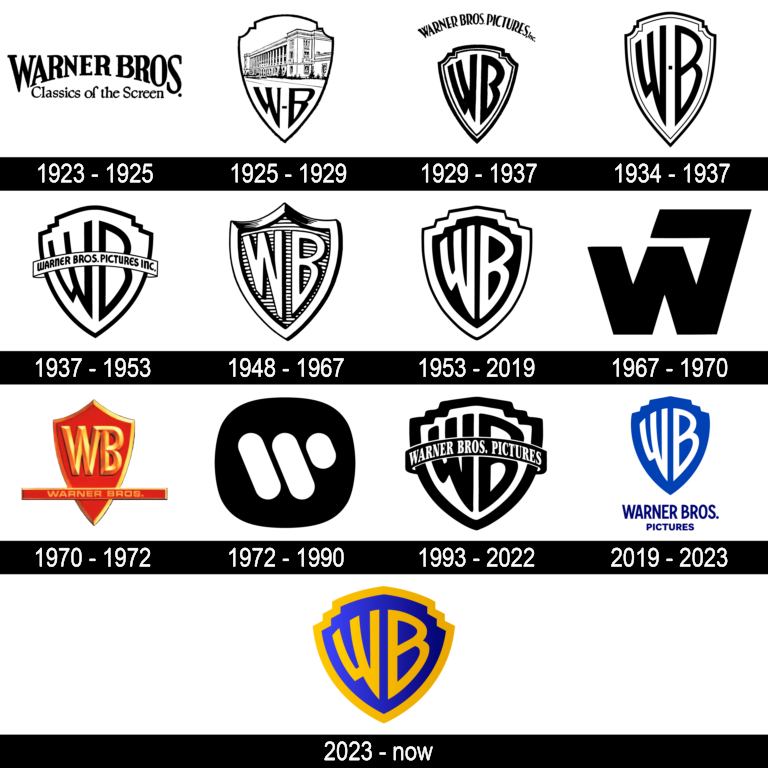
Warner Bros Logo History: From Classic Typography to the Iconic WB Shield
1923–1925: The Studio’s First Identity
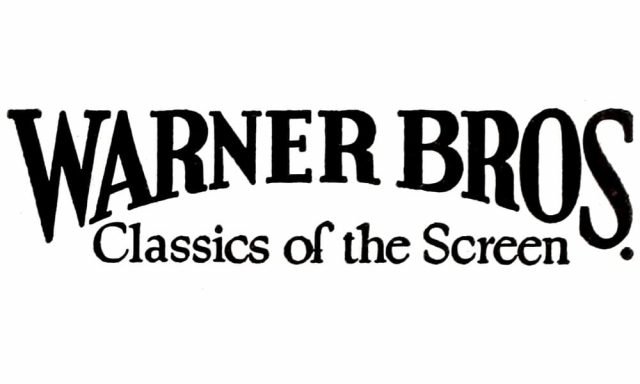
The earliest Warner Bros logo was simple and traditional — an arching wordmark set in a bold serif typeface, paired with the elegant cursive tagline “Classics of the Screen.” It had no shield, no monogram, just a classic typographic identity that aligned with the aesthetic of early cinema.
1925–1929: The Birth of the Shield
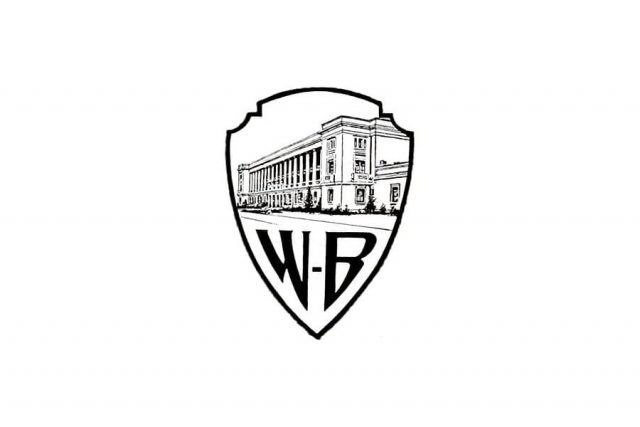
In 1925, Warner Bros introduced the very first version of the now-iconic crest. The shield featured a detailed illustration of the WB studio building at the top and a stylized “WB” monogram at the bottom. This was the foundation of the visual identity that would become synonymous with the brand.
1929–1937: A More Refined Monogram
By 1929, the illustration was removed, giving the monogram more breathing room. The letters “WB” became bolder, taller, and more confident. An arched “Warner Bros Pictures” inscription appeared above the shield, emphasizing Hollywood prestige.
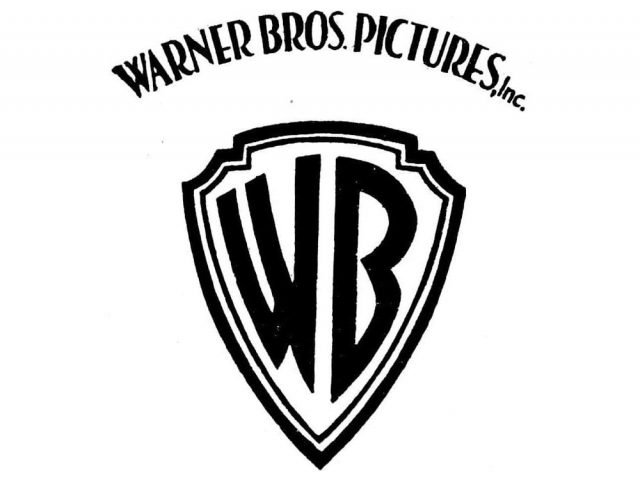
1934–1937: Cleaner Lines, No Taglines
A simplified version emerged in 1934 — thinner outlines, cleaner contours, no additional lettering. Although the earlier version was still used occasionally, this cleaner emblem gained traction across marketing materials and theatrical releases.
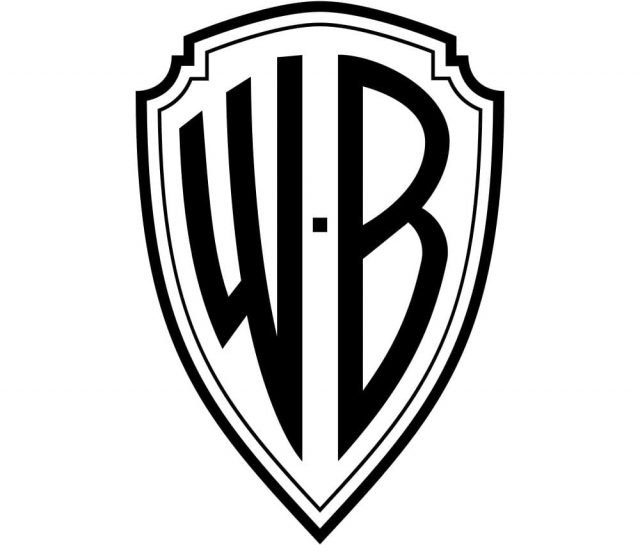
1937–1953: Introducing the Banner
In 1937, the shield adopted an arched banner cutting through the middle, carrying the studio name. It became one of the most recognizable versions of the era, balancing elegance with clearer branding.
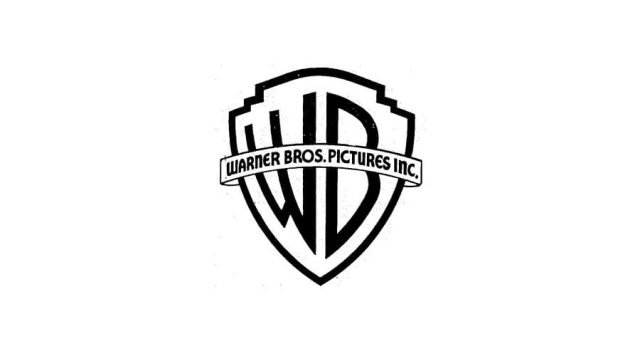
1948–1967: Horizontal Stripes and Greater Depth
Post-war WB introduced a version featuring fine horizontal stripes on the shield’s interior. This detail gave the mark visual depth, while the monogram and outline became thicker and more assertive. It reflected the studio’s growing influence in global cinema.
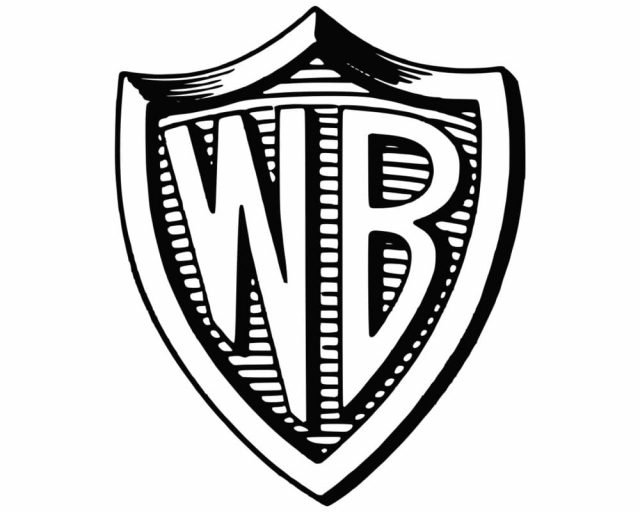
1953–2019: The Classic Black-and-White Crest
This is the version many still associate with the Golden Age of Hollywood. Introduced in 1953, the flat black shield with white lettering and a clean outline became the most enduring WB identity. It was elegant, bold, and universally legible.
1967–1970: The W7 Era
Following the Warner Bros–Seven Arts merger, the studio briefly used a radically different logo. The “W7” monogram, constructed of geometric shapes in bold black strokes, stepped away from tradition. It was modern, experimental, and completely unlike any other WB emblem.
1970–1972: Red and Gold Revival
By 1970, nostalgia brought the shield back — this time rendered in striking red and gold. A straight horizontal banner held the company name, merging heritage with a more regal palette.
1972–1990: The Saul Bass Minimalist Design
Legendary designer Saul Bass created a highly stylized emblem in 1972: a black rounded rectangle containing a white, three-line “W” with softened angles. Minimal, modern, and distinctive, this version was used for more than a decade and remains a fan-favorite among designers.
1993–2022: The Modernized Shield
The emblem saw a major update in 1993. The monogram was thickened, the shield widened, and the banner refined with a black-and-white palette. This version dominated the home video era and appeared across countless film openings.
2019–2023: A Fresh Blue Identity
In 2019, Warner Bros introduced a bright blue reinterpretation of the classic 1953 shield. The new look was lighter, more digital-friendly, and stripped of its outline. It reflected the studio’s shift toward streaming, new media, and global branding consistency.
2023–Today: A Prestige Gradient Revival
The latest redesign blends modernity with tradition. The shield now features a subtle blue gradient, while the monogram and border are rendered in gold. The banner has been removed entirely, allowing the initials to stand proudly at the center. Designed by the legendary studio Chermayeff, Geismar & Haviv, this version echoes the classic 1993 style while elevating it with premium, cinematic textures.
Meaning & Symbolism of the Warner Bros Logo
The WB shield represents stability, tradition, and cinematic heritage. Its shape resembles a coat of arms, symbolizing family roots and the legacy of the Warner brothers themselves. The monogram “WB” inside the shield is designed to project trust, reliability, and artistic authority — qualities associated with the studio since its earliest films.
The color variations over time reflect changing eras:
-
Black & white → classic Hollywood elegance
-
Blue → modernity, digital evolution
-
Gold → prestige and award-winning storytelling
Warner Bros Logo Heritage
Across 100 years of film history, the WB shield has become more than a logo — it is a cultural artifact. Each redesign honors the past while adopting contemporary aesthetics. The shape, the monogram, and the cinematic aura around the emblem have remained key elements that link every film, every era, and every innovation under one recognizable identity.
FAQ: Warner Bros Logo
Why is the Warner Bros logo a shield?
The shield represents heritage, tradition, and the family values of the company’s founders. It evokes the feeling of a coat of arms.
Who designed the newest Warner Bros logo?
The 2023 update was created by the design firm Chermayeff, Geismar & Haviv.
Why did Warner Bros use the W7 logo?
Between 1967 and 1970, WB merged with Seven Arts. The logo reflected the combined identity.
Why did the WB logo turn blue?
The 2019 redesign modernized the emblem for digital platforms and global branding consistency.
What is the most iconic WB logo?
Most audiences associate the 1953 black-and-white version with the “classic” Warner Bros era.