Detroit Lions Logo History: Meaning, Symbolism & Brand Heritage
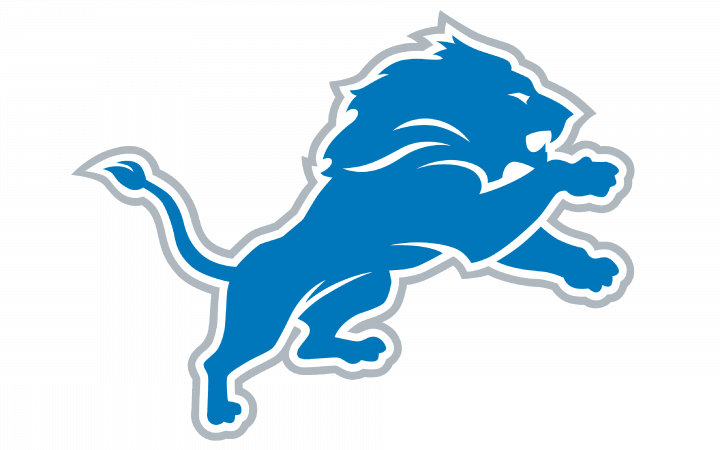
The Detroit Lions stand among the most historically layered franchises in professional American football. Established during the formative years of the NFL, the team’s journey reflects both the triumphs and long struggles of a club deeply intertwined with the identity of its city. While championships and playoff appearances define records, visual identity defines legacy. Few NFL teams demonstrate this more clearly than the Lions, whose logo history mirrors decades of competitive evolution, cultural shifts, and branding maturity.
Much like the enduring consistency seen in NFL logo history case studies and the restrained evolution explored in Chicago Bears logo heritage, the Detroit Lions visual identity has remained remarkably focused on a single symbol. The lion, representing strength, motion, and resilience, has anchored the franchise since its relocation to Detroit in the 1930s. As part of the broader sports logo history archive, the Lions offer a rare example of long-term symbolic discipline within professional football branding.
Meaning and History: The Origin of the Detroit Lions Identity
The franchise originated in 1928 as the Portsmouth Spartans, joining the NFL officially in 1930. Despite competitive success in its early years, financial difficulties forced the team’s sale and relocation to Detroit in 1934. The name “Lions” was selected deliberately, aligning the team with the Detroit Tigers baseball club while projecting dominance, courage, and pride.
From the moment the name changed, the lion became inseparable from the franchise’s identity. The logo meaning was never abstract or ambiguous. It was designed to communicate power, aggression, and forward momentum, traits that aligned with both football culture and Detroit’s industrial character. As the team matured, the logo heritage evolved from illustrative realism to refined symbolism, reflecting broader changes in sports branding and graphic design.
Detroit Lions Logo History Timeline
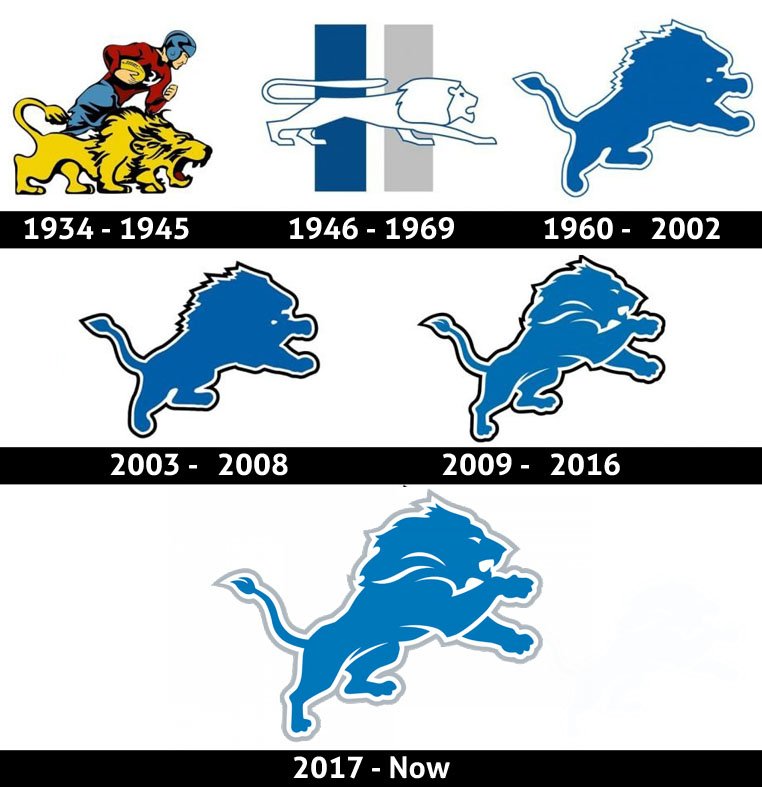
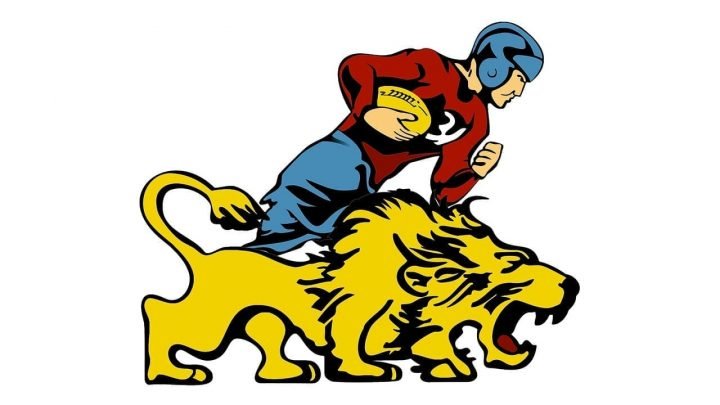
1934–1945: Illustrative Beginnings and Narrative Identity
The first Detroit Lions logo introduced a detailed illustration featuring a roaring lion alongside a football player. Rendered in warm orange and blue tones, the emblem functioned more as a narrative image than a modern logo. This early design emphasized storytelling and identity establishment rather than scalability or reproduction, reflecting the visual norms of early professional sports branding.
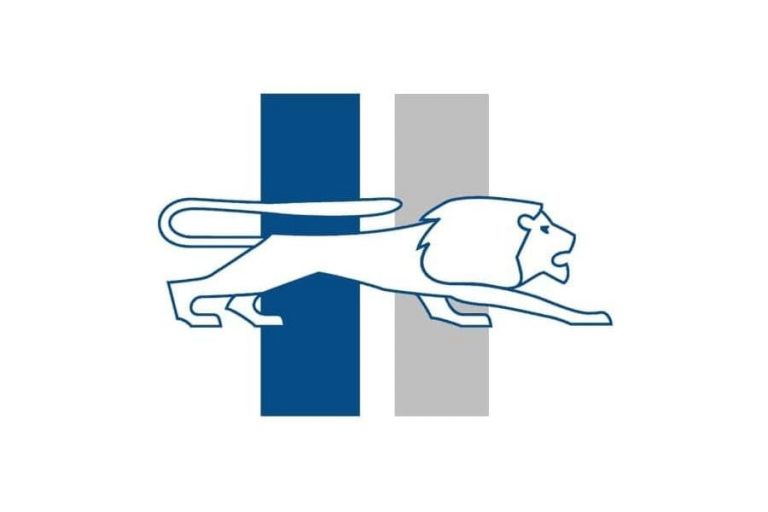
1946–1969: Structured Modernization and Symbol Simplification
Following World War II, the Lions adopted a cleaner, more structured emblem. Vertical stripes formed the background while a white lion silhouette emerged as the focal point. This redesign marked a shift toward abstraction and consistency, aligning with postwar design principles that favored clarity and reproducibility across merchandise and print.
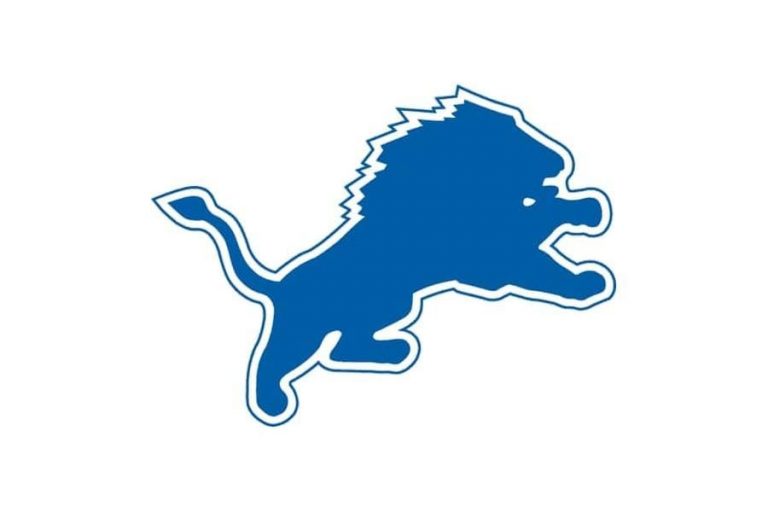
1969–2002: The Leaping Lion Becomes the Core Symbol
The removal of background elements allowed the lion itself to dominate the logo. Rendered in solid blue and outlined for contrast, the leaping pose introduced movement and aggression. This version became the longest-running logo in franchise history, establishing the foundation for all future refinements and solidifying the lion as a timeless brand asset.
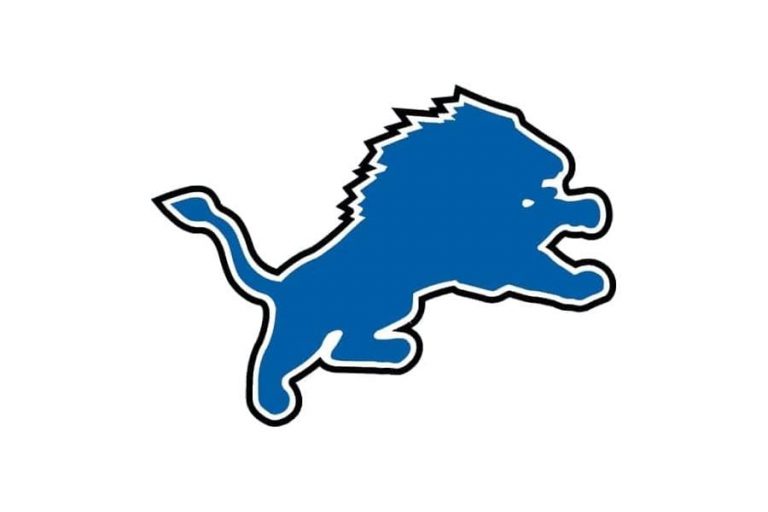
2003–2008: Increased Contrast and Aggressive Refinement
Minor but meaningful changes were introduced in 2003. Thicker outlines and darker blue tones gave the logo a more intimidating presence. These refinements reflected broader NFL branding trends of the early 2000s, where teams sought sharper, more forceful visual identities.
2009–2016: Detail Enhancement and Dimensional Depth
In 2009, the lion silhouette gained internal line work and white accents, creating a sense of musculature and motion. This version emphasized realism without sacrificing recognizability, balancing modern aesthetics with established brand heritage.
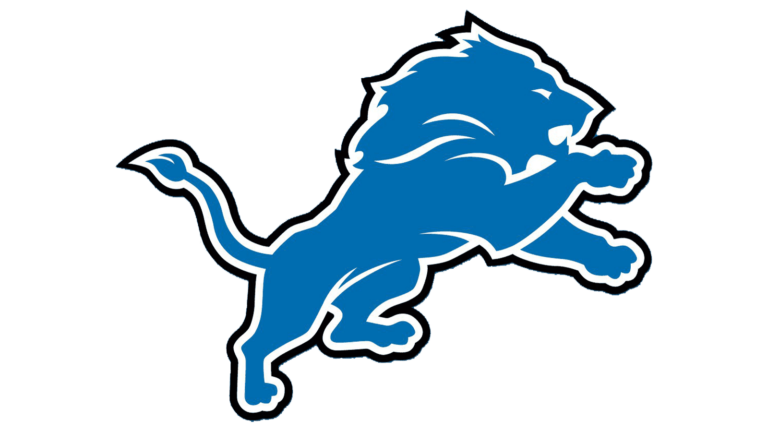
2017–Present: Polished Minimalism and Professional Elegance
The current logo replaced the heavy black outline with a refined silver-gray contour. This subtle change elevated the emblem’s sophistication while preserving its iconic form. The result is a logo that functions equally well on helmets, uniforms, digital platforms, and merchandise, reinforcing the Lions’ modern professional image.
Logo Symbolism: Strength, Motion, and Identity
The Detroit Lions logo symbolism is rooted in controlled aggression and forward momentum. The leaping posture communicates attack rather than defense, while the streamlined silhouette avoids unnecessary detail. Unlike mascots that rely on facial expressions or exaggerated features, the Lions’ logo maintains a disciplined visual language focused on form and movement.
Color plays a central symbolic role. Honolulu blue conveys loyalty, confidence, and tradition, while silver introduces balance and refinement. Together, these elements create a logo description that feels both powerful and composed, reinforcing long-term brand recognition.
Detroit Lions Logo Heritage and Cultural Impact
Over decades of competition, the Detroit Lions logo has become a recognizable symbol well beyond the football field. Its resemblance to luxury automotive emblems is often noted, a fitting coincidence given Detroit’s status as the historic center of American automobile manufacturing. This association enhances the logo heritage, positioning the emblem as both athletic and industrially elegant.
Within American sports logo heritage, the Lions represent a case where restraint has proven more effective than reinvention. Rather than chasing trends, the franchise refined a single visual concept over generations, allowing emotional familiarity to build naturally among fans.
How the Detroit Lions Logo Built a Lasting Brand Heritage
The Detroit Lions logo history demonstrates how consistency, symbolism, and thoughtful evolution can sustain a brand through both success and adversity. From its illustrative origins to its polished modern form, the emblem reflects the franchise’s resilience and commitment to identity. In an era of frequent rebrands, the Lions stand as a reminder that true logo heritage is built through patience, discipline, and respect for origin.
FAQ: Detroit Lions Logo Meaning and History
What does the Detroit Lions logo represent?
The logo represents strength, motion, and competitive resilience, expressed through the leaping lion silhouette.
When was the Detroit Lions logo first introduced?
The first logo appeared in the mid-1930s following the team’s relocation from Portsmouth to Detroit.
Why has the Lions logo changed so little over time?
The core symbolism proved effective early on, allowing the team to refine rather than redesign its identity.
What colors define the Detroit Lions logo?
Honolulu blue and silver form the foundation, symbolizing loyalty, professionalism, and tradition.