MAC Cosmetics Logo History: Meaning, Symbolism & Brand Heritage
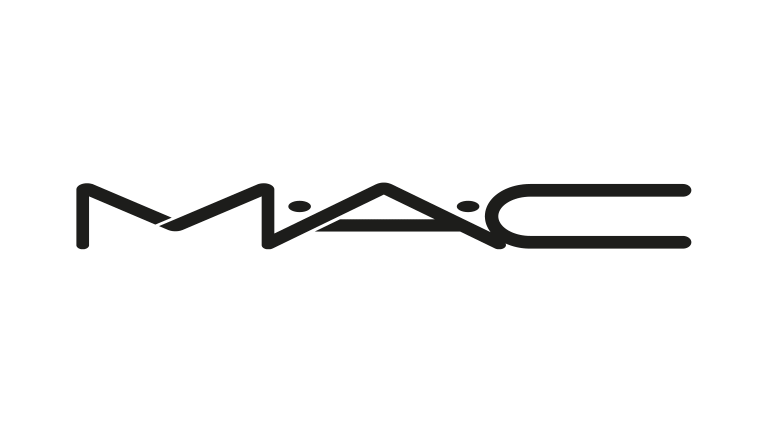
In the global beauty industry, few brands have managed to balance artistic credibility with commercial dominance as effectively as MAC Cosmetics. Known for its strong ties to professional makeup artistry and fashion culture, MAC built its reputation on boldness, individuality, and technical excellence. This philosophy is clearly reflected in the MAC Cosmetics logo history, where minimalism and confidence replace ornamentation and excess.
Unlike many cosmetic brands that rely on romantic symbolism or decorative scripts, MAC chose a graphic identity that feels modern, assertive, and unapologetically direct. The logo meaning aligns closely with the brand’s origins in professional makeup artistry, where performance, precision, and identity matter more than trend-driven aesthetics. Within the broader context of beauty brand logo history, MAC stands apart as a brand whose visual language speaks to artists first and consumers second.
Meaning and History: The Origin of the MAC Cosmetics Identity
MAC Cosmetics was founded in Canada in 1984 by makeup artist Frank Toskan and salon owner Frank Angelo. The brand name is an abbreviation of “Make-up Art Cosmetics,” a functional description that immediately signals professional intent. This origin explains why the logo meaning has always been grounded in clarity and purpose rather than storytelling symbolism.
From the beginning, MAC products were designed for photographers, models, and makeup artists who needed reliable performance under studio lights and on runways. This professional focus shaped the brand’s visual identity. The logo was conceived not as an emotional emblem, but as a strong typographic statement that could sit confidently on backstage kits, fashion shows, and editorial pages.
As MAC expanded globally and was later acquired by Estée Lauder Companies, the brand retained its original logo. This decision reinforced MAC logo heritage as a symbol of authenticity and credibility within the makeup artistry community, even as the brand reached mass audiences.
MAC Cosmetics Logo History Timeline
1984–Today: The Power of Typographic Consistency.
The MAC Cosmetics logo has remained remarkably stable since the brand’s early years. From its introduction, the identity has centered on a bold, uppercase wordmark rendered in a modern sans-serif typeface. The letters are wide, stretched horizontally, and grounded along a shared baseline, creating a sense of balance and authority.
Two subtle design details define the logo’s uniqueness. The letterforms of “M” and “A” are slightly open at specific junctions, lightening the overall structure without compromising strength. Additionally, two small circular dots are positioned on either side of the letter “A.” These dots visually counterbalance the negative space in the upper portion of the wordmark and add a distinctive, almost futuristic signature to the logo.
This typographic consistency has allowed MAC to maintain instant recognition across decades, collections, and collaborations without the need for redesign.
Logo Symbolism: Authority, Artistry, and Modern Identity
MAC logo symbolism is deliberately restrained. There are no figurative elements, no beauty icons, and no references to faces, flowers, or femininity in the traditional sense. Instead, the logo communicates authority and self-expression through form alone.
The stretched letterforms suggest confidence and presence, while the clean geometry reinforces professionalism. The two dots flanking the “A” introduce a subtle artistic gesture, hinting at creativity and experimentation without undermining the logo’s seriousness. This balance reflects MAC’s dual identity as both an artist-driven brand and a global commercial powerhouse.
Typography and Color as Brand Signals
Typography is the foundation of the MAC logo description. The custom sans-serif typeface features bold strokes with rounded terminals, combining strength with refinement. Its closest stylistic relatives can be found in expanded geometric fonts, though MAC’s version is uniquely modified to achieve optimal visual balance and memorability.
Color plays an equally important role. The MAC Cosmetics logo relies almost exclusively on black and white. In some packaging applications, white lettering appears in metallic silver, depending on the collection. This minimal palette reinforces ideas of professionalism, neutrality, and luxury, allowing product colors and textures to take center stage.
MAC Logo Heritage and Enduring Cultural Relevance
The MAC Cosmetics logo history demonstrates how a disciplined visual identity can become a cultural constant. By resisting trends and decorative excess, MAC created a logo that feels as relevant today as it did at launch. Its logo heritage is rooted in authenticity, artistic credibility, and trust—qualities that resonate across generations of makeup users and professionals alike.
Within the larger narrative of cosmetics logo history, MAC stands as a case study in how typography-driven branding can communicate power, inclusivity, and individuality without compromise. Readers interested in comparable brand philosophies may also explore Sephora logo history and NARS logo heritage, where minimalism similarly reinforces authority and modern appeal.
FAQ: MAC Cosmetics Logo Meaning and History
What does the MAC Cosmetics logo represent?
The MAC logo represents professionalism, artistic authority, and modern identity through bold, minimalist typography.
Why is the MAC logo written in all capital letters?
MAC is an abbreviation of Make-up Art Cosmetics, and uppercase lettering reinforces strength, clarity, and professional credibility.
Has the MAC Cosmetics logo changed over time?
The logo has remained largely unchanged since its introduction, with consistency serving as a key part of the brand’s identity.
Why does the MAC logo include two dots around the letter “A”?
The dots balance the composition visually and add a distinctive design element that enhances memorability.