Royal Canin Logo History: It Started in a Vet’s Garage Oven
Royal Canin started as one vet’s attempt to fix his own patients’ skin and coat problems, mixed up in a garage with an oven rather than any kind of commercial kitchen. Jean Cathary, a veterinary surgeon practicing in France’s Gard region, noticed a recurring pattern of skin and coat issues among the dogs he treated and became convinced the cause was diet rather than anything he could fix with medicine alone.
How did a vet’s garage experiment become a pet food company?
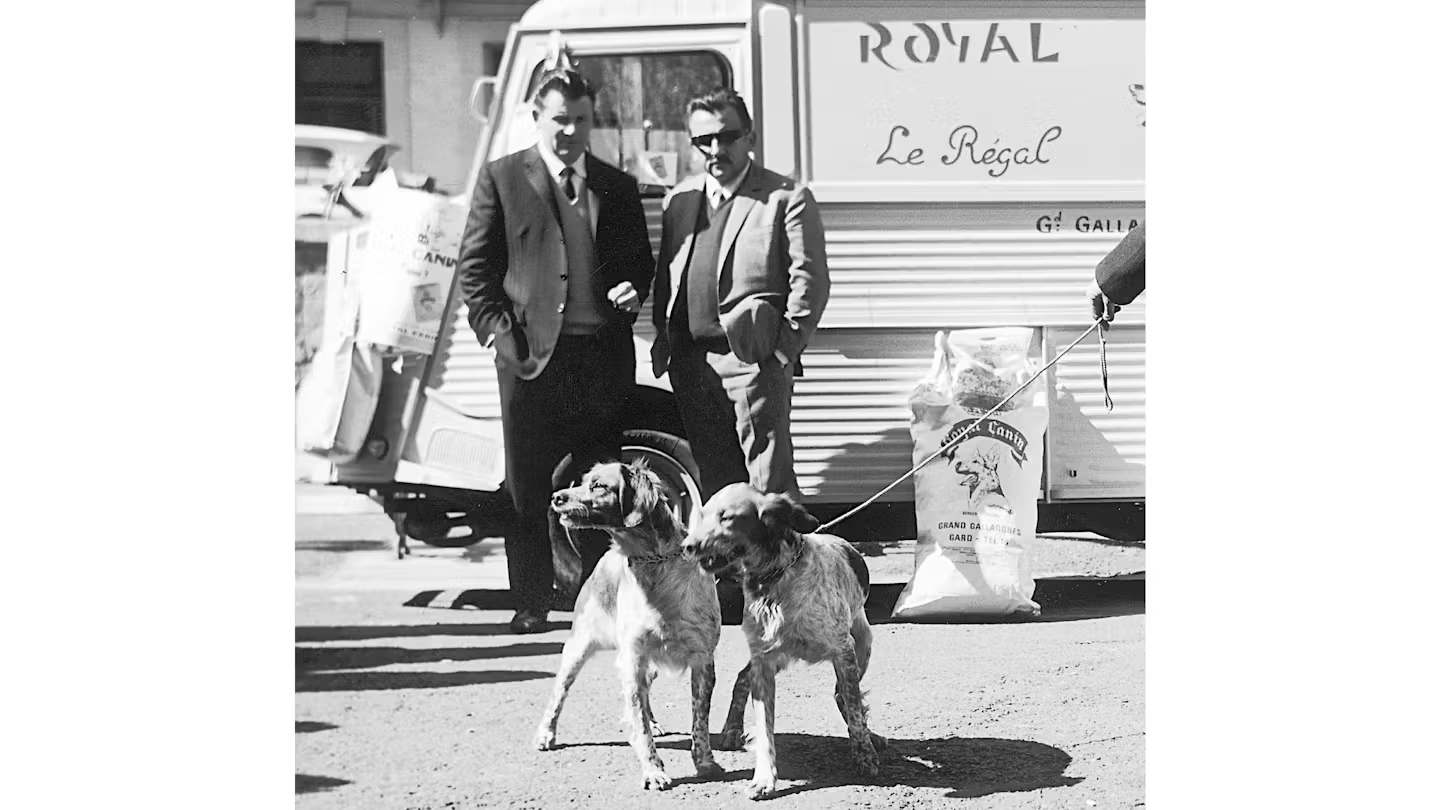
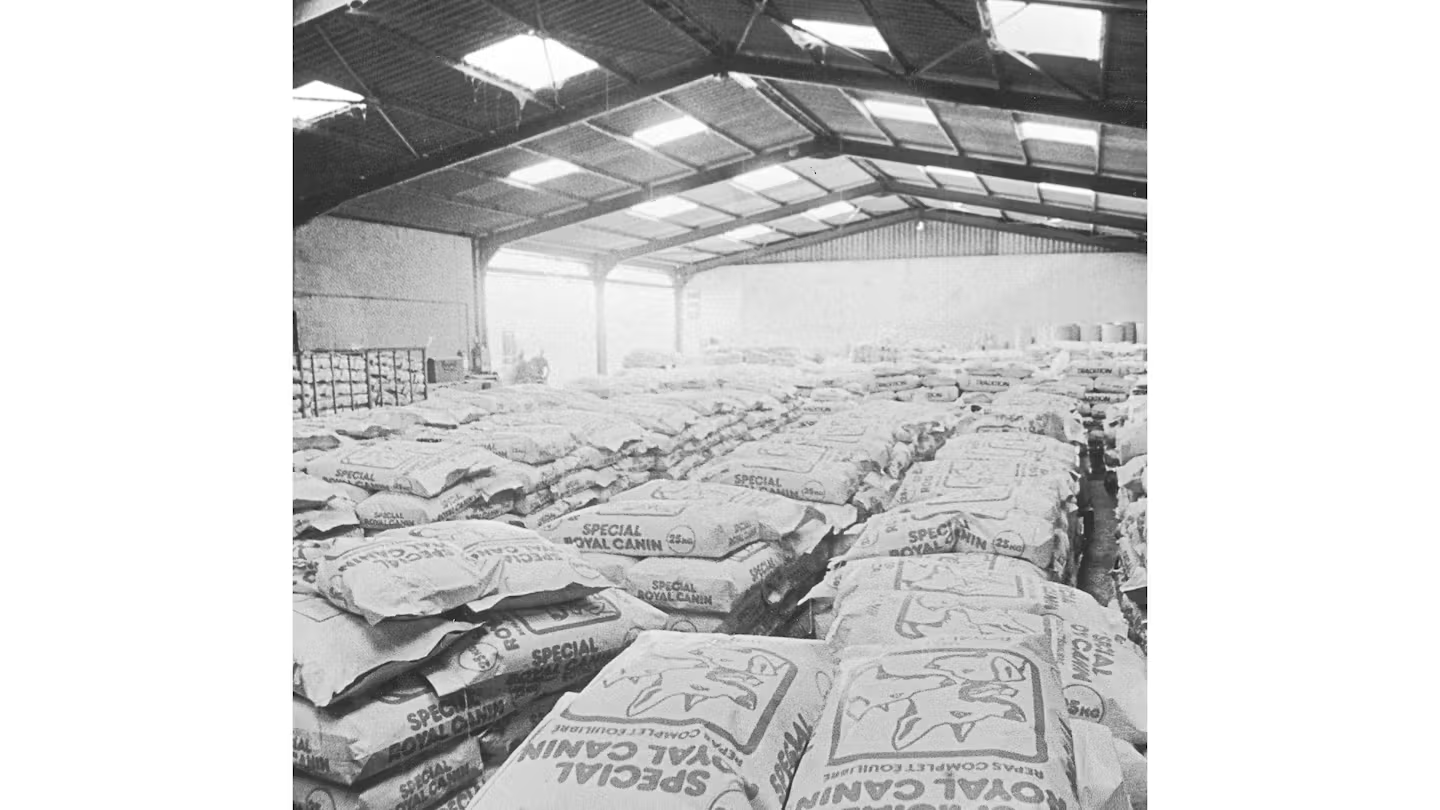
Cathary developed a cereal-based dog food recipe and prepared early batches in his garage oven. When the formula resolved the skin and coat problems in his patients’ dogs, he registered the food under the name “Royal Canin” in 1968 and closed his veterinary practice entirely to focus on manufacturing and distributing it. After importing an extruder from the United States, Royal Canin became the first dry pet food maker in France and the first in Europe to use that extrusion technology, initially marketing to breeders and German Shepherd clubs through television advertising. By 1970, the company had moved to a larger factory in Aimargues, employing 40 people and producing 5,500 tons of food a year.
Who has owned Royal Canin since its founder sold it?
Cathary sold Royal Canin to the Guyomarc’h Group in 1972, and under that ownership production quadrupled to 200,000 tons within a decade as the company expanded across Europe and invested heavily in research. Paribas Affaires Industrielles bought the company in 1990 and took it public on the Paris stock exchange in 1997, before selling its stake to Mars, Incorporated in July 2002 for more than 1.5 billion euros. As a condition of approving that deal, European regulators required Royal Canin to divest certain assets to the Spanish competitor Agrolimen. Royal Canin was delisted from the stock exchange once the Mars acquisition closed and has remained part of Mars ever since.
Where does the crown in the Royal Canin logo come from?
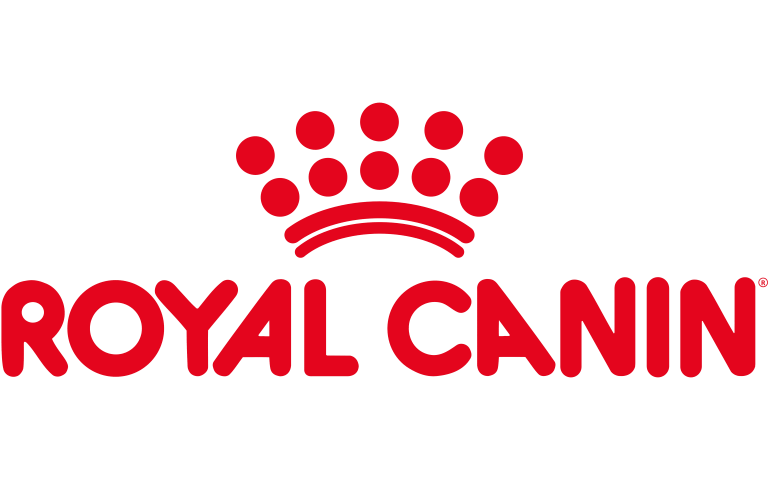
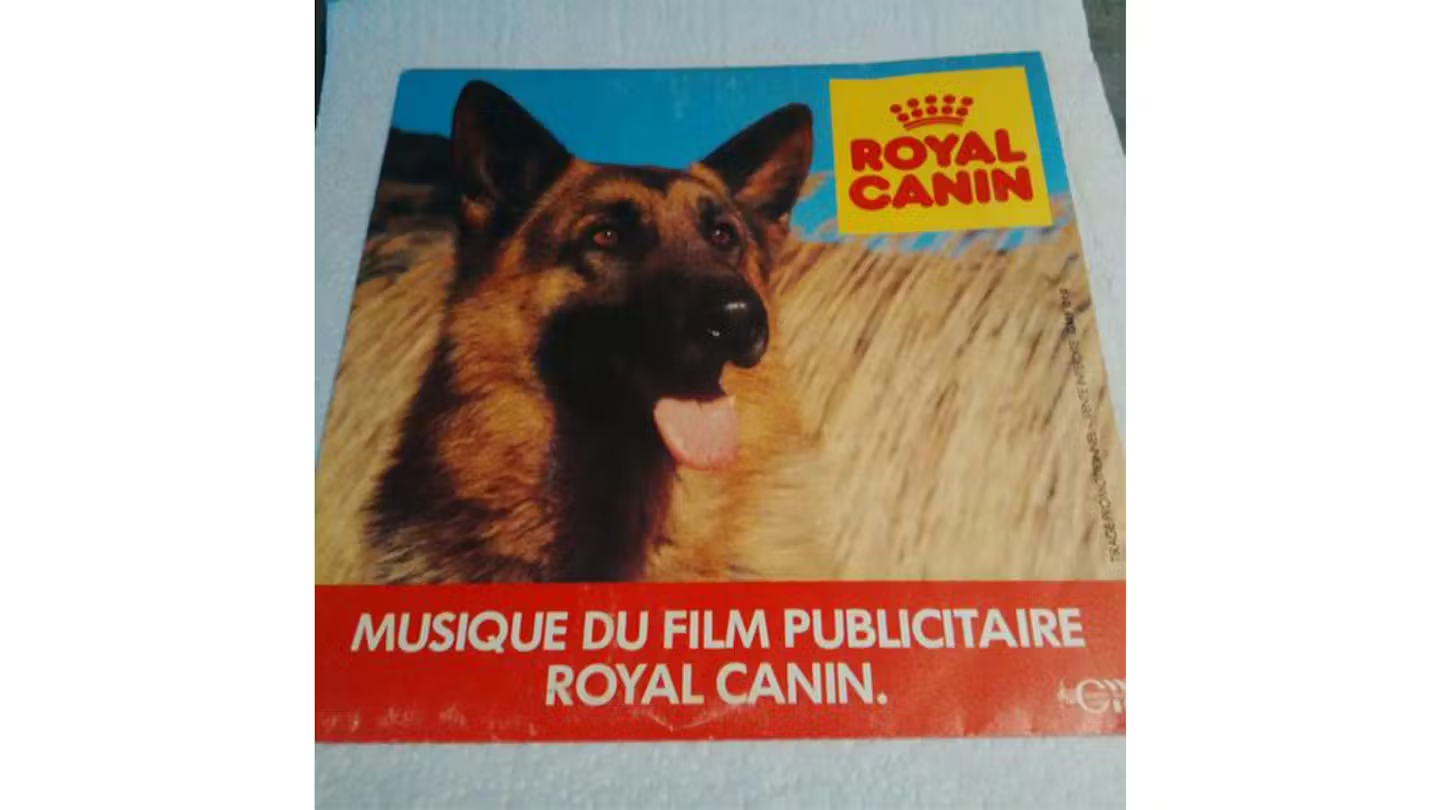
The current crowned wordmark, introduced in the 1980s, replaced an earlier banner-style emblem that leaned on Old English lettering and heraldic imagery evoking a medieval coat of arms, fitting for a brand named “Royal.” The crown kept the same arched shape as that earlier banner but rendered it from rounded dots rather than literal heraldry, softening a symbol of authority into something closer to the brand’s veterinary, care-focused positioning. Royal Canin hasn’t published a detailed account of what the dotted construction specifically represents beyond that general shift, so reading it as a deliberate “care vs. authority” balance is a reasonable interpretation rather than confirmed brand messaging.
Quick facts
| Founded | 1968, France, by veterinarian Jean Cathary |
| First product developed | A cereal-based dog food, mixed in Cathary’s garage oven |
| Cathary sold the company | 1972, to the Guyomarc’h Group |
| Bought by Paribas Affaires Industrielles | 1990; listed on the Paris stock exchange in 1997 |
| Acquired by Mars, Incorporated | July 2002, for over €1.5 billion |
| Crowned wordmark introduced | 1980s |
Related reading: Purina logo history, Pedigree logo history, and Whiskas logo history.
Further reading
FAQ: Royal Canin Logo and History
Why did a veterinarian start a pet food company?
Jean Cathary noticed recurring skin and coat problems in the dogs he treated and concluded diet was the cause. He developed a cereal-based recipe in his garage oven, and it worked well enough that he closed his veterinary practice to produce and sell it as Royal Canin, starting in 1968.
Who owns Royal Canin now?
Mars, Incorporated, which bought the company from Paribas Affaires Industrielles in July 2002 for over €1.5 billion.
What does the crown in the Royal Canin logo mean?
It replaced an earlier heraldic banner design in the 1980s, keeping the same arched shape but built from rounded dots instead of literal heraldry, a softer take on the “royal” theme.
Was Royal Canin always this big?
No. It started as a 40-person operation in Aimargues, France, producing 5,500 tons of food a year in 1970, before later owners expanded production to the hundreds of thousands of tons.