Gucci Logo Heritage: Meaning, History, and the Story Behind an Icon of Luxury
Few fashion houses command the global imagination quite like Gucci. Founded in 1921 by Guccio Gucci, the Italian label has grown from a small Florentine leather goods shop into a world-renowned symbol of luxury, craftsmanship, and contemporary style. Today, Gucci defines the intersection of heritage and modernity—from runway collections and fine jewelry to perfume, footwear, and leather goods loved by celebrities, collectors, and trend-setters worldwide.
At the heart of this empire lies one of the most recognizable symbols in fashion history: the interlocking Double G. Instantly identifiable and endlessly imitated, the Gucci logo stands as a powerful representation of legacy and artistry. But the visual identity of the house didn’t arrive fully formed—it evolved through decades of refinement. This is the complete story of Gucci’s logo history and what makes its emblem such an enduring mark of sophistication.
What Does the Gucci Logo Mean?
While minimal in composition, the Gucci logo carries layers of symbolism.
-
The two interlocking Gs represent Guccio Gucci, the founder.
-
Over time, the emblem has come to symbolize luxury, craftsmanship, prestige, and Italian heritage.
-
In fashion culture, the Double G is synonymous with authenticity, status, and artistic identity.
Even when used without the word “Gucci,” the emblem alone communicates refinement and sophistication—a testament to the logo’s lasting power.
The History of Gucci: From Hotel Porter to Global Icon
Guccio Gucci’s path to luxury began far from the Florentine workshops. Born in 1881, he later worked as a porter at London’s Savoy Hotel, where he observed wealthy travelers and their beautifully crafted luggage. Inspired by their style and the world of refined travel, he returned to Italy determined to create leather goods of similar quality.
In 1921, he opened his first shop in Florence. With meticulous craftsmanship and the help of local artisans, his pieces quickly gained attention. As Hollywood stars embraced the brand—Elizabeth Taylor, Grace Kelly, Jackie Kennedy—Gucci became synonymous with jet-set glamour.
From these roots grew a fashion empire whose visual identity has become central to its global presence.
Gucci Logo Evolution: A Century of Style
1921: The First Wordmark
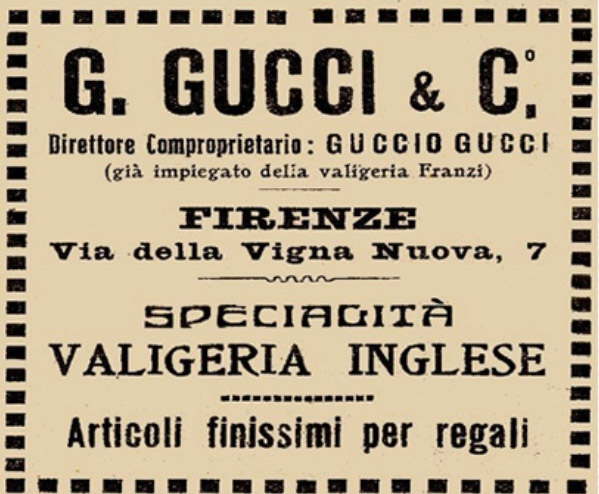
The earliest Gucci logo was little more than the founder’s name in plain lettering—functional but stylistically forgettable. As the brand grew, a more distinctive identity was needed.
1923: A Handwritten Touch
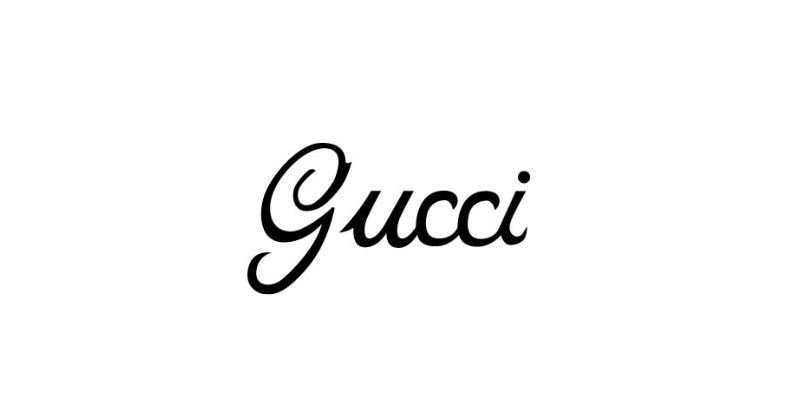
In 1923, the logo evolved into a handwritten script, capturing the elegance and artisanal soul of the young house. It aligned better with Gucci’s rising status in fashion.
1929: The First Capital “G”
Gucci refined the wordmark by emphasizing the initial “G,” simplifying lines and giving the logo a more refined direction.
1934: The Hotel Porter Emblem
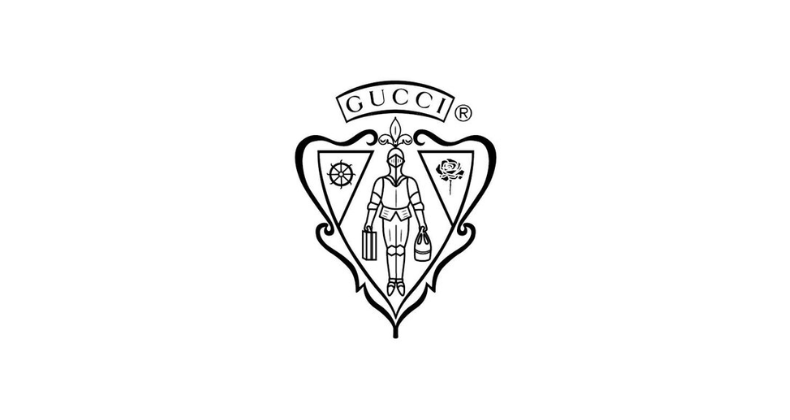
One of the most unusual designs in the brand’s logo heritage, the 1934 emblem depicted a porter carrying two suitcases—a nod to Guccio’s years at the Savoy Hotel.
Although highly detailed, it proved too complex for widespread use.
1958: Wordmark Refinement
Gucci enlarged its wordmark, introduced more distinctive lettering, and pushed the porter illustration into the background. The house was shifting toward a cleaner, more modern aesthetic.
1960s: Birth of the Interlocking Gs
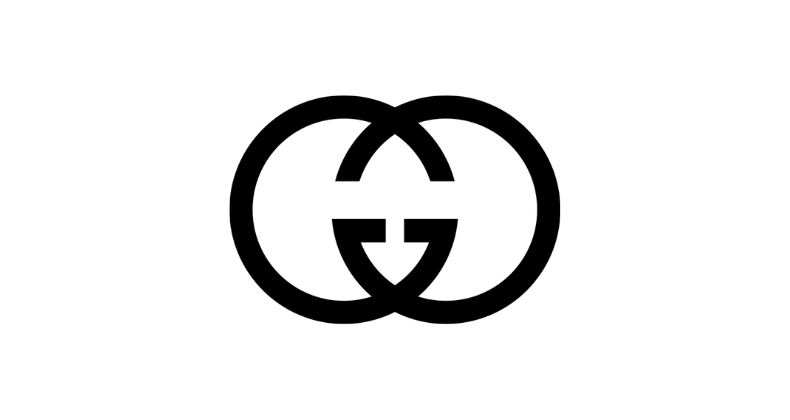
This decade marked the defining moment for Gucci’s visual identity. Aldo Gucci, one of Guccio’s sons, designed the interlocking G monogram, merging legacy and modernity.
It instantly became iconic and began appearing on handbags, shoes, belts, scarves, and jewelry.
This is the era in which Gucci’s logo became globally recognized.
1971: Serif Wordmark and Classic Codes
Gucci introduced a classic serif wordmark and kept the historical knight insignia for select uses. This blended tradition with contemporary Italian luxury.
1992: Combining Monogram + Wordmark
Gucci aligned its identity for a global audience by pairing the Double G monogram with the brand name. This dual-logo system strengthened recognition worldwide.
1998: Tom Ford Modernizes Gucci
Tom Ford’s Impact on Gucci’s Iconic Logo
Creative director Tom Ford gave the wordmark a sleek, modern refinement, spacing out the letters for an elevated, minimal look.
During Ford’s transformation of the brand, Gucci sales skyrocketed, and its logo gained new cultural relevance.
2019–Today: Overlapping Gs
A contemporary twist on the monogram was introduced—subtle, stylish, and respectful of Gucci’s long legacy. This version reflects the brand’s evolution under modern artistic directors.
Design Elements of the Gucci Logo
Even as Gucci reinvented itself over the decades, the foundation of its design identity remained remarkably consistent.
Gucci Logo and Italian Expressive Luxury
Gucci’s iconic double-G logo reflects Italy’s expressive approach to fashion and branding. This bold visual philosophy is part of the international luxury landscape explored in Luxury Fashion Logos Explained: Brand Origins and Meaning.
1. Font
Gucci’s wordmark features a custom serif typeface—sleek, balanced, and instantly recognizable.
It echoes classic Roman type but carries unique refinements exclusive to the brand.
Comparable fonts:
-
Golden Book Bold
-
Granjon Roman
-
Mynaruse Flare Medium
The contrast between the serif wordmark and the circular shapes of the Double G creates visual sophistication.
2. Color
While the logo commonly appears in black and white or gold, Gucci is also known for its iconic:
-
red and green stripe pattern,
-
and tonal Double G motifs on accessories.
The palette symbolizes:
-
luxury
-
passion
-
wealth
-
growth
…and has become integral to Gucci’s brand DNA.
3. Shape
The Double G emblem resembles:
– interlocking rings
– chain links
– jewelry motifs
Its geometric minimalism makes it timeless and flexible across products—from belts and handbags to fine jewelry.
Top 3 Brand Lessons from Gucci’s Logo
1. Simplicity Creates Longevity
The Double G works because it is clean, versatile, and easy to remember.
2. Design Choices Reflect Identity
Gucci’s typography, colors, and monogram all communicate elegance and Italian craftsmanship.
3. Consistency Builds Power
Across a century, Gucci has kept its visual identity stable—turning its logo into a global cultural symbol.
10 Interesting Facts About Gucci
1. Gucci’s “Genius Jeans” once held the Guinness World Record for most expensive jeans.
2. Designers like Alexander McQueen and Stella McCartney have worked for Gucci.
3. Elizabeth Taylor famously owned the Gucci Hobo Bag.
4. The Bamboo Shopper was created when post-war leather shortages forced artisans to innovate.
5. During the Mussolini era, Gucci relied heavily on silk due to strict leather rationing.
6. Tom Ford helped rescue the brand from near bankruptcy in the 1980s.
7. Under Ford’s leadership, sales increased 90% in five years.
8. Alessandro Michele revived Gucci’s bee motif in 2015.
9. In 2017, Gucci became the first brand to host a runway show at Westminster Abbey.
10. Sammy Davis Jr. once tried to buy a leather sofa directly from the Gucci boutique in Beverly Hills.
Conclusion
The Gucci logo is more than a monogram—it is a cultural statement and a testament to nearly a century of craftsmanship, elegance, innovation, and Italian heritage. From handwritten scripts to the iconic Double Gs, the Gucci emblem has grown into one of the most recognizable symbols in fashion logo history.
Today, it represents not only a brand but a lifestyle: glamorous, confident, expressive, and forever rooted in its luxurious past.
FAQ
Why does Gucci have two logos?
Because the house uses both the modern wordmark and the historic Double G monogram—each serving a different branding purpose.
What is Gucci’s real logo?
The true Gucci logo is the interlocking Double G, representing Guccio Gucci’s initials.
What does the bee symbol mean in Gucci designs?
Inspired by ancient royal iconography, the bee reflects heritage, craftsmanship, and rebirth. It was revived famously in 2015.
Where is the Gucci museum located?
At the Gucci Garden in Florence, Italy—opened for the brand’s 90th anniversary.
Who created the Double G logo?
Aldo Gucci, Guccio Gucci’s son, designed the monogram in the 1930s.