Supreme Logo History: Did Supreme Copy Barbara Kruger?
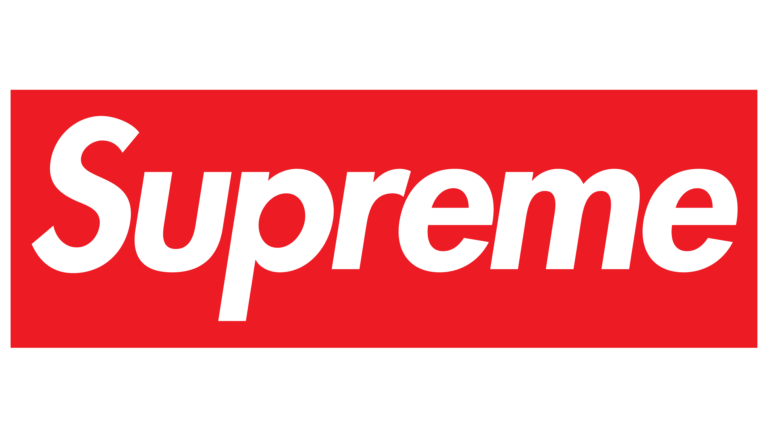
Supreme’s red-and-white box logo was copied from someone else’s work from the start, and the brand built on that borrowed look went on to sue other companies for doing the same thing. James Jebbia, Supreme’s founder, later acknowledged in court that the logo was “based directly” on artist Barbara Kruger’s work, a connection that makes Supreme’s own history of trademark lawsuits more than a little ironic.
How did Supreme actually start, and who designed the logo?
James Jebbia opened the first Supreme store on Lafayette Street in Lower Manhattan in April 1994, laying the store out so skateboarders could move through it rather than following a typical retail floor plan; there were few places nearby to buy skate products at the time. For the opening T-shirt run, Jebbia lent a graphic designer a book of Barbara Kruger’s artwork as a reference. Kruger had spent the 1980s building her reputation on bold white Futura Oblique text over red rectangles, art built specifically to critique advertising and consumerism. Supreme’s designer adapted that exact visual language directly into the box logo.
Did Barbara Kruger ever sue Supreme over the logo?
No, even though Supreme itself has sued other companies for using similar imagery, including a 2013 case against the brand Married to the Mob that was dropped after about three months. Kruger publicly mocked that lawsuit, dismissing the whole dispute in blunt, unflattering terms and noting the irony of Supreme policing a look it never owned. In a 2017 New Yorker interview, she said plainly, “I don’t own that typeface, you know? I don’t own a logo.” Kruger has never taken legal action against Supreme itself, treating the whole situation as an accidental proof of her original point about advertising and ownership rather than something worth fighting over.
Who owns Supreme now?
Supreme stayed independent and privately run for over two decades before VF Corporation, the company behind brands like The North Face and Vans, bought it outright in November 2020 for $2.1 billion in an all-cash deal that bought out founder Jebbia and all other investors. VF’s ownership didn’t go well financially; the company later sold Supreme to EssilorLuxottica, the eyewear giant that owns Ray-Ban, in July 2024 for $1.5 billion, a loss of roughly $600 million from VF’s original purchase price. Jebbia has stayed on to run the business under its new ownership.
Quick facts
| Founded | April 1994, Lafayette Street, Manhattan, by James Jebbia |
| Box logo design inspiration | Barbara Kruger’s Futura Oblique/red-rectangle artwork, acknowledged in court |
| Font used | Futura Heavy Oblique |
| 2013 Married to the Mob lawsuit | Filed by Supreme over similar imagery; dropped after about 3 months |
| Sold to VF Corporation | November 2020, for $2.1 billion |
| Sold to EssilorLuxottica | July 2024, for $1.5 billion |
Related reading: Louis Vuitton logo history, Off-White logo history, and Yeezy logo history.
Further reading
FAQ: Supreme Logo and History
Is the Supreme logo copied from Barbara Kruger?
Founder James Jebbia has acknowledged in court that the box logo was “based directly” on Kruger’s Futura Oblique/red-rectangle artwork from the 1980s.
Did Barbara Kruger sue Supreme?
No. She has publicly joked about the situation, including criticizing Supreme’s own 2013 lawsuit against another brand for using similar imagery, but never pursued legal action against Supreme.
Who owns Supreme now?
EssilorLuxottica, the eyewear company behind Ray-Ban, which bought it from VF Corporation in July 2024 for $1.5 billion.
How much did VF Corporation pay for Supreme?
$2.1 billion in November 2020, buying out founder James Jebbia and all other investors.
Has the Supreme logo ever been redesigned?
No. The red box with white italic Futura Heavy Oblique lettering has stayed the same since 1994.