
Pixar Logo History: Meaning, Symbolism & Brand Heritage
Few studios in the world have shaped modern animation the way Pixar has. Known for its masterful storytelling, emotional depth, and technical innovation, Pixar built not just a library of unforgettable films — but also a visual identity instantly recognized globally. One of the most beloved elements of this identity is the Pixar logo, anchored by its quirky mascot, the lamp Luxo Jr., who quite literally jumps into the brand’s story.
From its origins as a small graphics division inside Lucasfilm to its rise as a pioneering animation powerhouse, the evolution of the Pixar logo mirrors the studio’s transformation. This is the full story of the Pixar logo history, meaning, symbolism, and the heritage behind one of entertainment’s most charming visual marks.
A Studio Defined by Innovation
Before the world knew Toy Story, WALL·E, Finding Nemo or Coco, Pixar was simply “Graphics Group,” a technologically driven team experimenting with rendering, shading, and digital imaging. Its identity was visual, technical, and focused on communication tools rather than characters. As the group evolved into Pixar Animation Studios, the logo evolved too—each transformation reflecting a new chapter in the studio’s history, values, and ambitions.
Today, the Pixar logo is one of the most iconic in entertainment: elegant serif letters paired with a hopping desk lamp that symbolizes creativity, curiosity, and the studio’s constant push to innovate.
Pixar Logo History
1979–1986: The Graphics Group Era
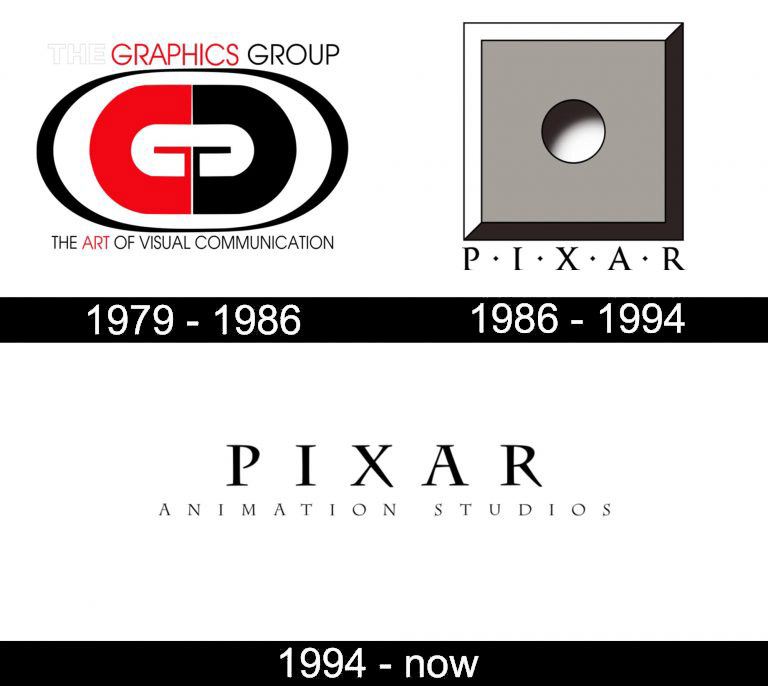
Before Pixar became Pixar, it operated under Lucasfilm as Graphics Group, and its first logo reflected exactly that—technical precision, visual communication, and early computer graphics aesthetics. The emblem was an elongated oval composed of red, black, and white, with soft internal shapes forming a pill-like structure. The letter “C,” flipped downward, linked the two halves. Above it, a multicolored wordmark spelled out The Graphics Group, while the slogan “The Art of Visual Communication” grounded the composition.
This logo was structured, corporate, and complex—fitting for a division focused on digital imaging rather than animated storytelling. But everything changed when Steve Jobs bought the company.
1986–1994: Steve Jobs, the BSD Cube & the Birth of Pixar
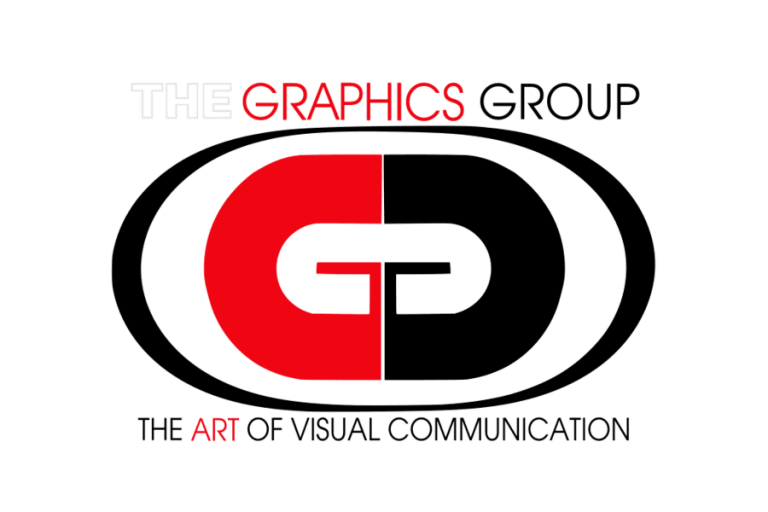
After Steve Jobs acquired Graphics Group for $10 million, he renamed it Pixar, and with the new name came a drastically different visual identity.
The 1986 logo introduced a minimalist square symbol known as the BSD icon (“Beveled Square with a Dent”). Gray, geometric, and tech-inspired, it referenced the cutting-edge hardware that Pixar was selling at the time. Beneath it, the word “PIXAR” appeared in an elegant serif typeface, with dots between each character, giving the mark a cinematic and classical feel.
It was refined, serious, and rooted in Pixar’s technological origins before storytelling became its main focus.
1994–Today: The Iconic Pixar Wordmark
In 1994, Pixar unveiled a new logo designed by Pete Docter — the version still in use today. The emblem abandoned the geometric cube and the spaced-out lettering, opting instead for a clean serif typeface, Charlemagne Bold, which balanced sophistication with storytelling charm.
The most distinctive detail is the letter “X,” whose lower-right stroke tapers into a pointed serif. The tail of the “R” is equally ornamental, giving the logo a regal, cinematic feel. This updated identity premiered publicly with the release of Toy Story in 1995, marking the official beginning of Pixar as a storytelling titan.
Luxo Jr.: The Symbol That Became the Story
The true magic of Pixar’s logo lies in its animated version.
In 1995, the studio introduced Luxo Jr. into the logo — a small desk lamp that hops in, crushes the “I,” and replaces it with its own body. Designed in-house, this animation was a playful nod to the 1986 short film Luxo Jr., which was Pixar’s first official release and the piece that put the company on the animation map.
Luxo Jr. symbolizes:
– curiosity
– creativity
– the spirit of invention
– Pixar’s hands-on craftsmanship
– the idea that technology can have heart
The mascot transforms the logo from a static visual mark into a storytelling moment — something no other major studio does. It is living, animated branding.
Meaning & Symbolism: What the Pixar Logo Represents
Pixar’s logo is deceptively simple but deeply symbolic:
A serif wordmark: elegance, cinema tradition, timeless storytelling.
Luxo Jr.: imagination, innovation, personality, and Pixar’s heritage as a character-driven studio.
Minimalism: a focus on narrative rather than corporate identity.
Soft color palette: black, gray, and blue backgrounds reinforce calm, confidence, and artistic purity.
Across decades, this logo has communicated Pixar’s core promise:
technology and emotion working together to create unforgettable stories.
Pixar Logo Heritage
Pixar’s visual identity has not changed in almost three decades — for a reason. The logo embodies the studio’s values, history, and technological breakthroughs. It is both a tribute to early short films and a constant reminder of Pixar’s founding philosophy:
Innovation through storytelling.
Luxo Jr.’s presence ensures the logo feels alive, inviting audiences into a world where even inanimate objects can feel human.
FAQ About the Pixar Logo
Why is the Pixar logo a lamp?
Because Luxo Jr. starred in Pixar’s first short film and became the studio’s unofficial mascot. He represents curiosity and animation at its purest.
What does the Pixar logo font represent?
The Charlemagne Bold serif typeface conveys cinema tradition and artistic elegance.
Why does the lamp replace the “I” in Pixar?
It’s a playful signature of the brand, turning a corporate logo into a character-driven moment.
Who designed the Pixar logo?
The 1994 version was designed by Pete Docter, while the animated Luxo Jr. version was created in-house by Pixar artists.
Is Pixar still based in California?
Yes. Pixar’s headquarters are in Emeryville, California.