
Netflix Logo: History, Meaning, Symbolism & Brand Heritage
In just a few decades, Netflix transformed from a small DVD-by-mail service into one of the most influential entertainment companies on the planet. Today, Netflix isn’t just a platform — it’s a cultural force, shaping viewing habits, launching global hits, and redefining how the world consumes movies and series.
At the center of this evolution stands a logo that has become instantly recognizable: bold, red, cinematic, and unmistakably modern.
The Netflix logo has changed several times throughout the company’s history, not only reflecting shifts in design trends but also mirroring the brand’s own transformation from a tech startup to a global entertainment powerhouse. What began as a playful nod to Hollywood aesthetics evolved into one of the cleanest, strongest streaming identities in the world.
Meaning and History
Netflix was founded in 1997 by Reed Hastings and Marc Randolph in California. Initially offering DVD rentals by mail, the company quickly gained traction thanks to its subscription model and intuitive service.
By 2008, Netflix had fewer than a thousand DVDs and only a few dozen employees — yet its potential was already clear.
Everything changed in 2013 when Netflix entered original productions, sparking a new era of prestige streaming content.
Through each stage of its growth, Netflix refined its visual identity. The logo, in particular, evolved to match the company’s rapid shift from physical media to digital dominance, from Hollywood-inspired design to minimalism built for tiny screens.
Netflix Logo Evolution Through the Years

1997–2000: The First Cinematic Identity
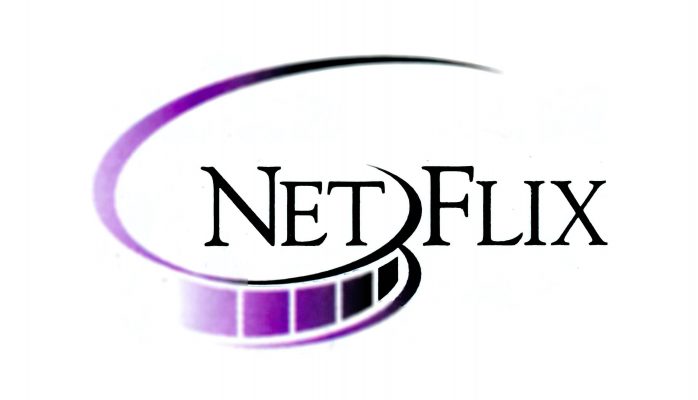
The original Netflix logo embraced the visual language of film.
The wordmark featured elegant, serif characters with sharp geometry, separated in the center by a strip of celluloid film.
Under the “Net” portion of the name, a rounded gradient shape in purple-to-black added dimension and cinematic flair.
This early design felt imaginative and theatrical, perfectly fitting a new company inspired by traditional Hollywood.
2000–2001: A Brief Experimental Phase
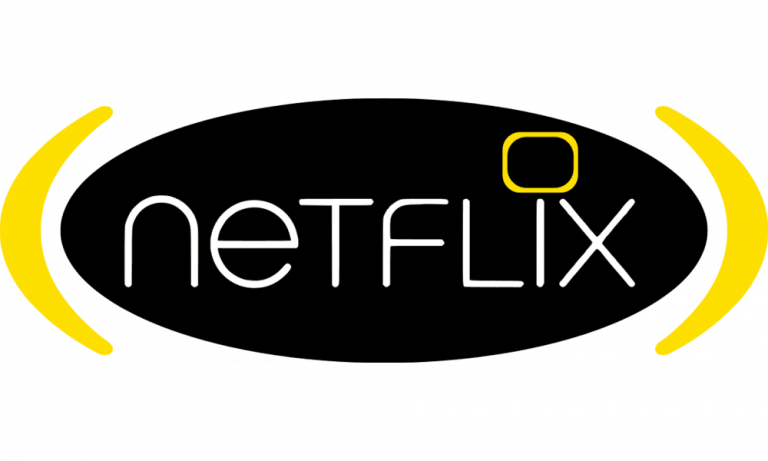
In 2000, Netflix introduced a radically different design — a horizontal black oval framed by rounded yellow brackets. Inside, the word “netflix” appeared in thin white lowercase lettering. The dot on the “i” was replaced with a tiny rounded yellow square resembling a stylized TV screen.
This logo was bold but short-lived, staying with the company for only a few months. It reflected Netflix’s experimentation as it moved from DVDs toward online interfaces.
2001–2014: The Classic Red Badge
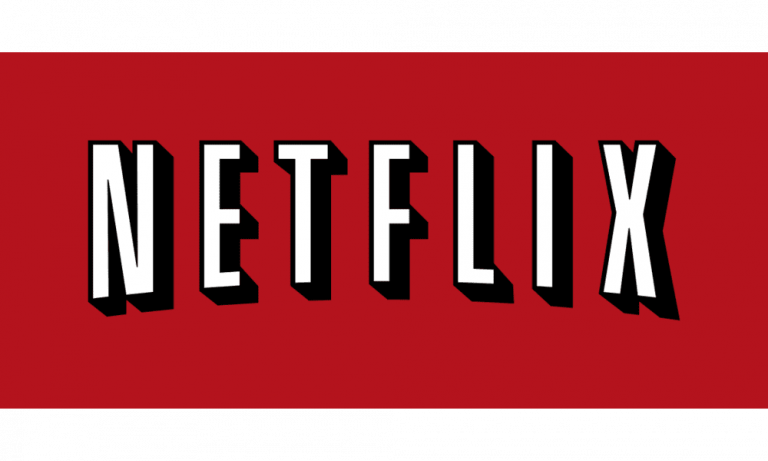
In 2001, Netflix unveiled a logo that would define its brand for more than a decade.
The word “NETFLIX” appeared in tall white capitals, spread widely across a deep red background.
Each letter was outlined in black, with a bold dark shadow descending diagonally — reminiscent of old Hollywood title cards.
This design was iconic: bold, cinematic, and instantly recognizable.
The red tone, however, was darker than today’s Netflix red, creating a more mysterious, theatrical mood.
2014–Today: A Modern Cinematic Wordmark
The redesign of 2014 brought Netflix into its minimalist era.
The drop shadow and outlines disappeared.
The letters became heavier, cleaner, and more contemporary.
The shade of red was brightened to the vivid, digital-friendly Netflix Red we know today.
This version was created by the New York branding studio Gretel. Their concept — “the stack” — symbolized Netflix’s endless catalogue and personalized content curation.
This is now the primary Netflix logo used worldwide.
2016–Today: The “N” Icon
In 2016, Netflix introduced a secondary emblem: the Netflix N.
This was not a replacement for the full wordmark, but a companion icon — specifically designed for mobile apps, social media avatars, and small-format branding.
The “N” appears as a red ribbon folded over itself, creating depth through three overlapping segments in different shades of red.
Placed on a black square background, this emblem became one of the most recognizable digital icons of the modern era.
Symbolism and Brand Meaning
The Netflix logo is built on simplicity, clarity, and cinematic impact. Its signature red represents passion, energy, and emotional intensity — essential qualities for a company built around storytelling.
The clean geometric shapes of the Netflix N evoke:
– dimensionality, like layers of content
– the idea of a ribbon folding (a metaphor for seamless streaming)
– streaming queues and stacked content collections
Meanwhile, the bright red-on-black combination creates powerful contrast that stands out on any screen.
Netflix Design Elements
Font
Netflix’s customized typeface is based on Gotham Book and Gotham Bold, with sharp cuts on the top edges of the letters and a slight arch along the base of the wordmark.
This arch — subtle but distinctive — becomes part of Netflix’s typographic identity.
The font is stable, bold, and highly legible, designed to look strong on screens large and small.
Color
Netflix’s signature red is deep, warm, and theatrical.
Traditionally paired with white or black, it embodies:
– energy
– confidence
– passion for movies
The red was brightened in 2014 to better suit digital interfaces and streaming platforms.
FAQ
What does the Netflix logo symbolize?
It represents passion for cinema, global reach, and constant innovation. The red conveys energy, while the clean lettering reflects modernity.
Is the Netflix “N” logo the main logo?
No. Netflix uses both the full wordmark and the “N” icon. The “N” is primarily for apps and social media.
Why did Netflix change its logo?
To modernize the brand, adapt to digital platforms, and create a more cinematic yet minimalist identity.
What is the Netflix font?
A custom adaptation of Gotham, with a slightly arched base and strong geometric letterforms.
What color is Netflix Red?
A bright, digital-friendly red used consistently across Netflix branding.
5 Facts About Netflix You Probably Didn’t Know
1. Netflix originally considered naming the company “Kibble.”
2. The first Netflix logo featured actual film reel imagery.
3. The iconic red shade was chosen because it pops on TV screens.
4. Netflix’s “ta-dum” audio logo was composed by Oscar-winning sound designer Lon Bender.
5. The 2016 “N” icon was designed specifically for mobile use — not traditional branding.