Meta Logo History: What the Metaverse Bet Actually Cost
Facebook’s parent company renamed itself Meta on 28 October 2021, promising a metaverse built on virtual and augmented reality. Several years and tens of billions of dollars later, the division responsible for that vision, Reality Labs, has become one of the most expensive bets in corporate history, and Meta itself has started pulling back from it.
What actually changed when Facebook became Meta?
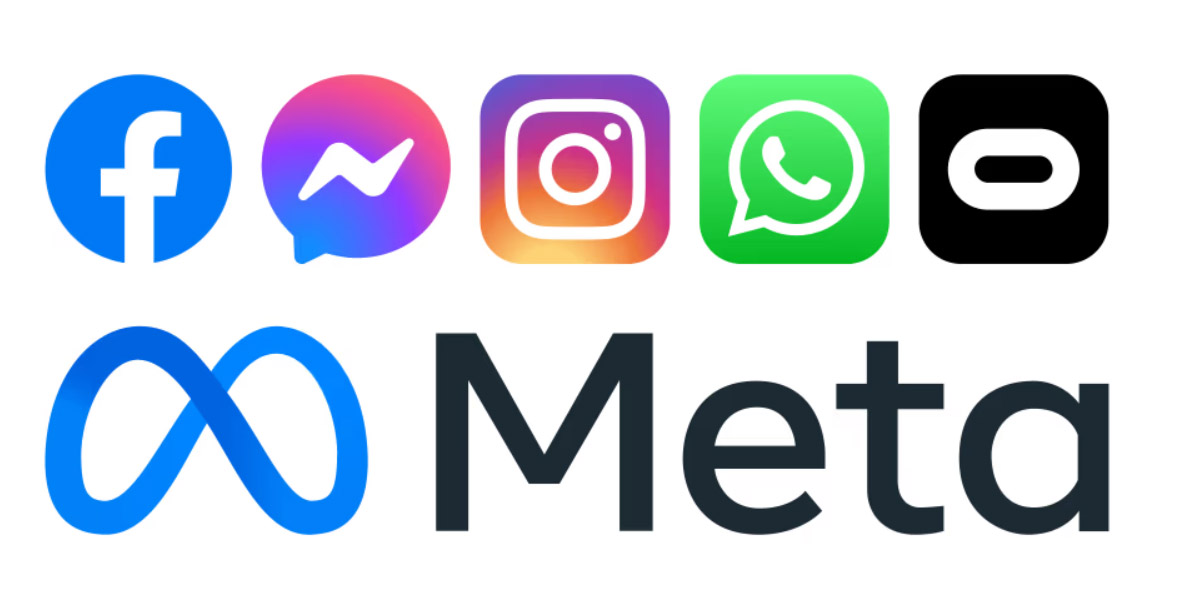
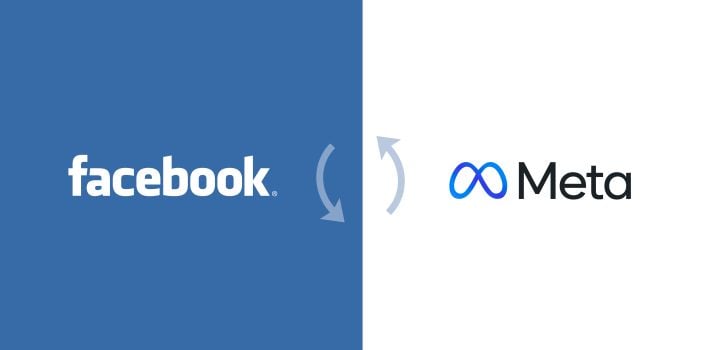
Only the parent company’s name changed. Facebook, Instagram, WhatsApp, and Messenger kept their own names and logos; “Meta” became the name of the holding company overseeing all of them, along with Reality Labs, the division building VR and AR hardware and software. The name itself comes from the Greek meta (“after” or “beyond”), chosen to signal a shift past the current internet toward Mark Zuckerberg’s vision of an immersive, interconnected “metaverse.”
What has the metaverse bet actually cost, and how is it going?
Reality Labs’ losses have run far beyond anything suggested at launch: the division lost roughly $83.6 billion cumulatively between 2020 and 2025, with annual losses climbing each year, including about $19.2 billion in 2025 alone and more than $4 billion in the first quarter of 2026. Zuckerberg has said he expects losses to plateau rather than shrink quickly.
That spending has led to real cutbacks rather than just belt-tightening on paper. Meta has shut down several VR game studios it previously acquired, including Sanzaru Games, Twisted Pixel Games, and Armature Studio, and sharply reduced staff at others. According to the company’s own statements, Meta is now meaningfully reducing investment in VR and its Horizon platform and shifting resources toward AI-powered wearables like smart glasses, reportedly directing around 70% of related spending to glasses versus 30% to VR.
What does the Meta logo actually represent?
The logo introduced alongside the 2021 rename replaced Facebook’s blue square “f” with an abstract, infinity-like loop based on a Möbius strip, a shape with only one continuous surface, rendered in blue and paired with a plain sans-serif “Meta” wordmark. The shape is widely read as suggesting continuity between physical and digital spaces and, as a loose visual pun, an abstracted “M.” The blue coloring deliberately echoes Facebook’s long-standing brand color.
Quick facts
| Name change announced | 28 October 2021, at Meta’s Connect conference |
| Platforms affected | None by name; only the parent company was renamed (Facebook, Instagram, WhatsApp, Messenger kept their names) |
| “Meta” origin | Greek for “after” or “beyond” |
| Reality Labs cumulative losses | ~$83.6 billion, 2020-2025 |
| 2025 Reality Labs loss | ~$19.2 billion |
| Q1 2026 Reality Labs loss | Over $4 billion |
| Recent strategic shift | Reducing VR/Horizon investment; redirecting spend toward AI glasses (~70% glasses vs. ~30% VR) |
Related reading: Facebook logo history, Instagram logo history, and WhatsApp logo history.
Further reading
- Meta: The Facebook Company Is Now Meta
- CNBC: Meta’s Reality Labs lost over $4 billion in first quarter
FAQ: Meta Logo and History
Did Facebook change its name to Meta?
No. Only the parent company changed its name, on 28 October 2021. The Facebook app and brand kept their own name.
How much has Meta lost on the metaverse?
Reality Labs, the division behind Meta’s VR/AR efforts, lost roughly $83.6 billion cumulatively between 2020 and 2025, with losses continuing into 2026.
Is Meta still investing heavily in the metaverse?
Less than before. The company has closed several VR studios and shifted spending toward AI-powered wearables like smart glasses rather than VR and its Horizon platform.
What does the Meta logo represent?
An abstract infinity-like loop based on a Möbius strip, intended to suggest continuity between physical and digital spaces, rendered in Facebook’s established blue.
Does Meta still own Instagram and WhatsApp?
Yes, both remain under the Meta corporate umbrella, each keeping its own name and branding.