
Adidas Logo History: Meaning, Symbolism & Brand Heritage

Few logos have shaped modern athletic culture as profoundly as the three stripes of Adidas. Their presence spans generations, transcending sport to become part of global fashion, youth identity, and urban iconography. What began humbly in the laundry room of the Dassler family home in Herzogenaurach grew into one of the most influential sportswear brands in history. From Olympic tracks to city streets, from global tournaments to music subcultures, the Adidas mark has become a universal language—simple, geometric, and loaded with meaning.
The story of Adidas is inseparable from the life of Adolf “Adi” Dassler, a craftsman obsessed with improving athletic footwear. His handmade spikes, produced with the help of his brother Rudolf, quickly gained favor among elite athletes. By the mid-1930s, the Dassler brothers were an emerging force, selling hundreds of thousands of pairs annually. Yet their fractured partnership after World War II created two of the most significant sportswear empires—Adidas and Puma.
Adi Dassler’s new venture, Adidas AG, would soon become synonymous with innovation and unmistakable visual identity. The three stripes—purchased in the 1940s from Karhu Sports for the equivalent of €1,600 and two bottles of whiskey—evolved into much more than decoration. They became one of the most recognizable branding assets in the world.
Brand Heritage
Adidas’ heritage rests on a rare combination of technical innovation and cultural storytelling. From the earliest days, Dassler believed that performance equipment must blend engineering precision with emotionally resonant symbols. The three stripes began simply as functional stabilizers sewn onto footwear uppers, but their rhythm, symmetry, and visual power transformed them into a signature.
Over time, the stripes migrated from performance gear to tracksuits, lifestyle apparel, and iconic collaborations. Adidas became not just a sports brand but a cultural archive recording decades of athletic triumphs, youth movement, music scenes, and streetwear revolutions. The Trefoil, the Mountain logo, and the modern diagonal stripes each represent eras of aspiration—heritage, competitive excellence, and contemporary minimalism. Despite their variations, the unifying principle remains constant: progress through design.
Adidas Meaning and Symbolism
Every version of the Adidas logo carries layered symbolism. The original three stripes represented structure and balance. Dassler often called Adidas “the three stripes company,” emphasizing that the graphic itself embodied the brand’s essence.
The Trefoil of 1971 expressed diversity, global reach, and the expansion of Adidas beyond athletics into lifestyle culture. Its three leaves represented the major continents on which Adidas products were sold and symbolized unity in motion.
The Mountain logo introduced in the 1990s depicted ambition and resilience. The sharply ascending lines suggested obstacles, persistence, and the determination required to reach athletic goals.
Across all interpretations, the unspoken message remains constant: movement, progress, and the pursuit of potential.
Adidas Logo History & Evolution Timeline
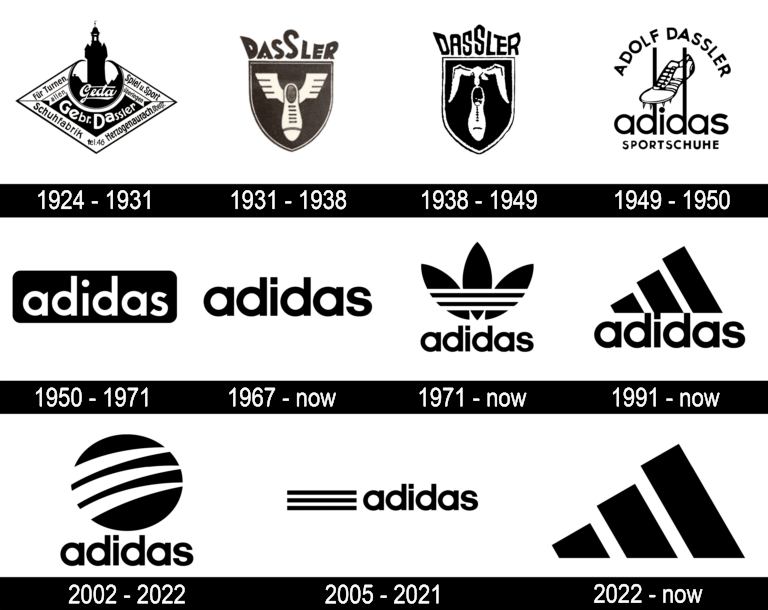
1924–1931: The Geda Era
Before Adidas existed, there was Gebrüder Dassler Schuhfabrik—Geda. Its logo was a heavy geometric emblem containing the company name within a thick diamond frame. It reflected the industrial ambition of a brand just beginning to explore its identity.
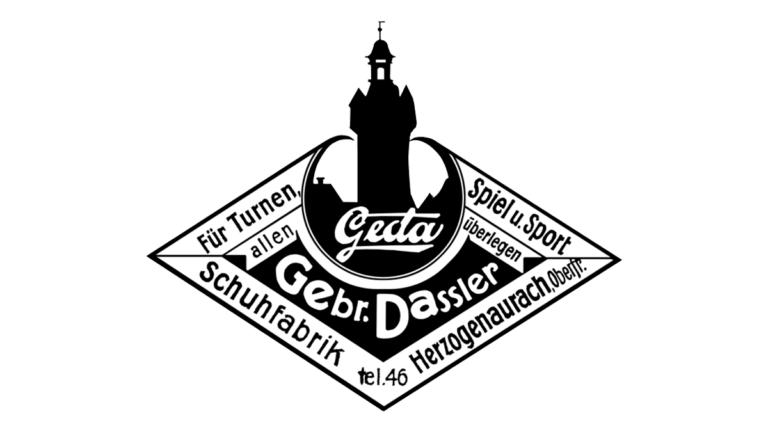
1931–1938: The Winged Shoe
Upon renaming the company Dassler, the logo became more refined and symbolic. A streamlined crest featuring a winged sneaker represented speed, agility, and craftsmanship. The typography was modern for its time and established a visual tone of innovation.

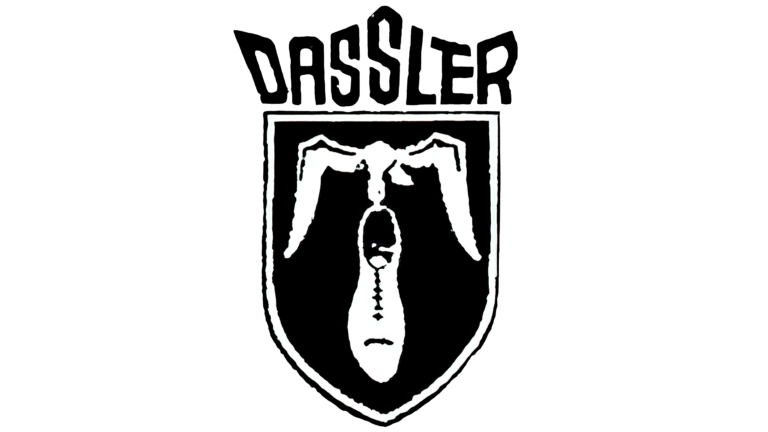
1938–1949: Lightness and Flight
A redesigned shield depicted a sneaker carried by a bird, metaphorically presenting Dassler products as light and efficient. The logo retained a traditional crest construction but embraced a more expressive image.
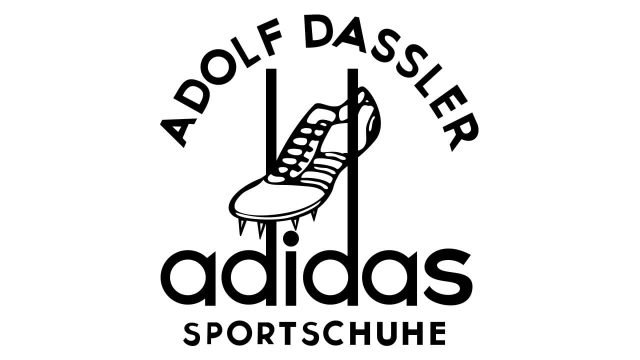
1949–1950: The Birth of Adidas
Once the Dassler brothers separated, Adolf Dassler introduced the Adidas name. The first Adidas wordmark curved the founder’s name above a shoe held between the descending strokes of two capital “D” letters. It was both personal and bold, a transitional step toward a global identity.
1950–1971: The Early Wordmark
The logo evolved into a simpler rectangular badge with rounded corners containing the Adidas name. The lettering sharpened over time, gaining weight and confidence as the brand expanded internationally.

1967–Today: The Enduring Lowercase Wordmark
In 1967, Adidas introduced the lowercase wordmark that remains a core element today. The clean, geometric sans serif reflected modern industrial design trends and would later anchor all additional symbols.

1971–Today: The Trefoil
Ahead of the 1972 Munich Olympics, Adidas unveiled the Trefoil. This organic, three-leaf form with horizontal stripes signified heritage, diversity, and lifestyle. It remains the emblem of the Adidas Originals line and carries immense cultural weight.

1991–Today: The Mountain Logo
To mark its return to pure athletic performance, Adidas rotated the three stripes to form a rising peak. This became the Performance logo, symbolizing goals, ambition, and perseverance.
2002–2022: Stripes in a Circle
For the Style and Y-3 ranges, Adidas introduced a circular mark with three diagonal stripes crossing its center. This emblem represented experimentation and fashion-forward design.

2005–2021: The Modern Combined Mark
The classic lowercase wordmark and diagonal stripes formed a versatile, widely adopted emblem. It balanced heritage with contemporary minimalism and appeared across footwear, apparel, and digital applications.

2022–Today: The Minimalist Pyramid
In its latest evolution, Adidas removed the wordmark entirely. The three diagonal stripes stand independently in a pyramid formation, an expression of confidence, simplicity, and global recognition. Even without text, the design remains unmistakably Adidas.
Design Analysis
Adidas branding succeeds through disciplined consistency and bold geometric thinking. Every logo variation relies on rhythm, repetition, and symmetry. Whether forming a trefoil, a mountain, or a pyramid, the stripes always communicate movement and resilience.
The visual architecture feels timeless because it is rooted in proportion rather than trend. Heavy lines, sharp angles, and balanced spacing give the logo presence at any scale—from microscopic stitching to stadium billboards.
Font & Color
The Adidas wordmark introduced in 1967 uses a distinctive sans serif typeface with rounded forms and uniform stroke weight. Today, the brand employs the custom Adineue Pro Bold type family, designed specifically for legibility, impact, and digital versatility. Its closest commercial relatives include Urbancat St Bold, Gacor Regular, and Reva Pro Extra Bold, though none replicate the exact proportions of the proprietary design.
Black and white remain the brand’s core palette. This choice ensures maximum contrast, universal adaptability, and a timeless association with professionalism and authority. While Adidas has historically experimented with blue and other hues, the official brand guidelines maintain black and white as the primary identity colors.
The Three Stripes as a Global Language
Few marks have achieved the cultural permanence of the Adidas logo. Its evolution—from functional stitching to global symbol—demonstrates the power of simple geometric ideas executed with clarity and vision. The stripes have become more than branding: they are a visual shorthand for sport, ambition, and the pursuit of excellence.
Today, whether appearing as a Trefoil on heritage apparel, a Mountain on high-performance gear, or a standalone pyramid representing the future of the brand, the Adidas logo remains one of the most influential identity systems ever created. In every form, it carries a legacy of innovation rooted in Adolf Dassler’s original mission: to help athletes unlock their greatest potential.
FAQ — Adidas Logo & Brand Identity
What is unique about the Adidas logo?
All Adidas logos share a unifying structure of three elements—stripes, leaves, or bars—which symbolize motion, progress, and the three major global markets the company serves.
What is the hidden meaning behind the Adidas logo?
The stripes represent the challenges athletes face, the journey toward improvement, and the brand’s global reach across Europe, North America, and Asia.
Why is the Adidas logo shaped like a triangle?
The triangular form symbolizes steps of progress and the pursuit of perfection, echoing athletic determination.
Why has the Adidas logo been so successful?
Its minimalism, geometric clarity, and symbolic resonance allow it to remain relevant across eras, cultures, and products.