Liz Claiborne Logo: The Lower-Case Name That Dressed Working Women

In the 1980s, if an American woman had an office job, there was a good chance part of her wardrobe carried the Liz Claiborne label. The company was built on a simple idea, practical and well-cut separates for working women, and it grew fast enough to become the first company founded by a woman to join the Fortune 500. The logo, a plain lower-case version of the designer’s own name, was part of that appeal: it looked friendly and modern rather than grand.

What does the Liz Claiborne logo look like?
The best-known Liz Claiborne logo is a wordmark in lower-case letters: “liz claiborne.” The letters are light and evenly spaced, with tall, thin ascenders on the l, z and b, and no capital letters at all. Some versions drop the dot on the i. The lettering is usually black on white, the kind of mark that sits neatly on a hang tag, a shopping bag or a department store sign.
Using small letters for a person’s full name was an unusual choice for a fashion label. Most designer brands of the time, from Calvin Klein to Ralph Lauren, wrote their names in capitals to look important. Claiborne’s company went the other way, which matched the brand’s promise of clothes that were easy to wear and easy to buy.
How has the Liz Claiborne logo changed?
Logo archives note that the wordmark was redrawn several times in the 1970s and 1980s, using either a clean sans-serif or a more stylised face in which the z looked a little like the number 2. The lower-case version became the standard from around the 1990s onward. The company also built a family of sub-brands, each with its own label, including Liz Claiborne Collection, Lizwear, LizSport, Claiborne for men and Elisabeth for larger sizes.
Claiborne herself was famous for her love of a strong red, known around the office as “Liz Red,” and red was used across stores and marketing even though the logo stayed mostly black and white.
Who was Liz Claiborne?
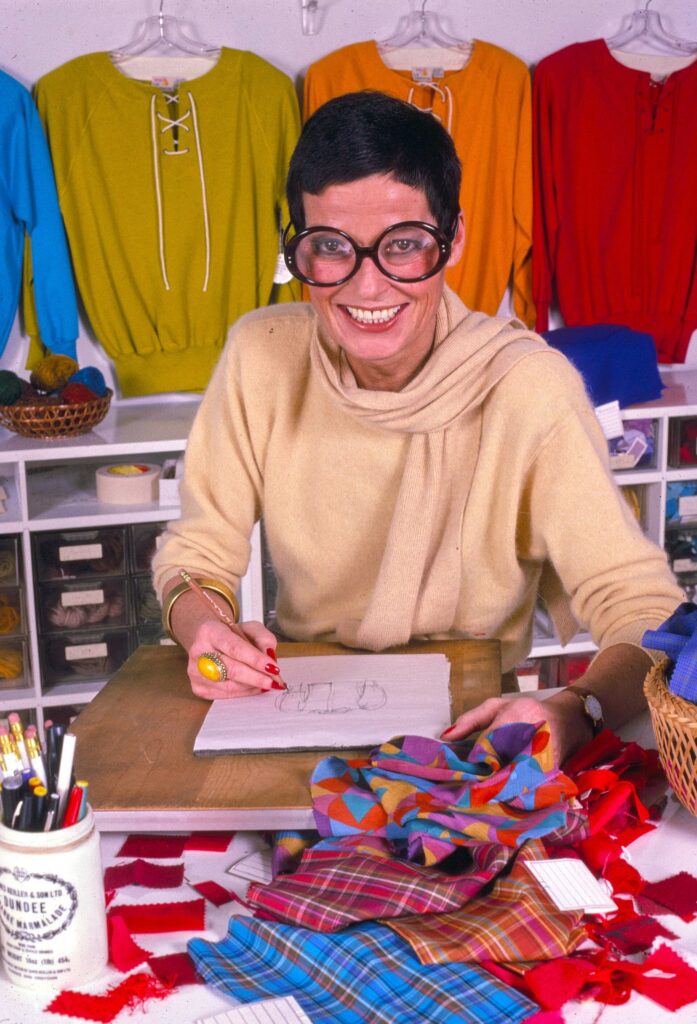
Anne Elisabeth Jane Claiborne was born in Brussels in 1929 to American parents from an old Louisiana family. She did not finish high school; instead she studied art in Europe. In 1949 she won a design contest run by Harper’s Bazaar, then moved to New York’s Garment District, where she worked as a sketch artist and designer for labels including Tina Leser, Omar Kiam and, for many years, Youth Guild.
She kept running into the same problem: the companies she worked for were not making practical, attractive clothes for women who went to work every day. In 1976 she started her own business with her husband, Art Ortenberg, and partners Leonard Boxer and Jerome Chazen.
How big did Liz Claiborne become?
The company made $2 million in sales in its first year and $23 million by 1978. It went public in 1981 and joined the Fortune 500 in 1986, with sales of $1.2 billion, making Claiborne the first woman to be chair and chief executive of a Fortune 500 company. By the late 1980s Liz Claiborne held about a third of the American market for upscale women’s sportswear.
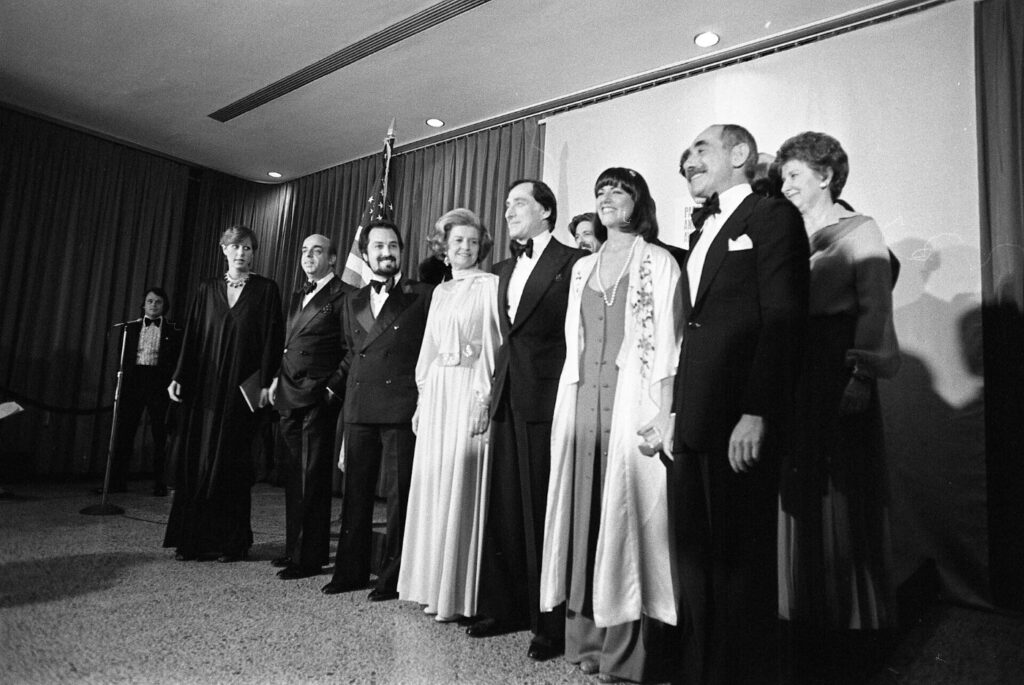
One of its most lasting changes was in how department stores were laid out. Claiborne insisted that her clothes hang together in their own area, so a shopper could find skirts, blouses and jackets from one brand in one place. Today almost every big store, from Macy’s to Nordstrom, groups clothing this way. She also liked to visit stores and pose as a saleswoman to hear what customers really thought.
Claiborne and Ortenberg retired from day-to-day management in 1989 and put much of their money into environmental causes through their foundation.
Who owns the Liz Claiborne brand today?
The company kept growing by buying other labels in the 1990s and 2000s, including Kate Spade, Juicy Couture and the California denim label Lucky Brand, in which it bought a majority stake in 1999. In 2010 JCPenney signed a long-term deal to be the exclusive U.S. seller of Liz Claiborne and Claiborne products, and in October 2011 it agreed to buy the worldwide rights to the Liz Claiborne family of names, along with the Monet jewellery brand. The original company renamed itself Fifth & Pacific in 2012 and became Kate Spade & Company in 2014.
Liz Claiborne clothing is still sold by JCPenney, which merged with SPARC Group in 2025 to form Catalyst Brands.

Where does Liz Claiborne fit among American designer labels?
Liz Claiborne sits in the same generation as Calvin Klein, Ralph Lauren and Tommy Hilfiger, American names that built huge businesses on everyday clothes rather than couture. What made Claiborne different was her customer: the working woman, not the fashion crowd. Brands like Michael Kors and Coach later borrowed parts of that formula, pairing a designer name with prices aimed at the middle of the market.
Quick facts
| Founded | 1976, New York City |
| Founders | Liz Claiborne, Art Ortenberg, Leonard Boxer, Jerome Chazen |
| Logo | Lower-case “liz claiborne” wordmark |
| Signature colour | “Liz Red” |
| Milestone | Fortune 500 in 1986, first company founded by a woman to make the list |
| Brand owner | JCPenney (rights bought in 2011), part of Catalyst Brands since 2025 |
| Former parent | Liz Claiborne Inc., later Fifth & Pacific and Kate Spade & Company |