Gymboree Logo History: From Play Classes to Clothing
Gymboree started as a room full of parents and babies rolling on mats in Marin County, California, and only later became a children’s clothing label. That order matters for the logo. The bright, rounded orange wordmark still carries the feel of a play class more than a fashion house, and it has outlived two bankruptcies, a change of owner and the closure of every stand-alone Gymboree shop.
What does the Gymboree logo mean?
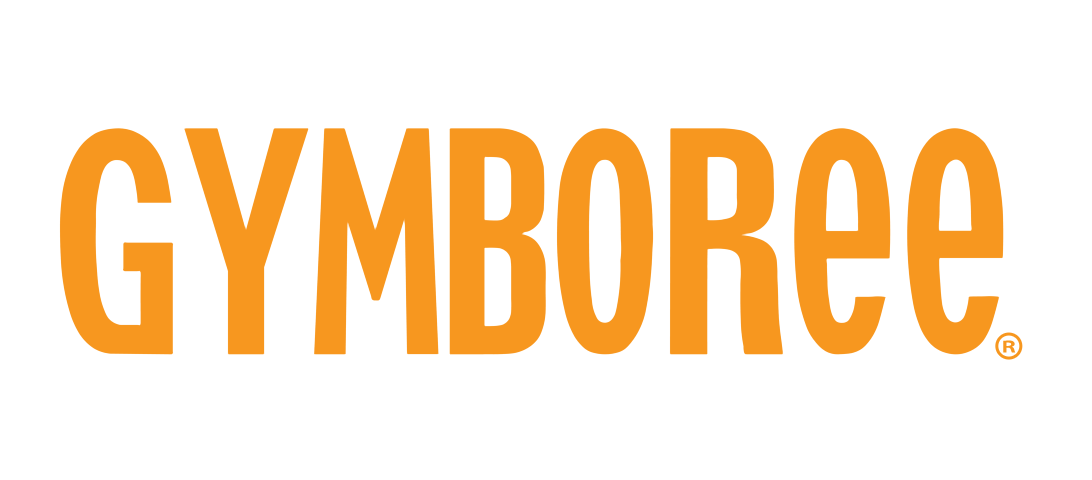
The current logo is a single word, GYMBOREE, set in heavy, slightly condensed letters with soft corners, followed by a small registered-trademark sign. The color is a warm orange, and the last two letters are drawn in a rounder, lower-case style that makes the word look less rigid than a plain block of capitals. There is no mascot or symbol attached. The name itself does the work: “gym” points back to the movement classes the company began with, and the playful ending keeps the tone light, which suits a brand sold to parents of babies and young children.
Orange is a practical choice for this market. It reads as cheerful without being tied to either the pink or blue conventions of baby clothing, and it stands out on a shelf or a phone screen next to the softer pastels used by many rivals.
Has the Gymboree logo changed over time?
Yes, though the name has always been the logo. Gymboree branding from the late 1980s and 1990s, the years when the clothing stores spread across American malls, used multicolored letters in red, yellow, green, blue and purple that bounced above and below the baseline, much like toy blocks. Logo archives such as 1000 Logos date the first version to 1986, the year the first clothing store opened, and describe a second, even livelier arrangement used from 1988.
The company later moved to a single orange color and a steadier line of letters, which is the version still in use. Under The Children’s Place the wordmark has been kept rather than redrawn, and it now appears in the parent company’s shared website header next to The Children’s Place logo, with Gymboree shown as one of the group’s brands.
Who founded Gymboree?
Joan Barnes came up with parent and baby exercise classes in 1975 while running a recreation program at a Jewish Community Center in San Rafael. She opened her first commercial Gymboree center in 1976 and grew the idea through low-cost franchising, so that by 1984 there were 125 franchised centers in 20 states. Classes used a clown puppet called Gymbo.
The first Gymboree clothing store opened in 1986, selling coordinated outfits for newborns up to about age ten. The company, based in Burlingame and later San Francisco, went public in March 1993, and clothing soon became the main business. A cheaper line, Crazy 8, followed in 2007.
Who owns Gymboree today?
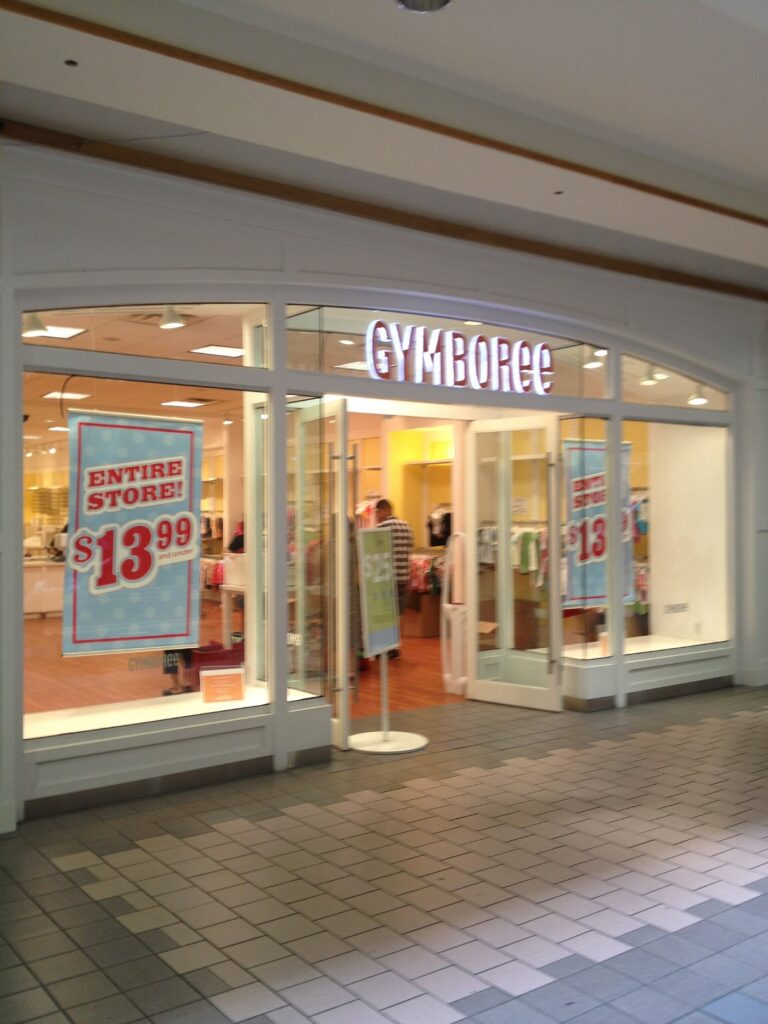
Bain Capital bought the company in 2010 for about $1.8 billion. Heavy debt led to a Chapter 11 filing in June 2017 and a second one in January 2019, after which all Gymboree and Crazy 8 shops closed. Janie and Jack was sold to Gap, and the play classes had already been sold separately in 2016, so Gymboree Play & Music now runs as an independent business.
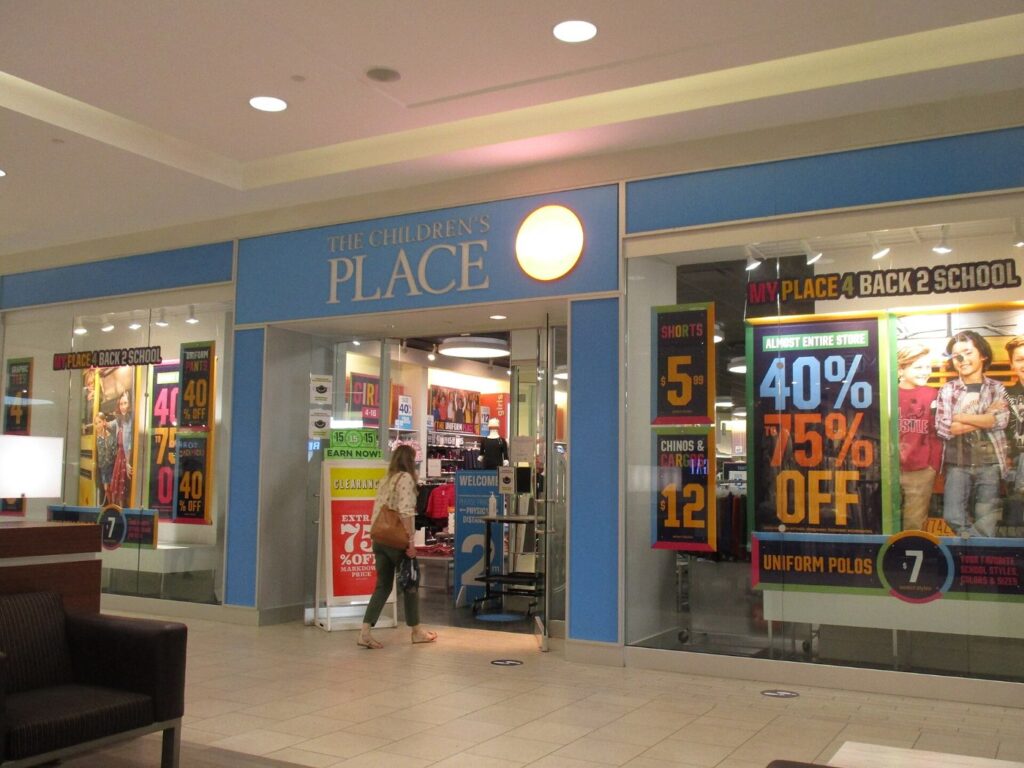
The Children’s Place bought the Gymboree brand and Crazy 8 assets in June 2019 and relaunched Gymboree online in February 2020, with shop-in-shop corners in more than 80 Children’s Place stores. Marking 40 years of Gymboree clothing in 2026, the brand has leaned on partnerships, including a New York City Ballet holiday capsule in 2025 and a Marchesa collection of tulle dresses in February 2026.
Gymboree now sits alongside other family names that rebuilt themselves after hard years, such as Gap and Banana Republic, while its online children’s ranges compete with fast-fashion labels like H&M and Zara.
Quick facts
| Founded | 1976, Marin County, California (play classes); clothing from 1986 |
| Founder | Joan Barnes |
| Owner | The Children’s Place, Inc. (since 2019) |
| Logo | Orange rounded wordmark GYMBOREE |
| Earlier logos | Multicolored bouncing letters (late 1980s to 1990s) |
| Related businesses | Crazy 8 (2007), Janie and Jack (sold to Gap), Gymboree Play & Music (sold 2016) |
| Website | gymboree.com |