Fred Perry Logo: The Laurel Wreath Explained
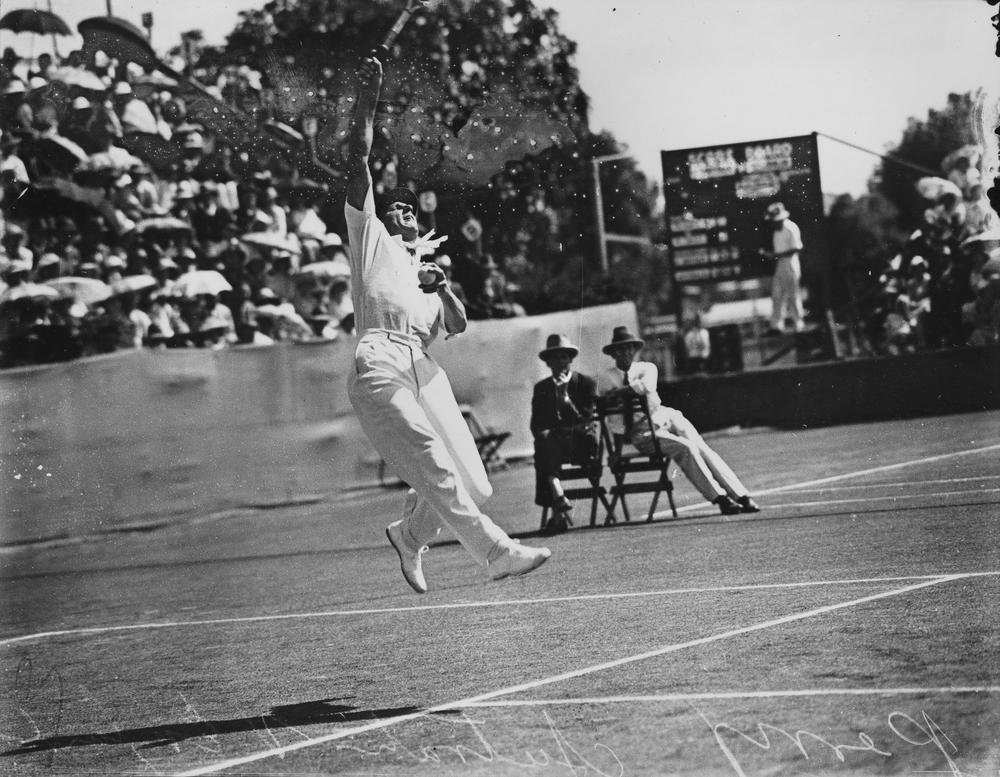
Fred Perry, the British table tennis world champion who went on to win Wimbledon three times in the 1930s, launched his clothing brand in 1952 with the Austrian former footballer Tibby Wegner. The white cotton piqué tennis shirt they introduced at Wimbledon that year is still one of the most worn pieces of British casual clothing. Its laurel wreath logo, stitched on the left chest, was almost a tobacco pipe: Perry, a keen pipe smoker, wanted a pipe as the emblem until Wegner talked him into the wreath.
What does the Fred Perry logo mean?
The laurel wreath is an ancient Roman symbol of victory, given to winners and heroes, and it suited a brand named after a tennis champion. In tennis it had extra weight, because the wreath was also used by the All England Club at Wimbledon and by Britain’s Davis Cup team. Perry and Wegner needed permission to use it, and they got it despite Perry’s famously strained relationship with the club.
The current logo pairs the wreath, an open ring of leaves usually shown in gold, with the name “FRED PERRY” in bold, tightly spaced sans-serif capitals. On the shirts themselves the wreath usually appears alone, embroidered on the left chest.
Has the Fred Perry logo changed over time?
The wreath has hardly changed since the 1950s. What has changed is the lettering that goes with it. For decades the brand set “FRED PERRY” in classic serif capitals beneath the wreath. Around 2010 it switched to the bolder sans-serif wordmark used today and left the wreath alone.
Who founded Fred Perry?
Near the end of his playing career, Fred Perry worked with Tibby Wegner on a sweatband, made in Leicester and sold as Fred Perry Sportswear, which spread quickly after they handed it out free to leading players. Inspired partly by René Lacoste’s sportswear label, they launched the Fred Perry brand and its tennis shirt in 1952, first in white and black.
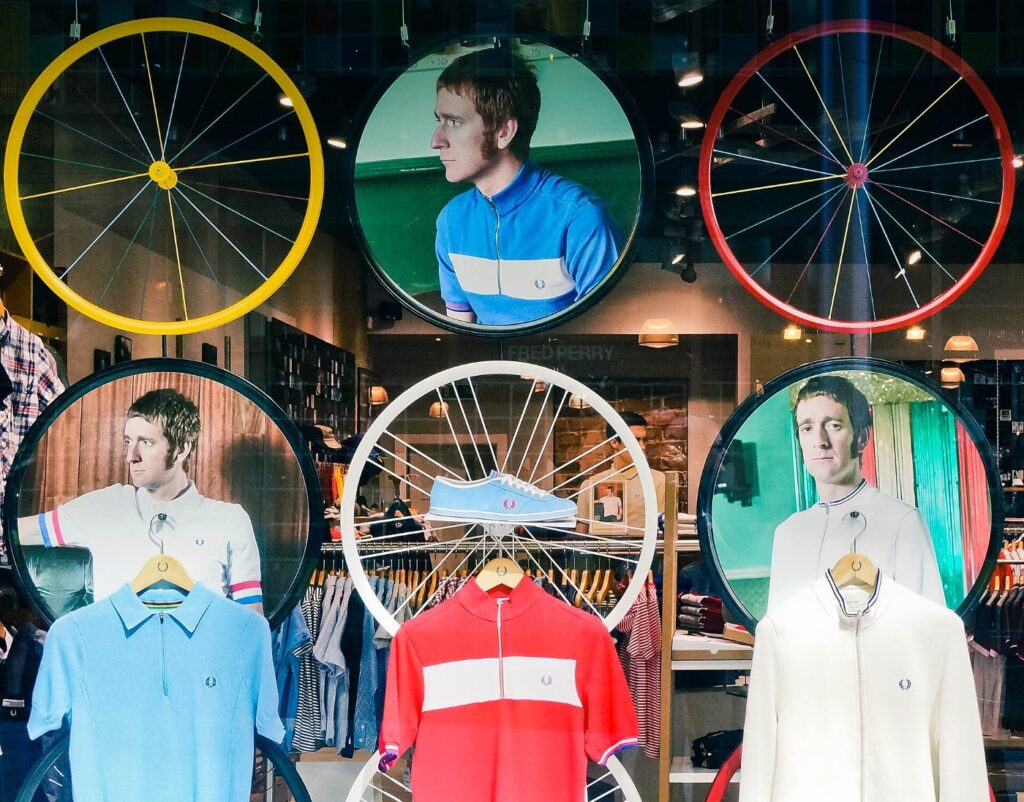
The shirt soon moved off the court. Mods adopted it in the 1960s, alongside Ben Sherman shirts, and it stayed popular with skinheads and mod revivalists in the 1970s and 1980s, worn by musicians such as Paul Weller. In the late 1980s an association with the far-right National Front pushed the brand to the margins for a time, before Britpop bands such as Blur brought it back in the mid-1990s. Andy Murray wore Fred Perry early in his career, and later collaborations included Amy Winehouse and the cyclist Bradley Wiggins. Today it sits alongside British heritage names such as Burberry and sports brands like Adidas.
Who owns Fred Perry today?
The Japanese company Hit Union, long the brand’s partner in Japan, bought Fred Perry in 1995. The brand is still headquartered in London and runs around 200 shops worldwide. In 2021 it bought the Northamptonshire shoemaker George Cox, founded in 1906. Its sales passed 150 million pounds for the first time in 2023, reaching 154.1 million pounds.
The brand has also had to deal with misuse of its logo. After the far-right Proud Boys group in North America adopted its black and yellow polo shirt, Fred Perry said it did not support the group and, in September 2020, stopped selling that shirt in the United States and Canada.
Quick facts
| Founded | 1952, United Kingdom |
| Founders | Fred Perry and Tibby Wegner |
| Signature product | Cotton piqué polo shirt with twin-tipped collar |
| Logo | Laurel wreath, with a sans-serif “FRED PERRY” wordmark since about 2010 |
| Owner | Hit Union, Japan (since 1995) |
| Headquarters | London |