The Guardian Logo History: Meaning, Symbolism & Brand Heritage
Few newspapers in the world can claim the historical authority, editorial independence, and global influence of The Guardian. Founded in 1821 by John Edward Taylor under the name The Manchester Guardian, the publication began as a regional newspaper rooted in liberal values and civic responsibility. Over two centuries later, The Guardian stands as one of the most respected voices in global journalism.
While its print edition shaped generations of readers, the launch of theguardian.com in 1999 marked a decisive shift toward digital journalism. Today, with more than 50 million monthly readers worldwide, The Guardian operates primarily as an online-first publication. Throughout this long evolution, one constant has remained central to its identity: typography. The Guardian logo history is a story told almost entirely through letters, reflecting the publication’s belief that words, clarity, and trust matter more than visual spectacle.
The Guardian Logo Meaning and Editorial Identity
The Guardian logo meaning is deeply tied to credibility, seriousness, and intellectual rigor. Unlike commercial brands that rely on symbols or abstract icons, newspapers traditionally express identity through typography. The Guardian is a textbook example of this philosophy.
Across its history, the logo has communicated authority through type choice, proportion, and restraint. Each redesign mirrored shifts in editorial voice, audience expectations, and publishing technology, yet always preserved a sense of continuity. The logo does not aim to impress visually; it aims to reassure readers of reliability and editorial integrity.
The Guardian Logo History: Two Centuries of Typographic Evolution
1821–1959: The Manchester Guardian and Gothic Authority
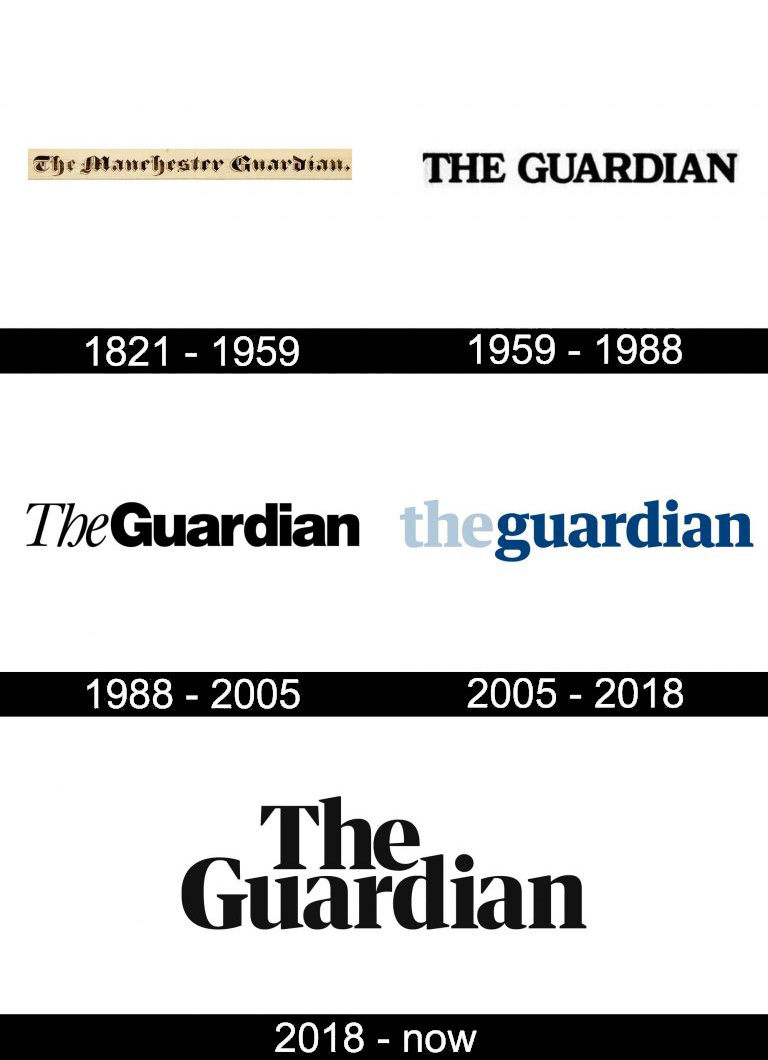
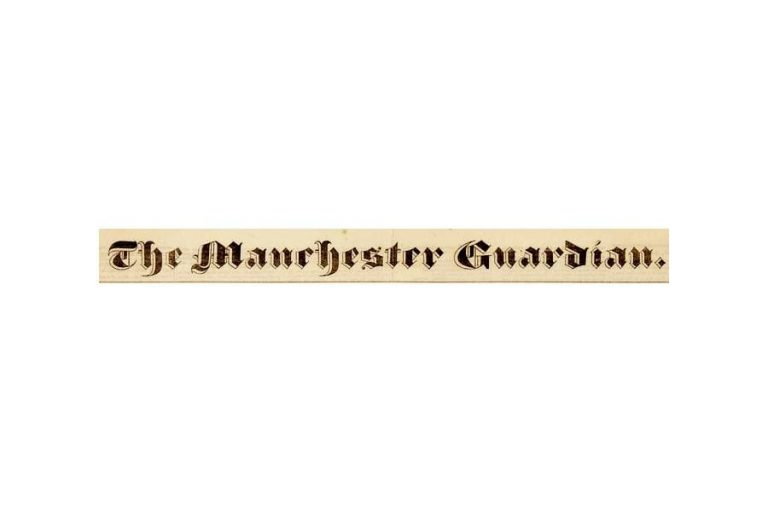
The earliest logo used by the newspaper reflected its original name, The Manchester Guardian. For nearly 130 years, the publication employed a gothic-style typeface with thick strokes and dramatic letterforms. This choice aligned with 19th-century printing traditions and conveyed seriousness, permanence, and moral authority.
Remarkably, during this entire period, the logo remained unchanged. This visual stability mirrored the newspaper’s consistent editorial stance and its role as a trusted regional institution in British society.
1959–1988: A New Name and a Modern Serif Identity
In 1959, the newspaper officially shortened its name to The Guardian, marking a symbolic transition from regional to national influence. With this change came the first major logo redesign.
The new logotype was set in uppercase letters using a bold serif typeface. Thick black strokes, softened corners, and traditional serifs gave the logo a commanding yet refined appearance. Executed in black, the wordmark worked equally well on white and lightly colored newsprint, reinforcing clarity and legibility.
This redesign ushered The Guardian into a modern era while preserving its authoritative tone.
1988–2005: Experimental Typography and Visual Contrast
In 1988, The Guardian took an unexpected and bold typographic step. The logo combined two distinct typefaces within a single wordmark. The word “The” appeared in a custom, slightly italicized serif with elegant curves, while “Guardian” was rendered in a heavy, modern sans-serif font.
This contrast created a unique visual rhythm. The lighter, refined “The” balanced the solid, confident “Guardian,” resulting in a logo that felt both intellectual and contemporary. For a serious editorial publication, this was an unusually expressive identity, and it proved highly memorable.

2005–2018: Blue Color Palette and Digital Readiness
The 2005 redesign marked another significant shift, aligning the logo with The Guardian’s expanding digital presence. For the first time, color became a defining element. The wordmark was rendered in lowercase using a bold serif typeface, with “the” in a pale blue and “guardian” in a deeper, calmer blue.
The two words were visually connected without spacing, relying on color contrast to separate them. This approach conveyed coherence and logic, qualities closely associated with journalistic credibility. The use of blue suggested trust, intelligence, and calm authority, particularly effective in digital environments.
2018–Present: Custom Serif and Editorial Confidence
The 2018 redesign introduced a new custom serif typeface developed specifically for The Guardian. The logo returned to a monochrome palette, reinforcing timelessness and editorial seriousness.
The wordmark can now appear on one or two lines, with each word capitalized. The typeface features smooth curves and distinctive diagonal serifs, adding subtle personality without compromising legibility. This version reflects a mature digital publication confident in its identity, no longer needing visual experimentation to stand out.
The Guardian Logo Symbolism Through Typography
Rather than symbols or icons, The Guardian relies entirely on typographic symbolism. Serif typefaces signal tradition, authority, and trust, values essential to journalism. The gradual softening of letterforms over time reflects the publication’s openness to innovation while remaining anchored in editorial principles.
The absence of imagery reinforces the idea that content is central. The logo does not compete with headlines or photography; it frames them.
The Guardian Logo Typography and Color Meaning
Typography has always been the cornerstone of The Guardian’s visual identity. From gothic lettering to modern custom serifs, each typeface choice reflected contemporary design standards while reinforcing credibility.
Color use has been deliberate and restrained. Black communicates authority and seriousness. Blue, used prominently between 2005 and 2018, symbolized trust, intelligence, and calm analysis. The return to monochrome in recent years emphasizes clarity and timelessness in an era of visual overload.
Conclusion: The Guardian Logo Heritage and Editorial Integrity
The Guardian logo heritage is a rare example of visual evolution driven by editorial values rather than branding trends. Across more than two centuries, the newspaper has adapted its logo to new eras while preserving a consistent tone of trust, seriousness, and intellectual rigor.
By relying on typography rather than symbolism, The Guardian affirms its belief that journalism is about words, ideas, and accountability. Its logo stands as a quiet but powerful marker of credibility in a rapidly changing media landscape.
The Guardian Logo FAQ: Common Questions About the Newspaper’s Visual Identity
Why does The Guardian logo use only typography?
The Guardian relies on typography to emphasize editorial authority, clarity, and trust, core values of serious journalism.
When did The Guardian change its name from The Manchester Guardian?
The newspaper shortened its name to The Guardian in 1959, reflecting its growing national influence.
Why did The Guardian use blue in its logo?
Blue was introduced to convey trust, intelligence, and calm authority, especially during the publication’s digital expansion.
What typeface does The Guardian use today?
The current logo uses a custom serif typeface developed specifically for The Guardian, designed for both print and digital clarity.