Pepsi Logo Evolution: A Century of Design, Identity, and Cultural Impact
Few brand emblems have shaped modern visual culture quite like the Pepsi logo. What began as a modest wordmark for a pharmacy tonic has evolved into one of the world’s most recognizable symbols—an icon that mirrors changing design movements, shifting consumer tastes, and the broader story of American innovation. The Pepsi logo’s evolution is more than a simple redesign timeline; it’s a living case study in logo history and logo heritage, showing how thoughtful visual identity can grow, adapt, and stay relevant across generations.
For designers, marketers, and brand storytellers, Pepsi’s transformation offers a rich look at how typography, color, symbolism, and cultural context can work together to build a lasting brand. From ornate 19th-century scripts to today’s confident, modern mark, every iteration reflects the spirit of its time.
Below, we explore the full journey of the Pepsi logo—from its medicinal origins to its bold 2023 revival.
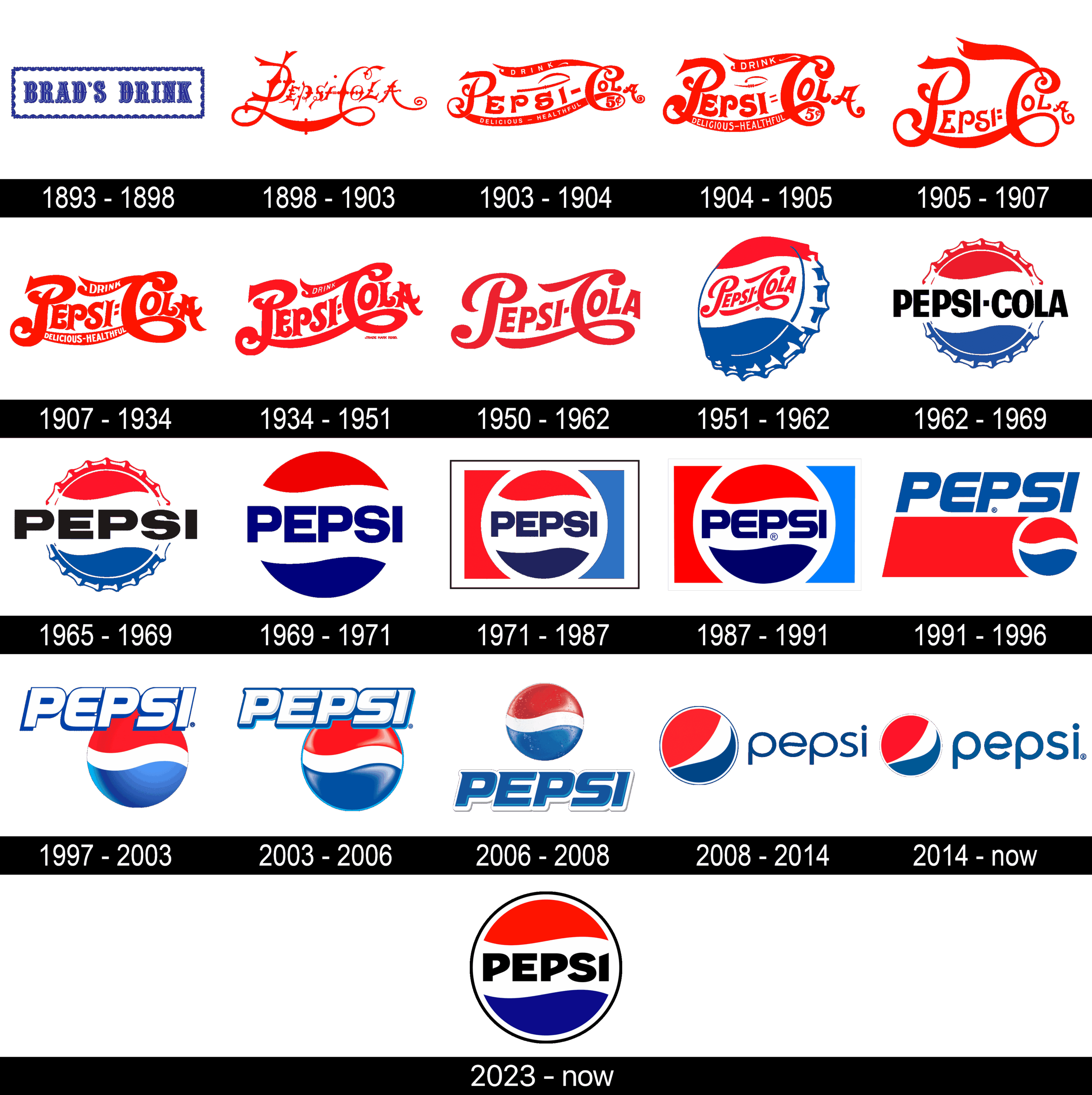
1893–1898: The Pharmacy Era — “Brad’s Drink” Takes Shape
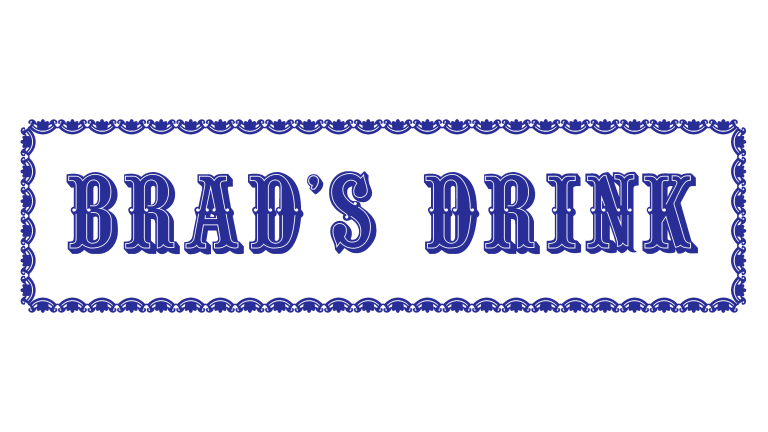
Before Pepsi was Pepsi, it was “Brad’s Drink,” a digestive tonic created by North Carolina pharmacist Caleb Bradham. The earliest visual identity was intentionally simple: a straightforward serif wordmark that matched the product’s pharmaceutical tone. At this stage, function mattered more than design—Pepsi was a remedy, not yet a refreshment.
Fun fact: The name Pepsi comes from “dyspepsia,” meaning indigestion—an early nod to the drink’s intended purpose.
1898–1903: Pepsi-Cola and the Rise of Decorative Script
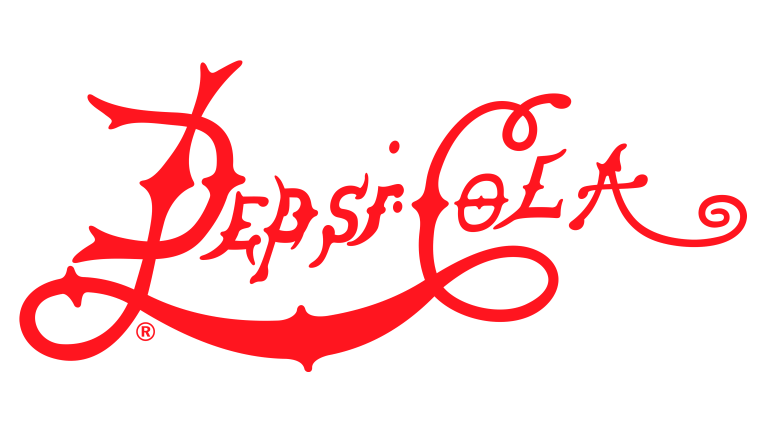
As Brad’s Drink transformed into Pepsi-Cola, its branding took a dramatic step forward. The new logo featured a flowing, red cursive script—energetic, expressive, and perfectly aligned with the era’s fascination for ornamental typography. Red was a strategic choice: vibrant, eye-catching, and ideal for storefront signage competing for attention on busy streets.
This period marked Pepsi’s true entry into the world of branding.
1903–1904: The Wishbone Experiment
The brief “wishbone” logo was one of Pepsi’s most unusual designs—a stylized combination of the letters P and C forming a shape reminiscent of a lucky charm. Though short-lived, it showed an early willingness to experiment visually and step outside the conventions of the time.
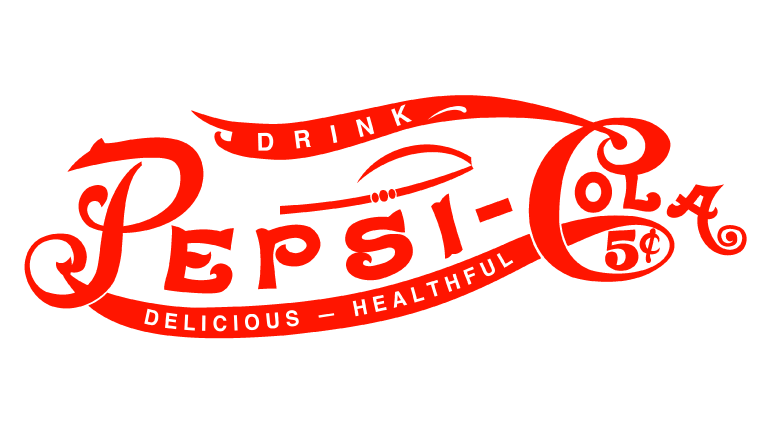
1904–1905: A Stronger, Bolder Wordmark
Pepsi moved toward a thicker, more masculine script in 1904, reflecting a broader trend in early 20th-century advertising: bold typefaces that could command attention from afar. The logo felt confident and modern for its time, helping Pepsi stand out as competition intensified.
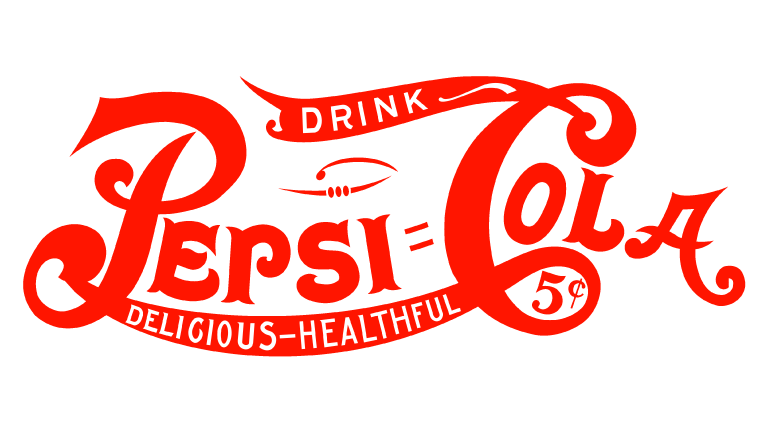
1905–1907: Refining the Script to Match the Market
Influenced by the success of Coca-Cola’s iconic script, Pepsi polished its own curves and lettering. The refinements made the brand feel more sophisticated, signaling Pepsi’s ambition to claim its own place in the soda market.
1907–1934: Returning to What Works
Pepsi circled back to a refined version of its earlier designs—proof that consistency can strengthen recognition. The thicker strokes and vibrant red lettering gave the brand a stronger visual presence, especially as its customer base grew.
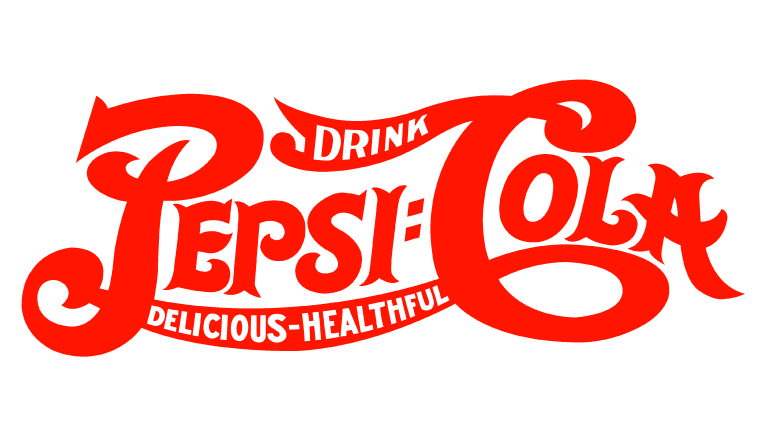
1934–1951: The Dynamic Diagonal Era
The 1934 redesign introduced a diagonal script and the word “Drink,” turning the logo into both brand identity and call-to-action. The angled layout created a sense of movement, perfectly fitting the energetic, optimistic mood of the post-Depression era.
1950–1962: A Modernist Shift
As the United States entered a new age of technology and style, Pepsi embraced modernism. The 1950s logo stripped away decorative elements in favor of clean shapes and flat colors. This clean, contemporary look translated beautifully to television—America’s newest advertising frontier.

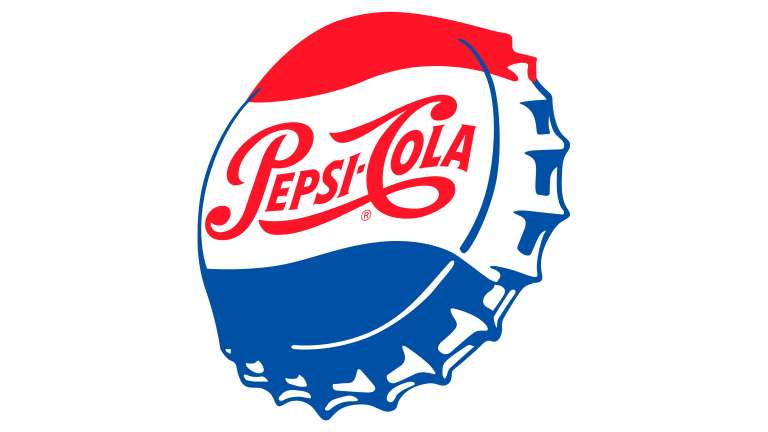
1951–1962: The Birth of the Bottle Cap Icon
One of Pepsi’s most celebrated designs arrived with the introduction of the bottle cap emblem. Combining the patriotic red, white, and blue palette with the tactile familiarity of a bottle top, this era cemented Pepsi as a distinctly American brand during a period of strong national identity.
1962–1969: The Globe Enters the Scene
In the space-age 1960s, Pepsi traded the literal bottle cap for an abstract globe. Paired with a bold sans-serif wordmark, the look was sleek, modern, and futuristic—perfect for a decade obsessed with innovation and exploration.
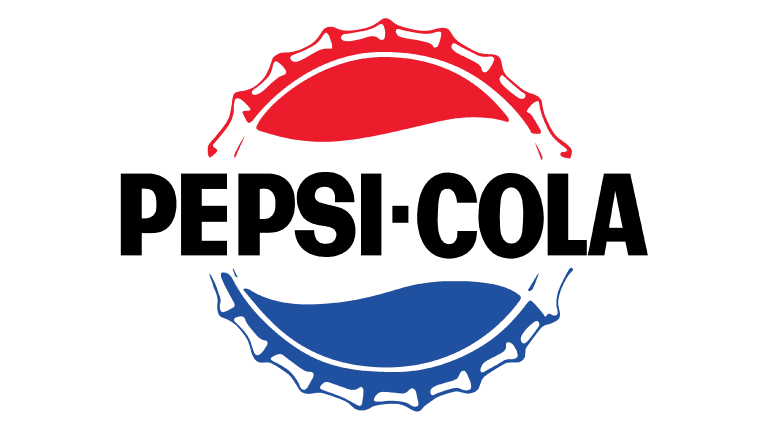
1969–1971: Deeper Blues, Stronger Identity
Pepsi deepened its signature blue and refined the circular emblem, reinforcing its cool, refreshing identity as it targeted younger consumers. This was a time when youth culture shaped trends, and Pepsi leaned directly into that cultural momentum.
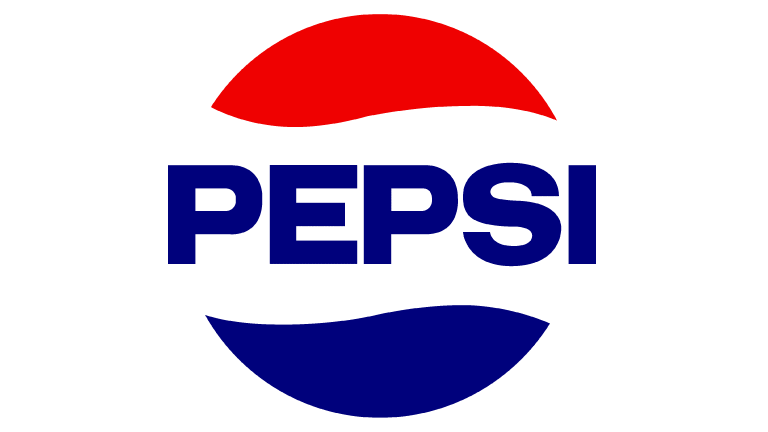
1971–1987: The Boxed Logo Era
Pepsi’s 1970s redesign introduced a rectangle framing the globe and wordmark. It was clean, structured, and highly adaptable—ideal for packaging, vending machines, billboards, and the rapidly globalizing market.
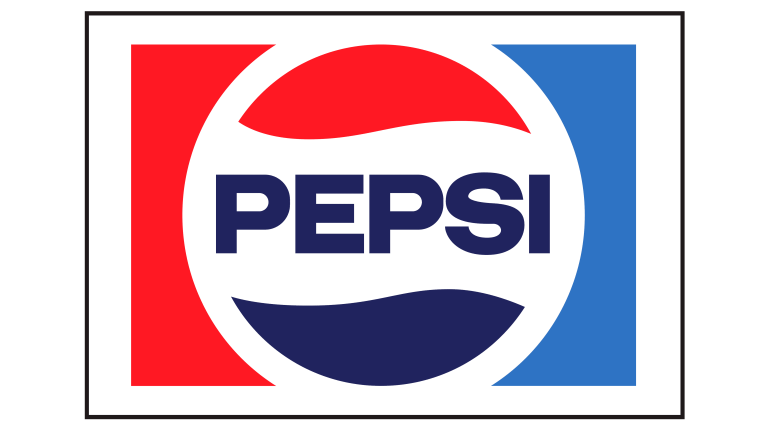
1987–1991: Breaking Out of the Box
The late 1980s brought a fresh, liberated look. Removing the rectangular frame created an open, modern style that matched the era’s emphasis on individuality and self-expression.
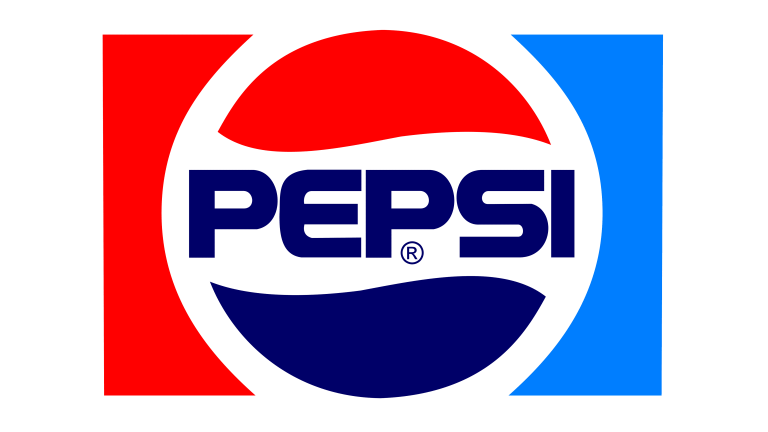
1991–1996: Expanding Into Global Territory
Pepsi’s 1991 logo featured a globe that extended beyond its usual boundaries, symbolizing growth and worldwide ambition. The design aligned with the brand’s “Choice of a New Generation” era, heavily tied to music, youth culture, and global pop icons.
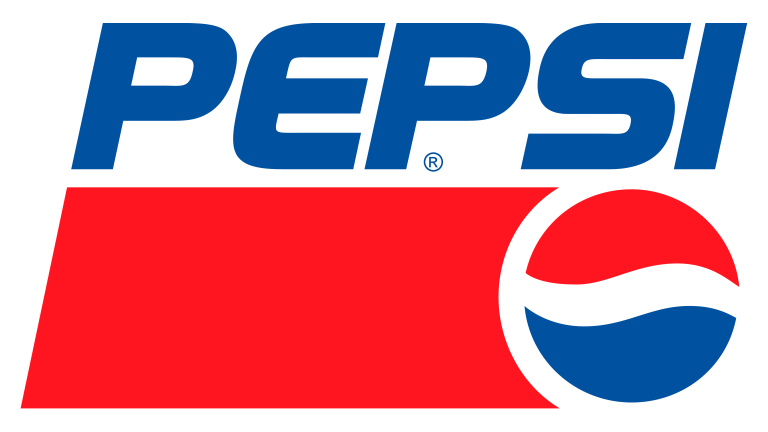
1996–1998: A Swirl of Energy
The mid-90s added a new swoosh, giving theemblem more movement and modern flair. It was dynamic, energetic, and perfectly suited to a decade obsessed with speed, technology, and transformation.
1998–2003: The Blue Revolution
Pepsi doubled down on blue, setting itself apart from Coke and leaning proudly into its own identity. The 3D globe against a rich blue backdrop was visually striking and perfectly aligned with the digital design trends of the late 90s.
2003–2006: Brighter, Glossier, More Digital
As the internet boomed, Pepsi shifted to a more polished, glossy look designed to pop on screens. Lighter blues, vibrant reds, and 3D highlights captured the optimism and tech-driven culture of the early 2000s.
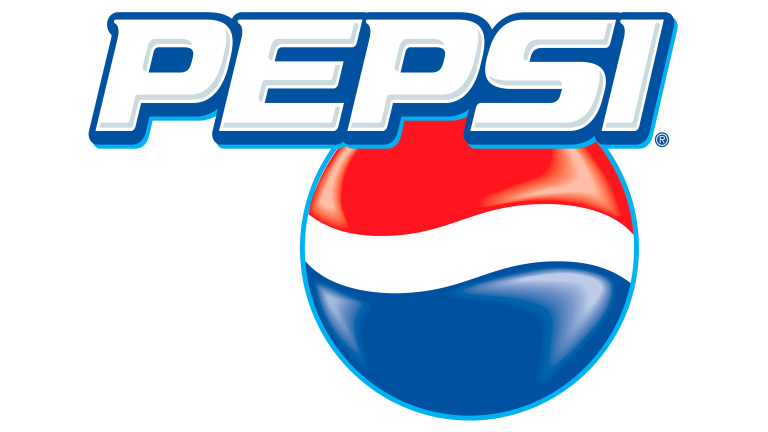
2006–2008: A Smoother, Softer Globe
The visual language became more refined—rounded, balanced, and internationally friendly. Pepsi was now a global lifestyle brand, and the logo’s evolution reflected this broader cultural positioning.
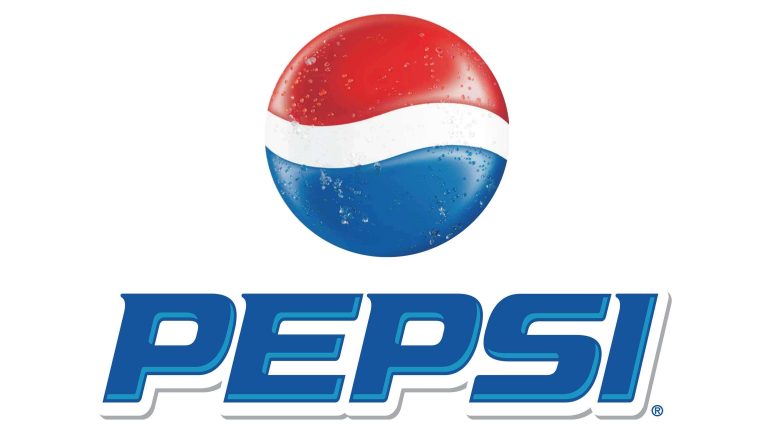
2008–2014: The Iconic Smile
The 2008 redesign introduced a new asymmetrical globe with a “smile”—a bold move symbolizing optimism, joy, and refreshment. It was a major shift in Pepsi’s logo history, representing a full brand transformation across packaging, advertising, and digital identity.
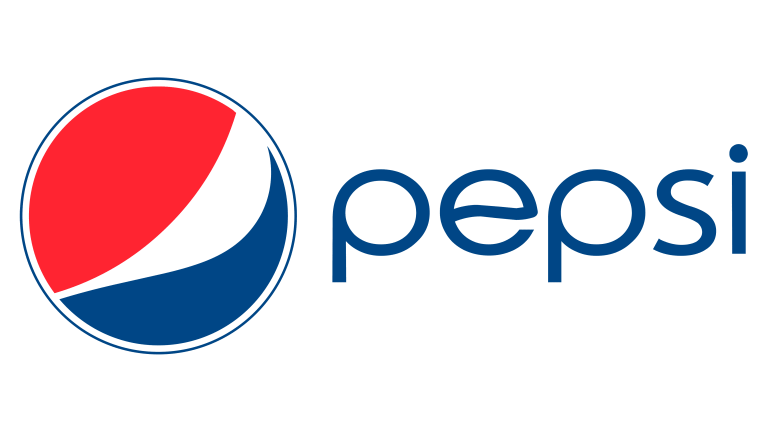
2014–2023: The Modern Minimalist Classic
Pepsi embraced flat design, pairing a clean 2D globe with a simplified wordmark. The lowercase lettering and custom sans-serif typeface gave the brand a friendly, contemporary look—ideal for mobile screens and modern media.
2023–Present: A Confident Return to Its Roots
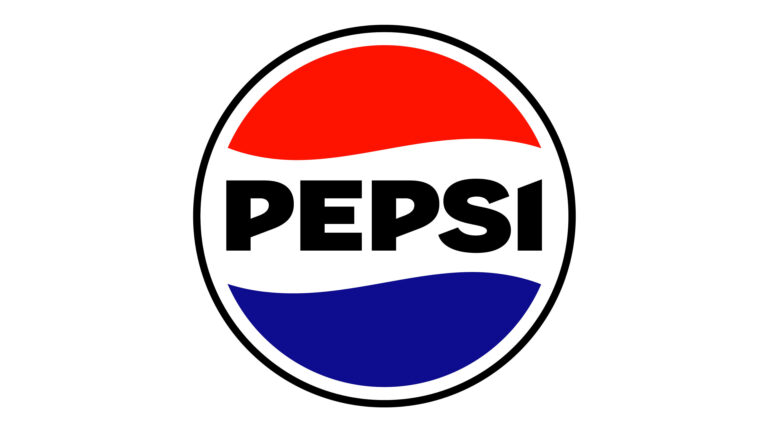
For its 125th anniversary, Pepsi reintroduced bold black outlines, a stronger typeface, and a globe reminiscent of its 1990s heritage. The result is a modern remix of classic Pepsi DNA—fresh, confident, and perfectly suited for today’s digital-first world. It feels nostalgic and contemporary at the same time, honoring the brand’s powerful logo heritage.
What the Pepsi Logo Really Represents
Patriotic Colors
The iconic red, white, and blue palette nods to Pepsi’s American roots and reinforces its place in America’s cultural story.
A Universal Circle
The globe symbolizes unity, connection, and Pepsi’s global reach—an emblem that works across cultures and continents.
Typography with Purpose
Every typeface Pepsi has used, from delicate cursive to bold sans-serif, reflects the brand’s evolving personality.
The Power of Simplicity
Pepsi proves that minimalism—done well—can be bold, recognizable, and timeless.
Heritage in Motion
Each redesign is a chapter in a long visual legacy, proving that Pepsi’s identity is both historic and continually evolving.
Conclusion: A Legacy Still Refreshing the World
The Pepsi logo’s evolution is a remarkable journey through design trends, cultural shifts, and brand innovation. From pharmacy counters to global stages, its identity has grown alongside American culture and expanded across the world. Each version preserves a piece of Pepsi’s logo heritage while pushing the brand boldly into the future. Next time you crack open a can, take a moment to appreciate the emblem—it’s a century-long story of creativity and reinvention, one sip at a time.
FAQ
What was the original Pepsi logo?
It was a simple serif wordmark for “Brad’s Drink,” reflecting its origins as a pharmacy tonic.
Why does Pepsi use red, white, and blue?
The colors honor the brand’s American roots and became a defining part of its visual identity.
When did the Pepsi globe first appear?
The globe emerged in the 1960s as Pepsi embraced modern, space-age design trends.
What inspired the 2008 “smile” logo?
It symbolized optimism, energy, and a refreshed brand personality for a new generation.
What’s special about the 2023 Pepsi logo?
It combines modern design with nostalgic elements from earlier decades, celebrating 125 years of brand heritage.
Why does Pepsi frequently update its logo?
To stay culturally relevant and reflect the evolving tastes, technologies, and design trends of each era.