Louis Vuitton Logo Heritage: Meaning, Evolution & History
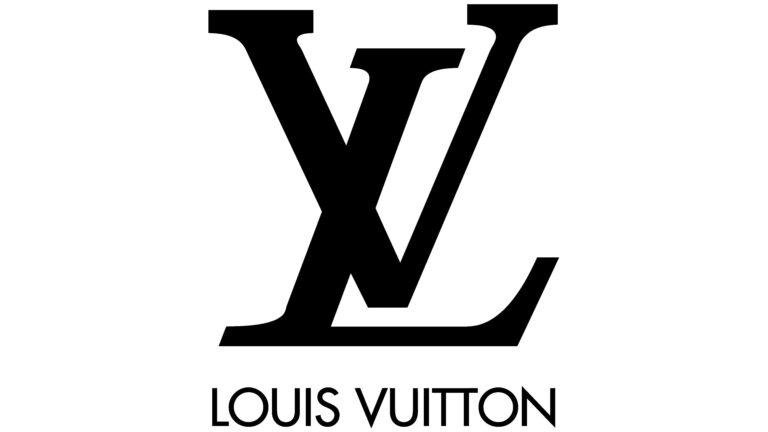
Few emblems in the world of luxury carry the same cultural weight and immediate recognition as the intertwined LV of Louis Vuitton. It is a symbol whispered in runways and photographed on red carpets, printed on the world’s most coveted trunks, bags, and accessories. But before the monogram became a global shorthand for luxury, it emerged from an extraordinary human story—one marked by resilience, craftsmanship, and visionary branding.
Founded in 1854 by Louis Vuitton, the Parisian trunk-maker who revolutionized travel with his waterproof flat-top luggage, the brand has grown into one of the most influential luxury houses on the planet. Its history is woven through centuries of artisanal tradition, bold innovation, and the enduring power of its unmistakable visual identity. The LV logo, virtually unchanged for more than 120 years, is a masterpiece of logo heritage—both a tribute to the founder and a symbol of exceptional craftsmanship that continues to shape modern luxury.
This article brings together the complete brand history and the full logo evolution into one coherent narrative, honoring the story behind one of fashion’s most iconic emblems.
A Journey That Defined a Legacy
The story of Louis Vuitton begins long before the brand existed. Orphaned at 13, Louis left his native village of Anchay and embarked on a 470-kilometer journey to Paris—on foot. Along the way, he worked as an apprentice in various towns, learning the value of meticulous craftsmanship. Once in Paris, he joined the workshop of Monsieur Maréchal, the city’s most respected maker of travel trunks.
After 17 years of perfecting his craft, Vuitton opened his own atelier in the mid-1850s. His breakthrough came with the Trianon trunk in 1858—a flat-top, waterproof canvas suitcase that revolutionized travel. The Paris elite—including Empress Eugénie—quickly embraced his creations.
With growing demand and an expanding clientele, Louis Vuitton built a brand that merged innovation with refined artistry, laying the foundation for the luxury empire the world knows today.
Georges Vuitton and the Birth of the LV Monogram
When Louis Vuitton died in 1892, leadership passed to his son Georges Vuitton, who inherited not just a thriving business, but also a challenge: counterfeiting. The brand’s growing success had attracted imitators, and Georges understood that only a bold, unmistakable symbol could protect the legacy his father built.
In 1896, he introduced what would become one of the most iconic symbols in logo history:
the LV monogram.
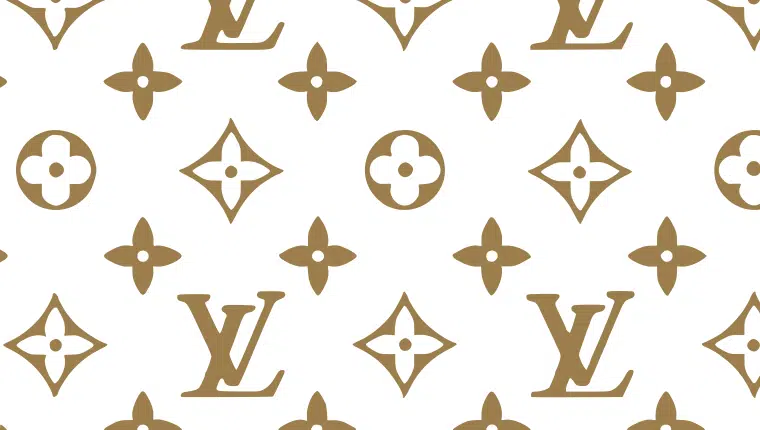
Inspired by Roman typography, the logo featured a bold, upright “V” intertwined with an elegant, italic “L.” Georges paired these initials with three floral symbols—a four-petal geometric flower, a rounded blossom, and a diamond-shaped motif. Together, they formed the Monogram Canvas, a pattern that would soon become synonymous with excellence and luxury.
What began as an anti-counterfeiting strategy became the signature identity of the brand for generations.
Louis Vuitton Logo and the Power of Monogram Design
The Louis Vuitton monogram demonstrates how craftsmanship and origin can evolve into global recognition. This approach to luxury branding is part of a wider pattern discussed in Luxury Fashion Logos Explained: Brand Origins and Meaning.
Logo Evolution: The LV Timeline
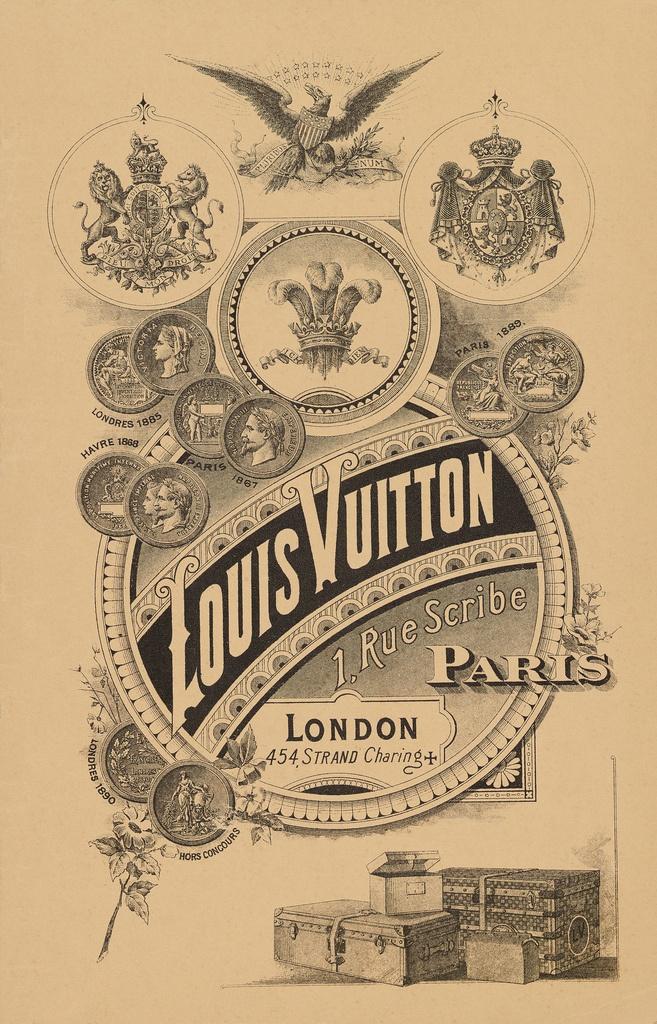
1896 – The Creation of the LV Monogram
Georges Vuitton unveils the original LV monogram along with floral motifs. Meticulously hand-drawn, the design sets a new visual standard for authenticity and craftsmanship. This was the official birth of the logo we still recognize today.
Early 1900s – A Global Design Signature
As Louis Vuitton expands beyond France into London, New York, and Buenos Aires, the monogram becomes the house’s universal stamp. It appears on trunks, luggage, and the earliest leather goods, reinforcing the brand’s strong identity across borders.
The 1950s – A Subtle Refinement
In the late 1950s, the monogram undergoes a light refinement. The adjustment is purely technical: the pattern is simplified to make it easier to apply to small items such as hardware, rings, and shoe elements. The essence remains identical.
1970s–1980s – Modern Applications
During this era, the monogram evolves from travel goods to a lifestyle symbol. The LV logo begins appearing more prominently on wallets, belts, small leather goods, and eventually accessories. The pattern becomes a hallmark of modern luxury.
1997 – Marc Jacobs and the Reinvention of LV
When Marc Jacobs joins Louis Vuitton as artistic director, he brings a new era of creativity. He removes the wordmark from under the monogram in certain branding contexts, allowing the LV symbol to stand completely on its own. The logo becomes a centerpiece of fashion, not just luggage.
2003–2010 – Artistic Collaborations
Jacobs collaborates with artists like Takashi Murakami, who reimagines the monogram in bright colors, and Stephen Sprouse, who overlays graffiti lettering on iconic bags. These reinterpretations modernize the LV logo while preserving its heritage.
2010s–Today – Contemporary Refinement
Designers continue to explore fresh interpretations of the monogram—Virgil Abloh, Nicolas Ghesquière, and others reinterpret the LV symbol in new materials, dimensions, and colors. Yet the core of the monogram remains untouched: a testament to its enduring power.
Throughout every decade, the LV monogram stays one of the few logos in luxury history to remain fundamentally unchanged since its creation.
Design Anatomy: What Makes the LV Iconic
The Louis Vuitton monogram succeeds because it embodies balance: elegance paired with boldness, minimalism paired with detail, and history paired with innovation.
The serif “L” dips under the straight “V,” creating a visual tension that feels both refined and confident. The logo’s proportion, weight, and spacing echo classical Roman typography, anchoring it in tradition while remaining timelessly modern. The floral motifs add rhythm and harmony, forming a pattern that feels ornamental yet disciplined.
Typography also plays a defining role. The wordmark beneath the monogram—when used—is set in a refined Futura-inspired sans-serif font, reinforcing the brand’s blend of heritage and forward-thinking style.
Color is restrained but powerful. While the logo is historically monochrome, Louis Vuitton has embraced warm brown tones, gold variants, and—during special collaborations—vibrant palettes that appeal to new audiences. No matter the shade, the LV symbol remains unmistakable.
Counterfeits and the Pursuit of Authenticity
Louis Vuitton is one of the most counterfeited brands in the world, with nearly 20% of seized counterfeit accessories in the EU bearing the LV motif. The company invests heavily in anti-counterfeiting practices—going as far as dedicating nearly 60 employees solely to this mission.
The creation of the Monogram Canvas itself was one of the earliest anti-fraud innovations in fashion. Today, Louis Vuitton continues to develop new materials, patterns, and authentication technologies to safeguard its heritage.
This commitment to authenticity is a central part of the brand’s identity, ensuring that the LV monogram remains a symbol of genuine craftsmanship, not imitation.
Why the Louis Vuitton Logo Endures
The magic of the LV monogram lies in its consistency. Unlike many brands that reinvent their logos every few years, Louis Vuitton has stayed loyal to the original 1896 design. This constancy builds trust, recognition, and emotional connection.
Just as important, the logo adapts gracefully. It lives beautifully on classic trunks, sculptural handbags, silk scarves, avant-garde runway pieces, and digital media. It evolves without losing its DNA—an ideal example of logo heritage executed with precision.
Louis Vuitton’s emblem is not just a logo. It is a manifesto of craftsmanship, a promise of quality, and a bridge between past and future.
FAQ: Louis Vuitton Logo History
What do the letters LV stand for?
They represent the initials of the founder, Louis Vuitton.
Why hasn’t the LV logo changed in over a century?
Because the original 1896 design remains timeless, functional, and instantly recognizable.
Who designed the Louis Vuitton monogram?
It was created by Georges Vuitton in tribute to his father and to protect the brand from counterfeiting.
What do the floral motifs on the Monogram Canvas symbolize?
They represent elegance, harmony, and craftsmanship, forming a decorative pattern that enhances the monogram.
Is Louis Vuitton the most counterfeited luxury brand?
It is among the top, with dedicated teams fighting counterfeits globally.