Los Angeles Clippers Logo History: Meaning, Symbolism & Brand Heritage
The Los Angeles Clippers logo history is inseparable from the franchise’s long search for stability, identity, and legitimacy within the NBA. Unlike legacy dynasties that built continuity through championships, the Clippers’ visual identity has been shaped primarily by relocation, rebranding, and reinvention. From Buffalo to San Diego and finally to Los Angeles, each move forced the organization to rethink not only its name, but also the symbols meant to represent it.
What makes the Clippers especially interesting from a branding perspective is their persistent reliance on the basketball as a central visual anchor. With only brief exceptions, the logo meaning has consistently revolved around the sport itself rather than mascots or characters. This places the Clippers alongside teams such as the Detroit Pistons logo history and the Brooklyn Nets logo history, franchises that also favored abstract, sport-driven symbolism over figurative imagery. Within the broader NBA logo history category, the Clippers stand as one of the clearest examples of how geography and ownership instability can directly influence logo heritage.
Meaning and History: The Origin of the Clippers Identity
The franchise was founded in 1970 as the Buffalo Braves, entering the NBA during a period of rapid league expansion. The early years were defined by experimentation, both on the court and visually. When the team relocated to San Diego in 1978 and adopted the Clippers name, the identity shifted toward a nautical theme, referencing fast sailing ships known as clippers. This was a sharp conceptual turn, but one rooted in local symbolism.
The 1984 move to Los Angeles marked the beginning of the Clippers’ longest and most challenging chapter. Sharing a city with one of basketball’s most iconic brands forced the organization to seek differentiation through visual clarity rather than legacy. Over time, the Clippers logo heritage evolved from transitional designs into a more intentional effort to establish a distinct, modern identity—an evolution that mirrors the branding struggles seen in teams like the New Jersey Nets logo history before their reinvention.
Los Angeles Clippers Logo History Timeline
1970–1971: Early Buffalo Braves Foundations
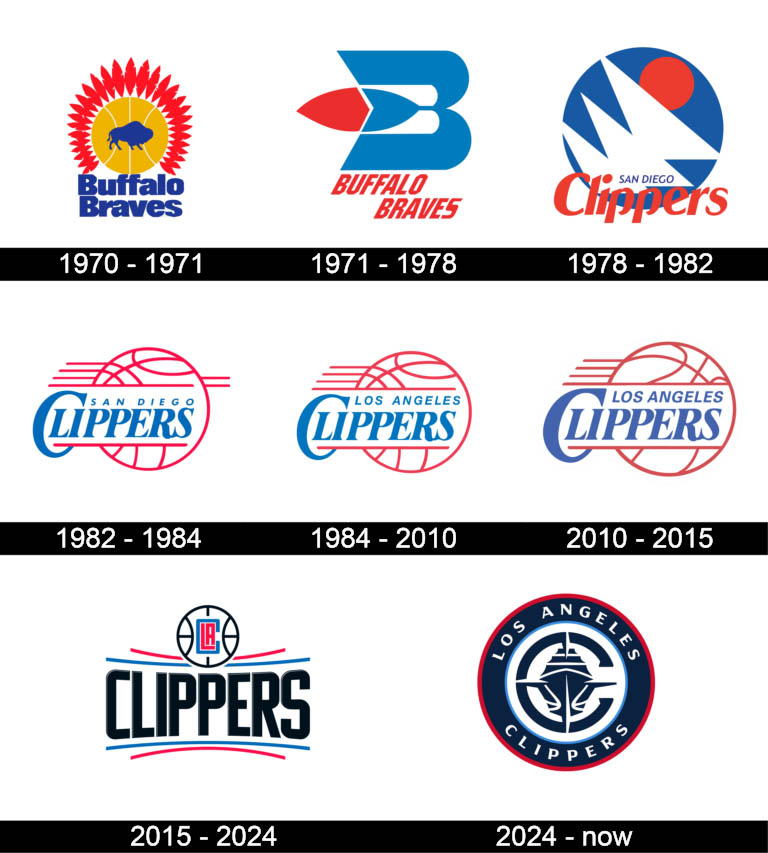
Although the Clippers name did not yet exist, the franchise’s earliest visual identity emerged during the Buffalo Braves era. This period laid the groundwork for later redesigns, emphasizing the basketball as a core symbol even before the team’s relocations began.
1971–1978: Buffalo Braves and Cultural Symbolism
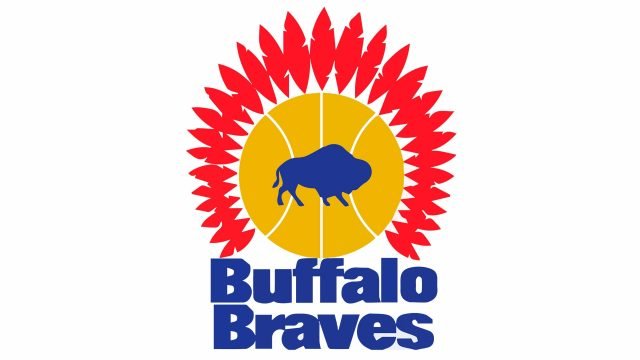
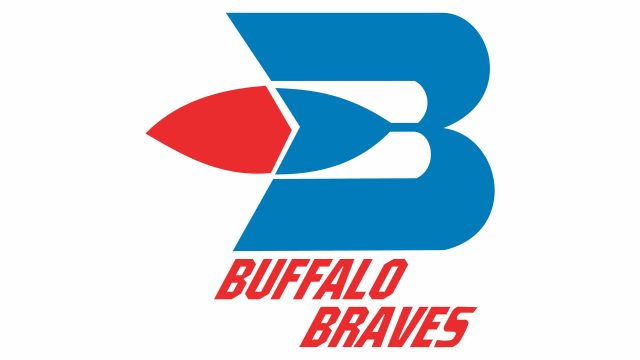
The 1971 redesign introduced a striking new concept built around a stylized capital “B” in blue, white, and red. The feather-like detailing referenced Native American heritage, a bold and culturally driven design choice that set this logo apart from typical NBA branding of the era. While visually sophisticated, the emblem remained closely tied to Buffalo and could not survive relocation.
1978–1982: San Diego Clippers and Nautical Identity
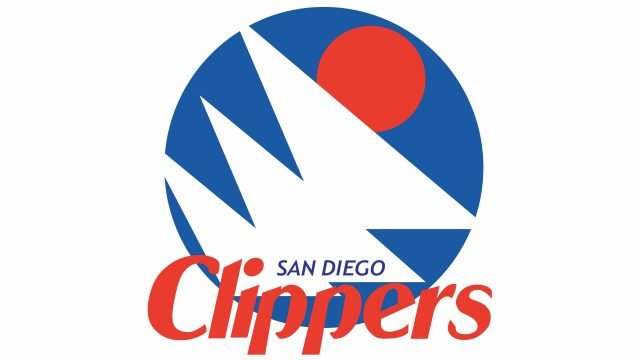
The first true Clippers logo debuted in San Diego in 1978. Three overlapping triangular sails and a rising red sun formed the core of the badge, visually reinforcing the maritime origin of the team’s new name. The basketball took a secondary role, as the logo focused more on place-based symbolism than sport-specific imagery.
1982–1984: Transition Toward Basketball-Centric Design
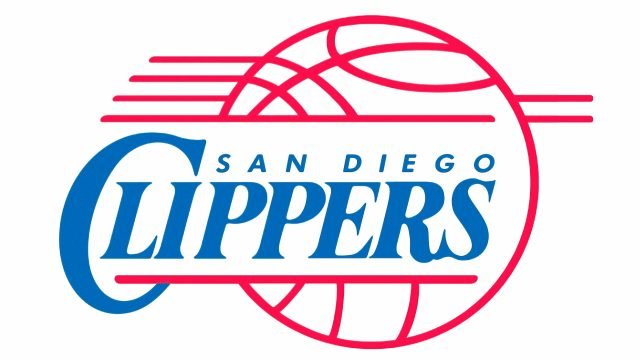
In 1982, the logo pivoted decisively back toward basketball. A red-and-white ball with blue lettering and dynamic horizontal stripes conveyed speed and athleticism. This redesign marked the beginning of a long-standing trend in Clippers logo history: prioritizing the sport itself over abstract themes.
1984–2010: Los Angeles Era and Long-Term Stability
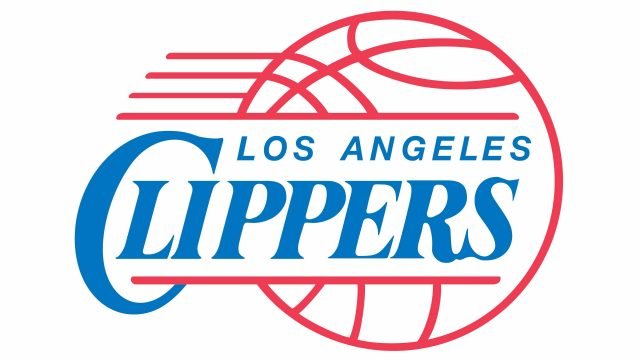
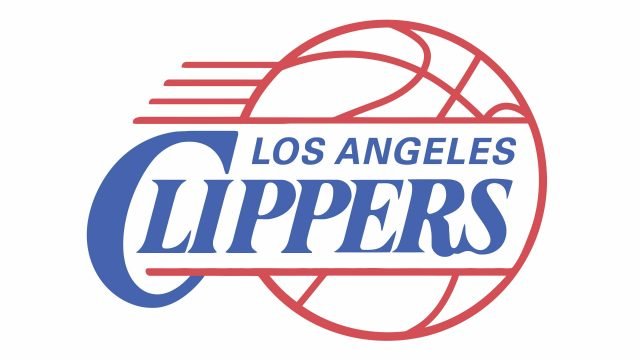
Following the move to Los Angeles, the logo was adjusted rather than reinvented. The primary change was geographic, replacing “San Diego” with “Los Angeles,” while the color palette became deeper and more refined. This version remained in use for over twenty years, making it one of the longest-running logos in franchise history and a foundational piece of Clippers logo heritage.
2010–2015: Modern Refinement and Stronger Presence
The 2010 update focused on tonal refinement. Darker blues and reds added weight and seriousness to the identity, while subtle typographic adjustments improved legibility and professionalism. This redesign coincided with a renewed push for competitiveness and relevance within the league.
2015–2024: Monogram Identity and Brand Experimentation
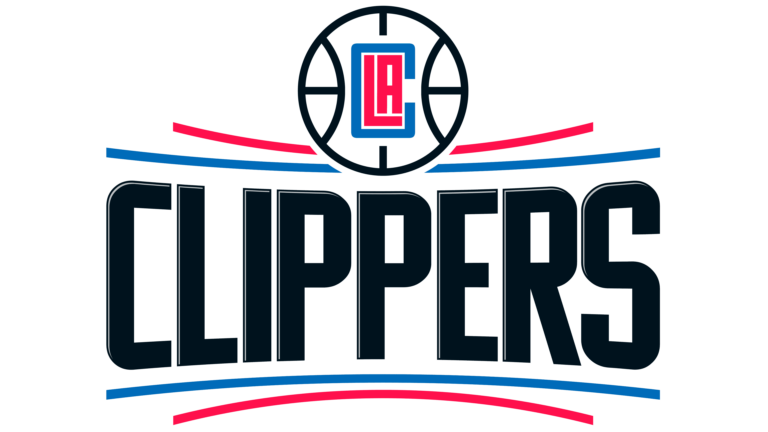
In 2015, the Clippers introduced a radically different concept. A stylized basketball containing a “CLA” monogram sat above a bold, all-caps wordmark. Horizontal red and blue lines added structure and balance. While modern, this logo was divisive, often compared to experimental rebrands seen elsewhere in NBA logo history during the 2010s.
2024–Today: Maritime Revival and Symbolic Depth
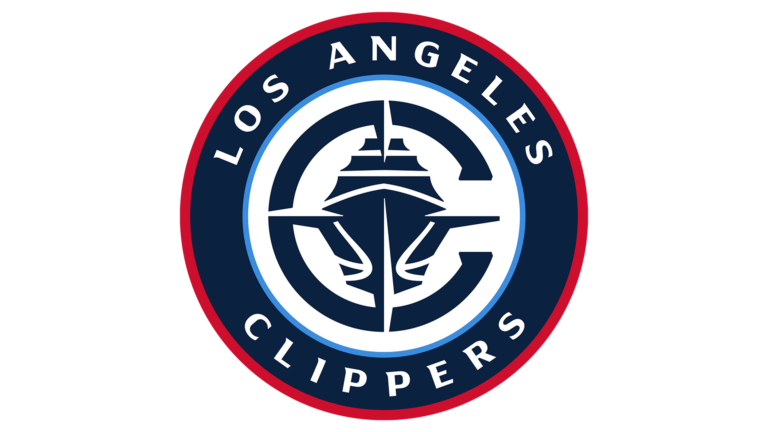
The 2024 redesign represents the most conceptually ambitious logo in Clippers history. A circular medallion features a maritime steering wheel at its center, enclosed within a custom capital “C.” Navy dominates the palette, accented by white typography and a thin red outline. This logo reconnects the franchise with its nautical roots while presenting a sophisticated, modern emblem designed for long-term use.
Logo Symbolism: Basketball, Navigation, and Direction
The Clippers logo symbolism has evolved from cultural references to movement, navigation, and control. Basketballs consistently represent the sport itself, while circles suggest unity and continuity. The newest emblem adds the steering wheel as a metaphor for leadership, direction, and deliberate progress—an especially meaningful symbol for a franchise historically criticized for a lack of direction.
Color choices reinforce this narrative. Red conveys intensity and competition, blue suggests trust and stability, white provides clarity, and navy introduces authority. The restrained use of silver adds a subtle premium feel without overpowering the core palette.
The Clippers’ Logo Heritage as a Story of Reinvention
The Los Angeles Clippers logo history is ultimately a story of persistence. Few franchises have faced as many identity challenges, yet the Clippers have continued to refine their visual language rather than abandon it entirely. Their logo heritage reflects a gradual move away from instability toward intention, symbolism, and confidence.
By embracing both basketball-centric design and deeper symbolic meaning, the Clippers have positioned their current logo as a long-term foundation rather than another temporary fix. Within the evolving landscape of NBA logo history, the Clippers now stand closer than ever to owning an identity that feels authentic, distinctive, and future-focused.
FAQ: Los Angeles Clippers Logo Meaning and History
What does the Los Angeles Clippers logo represent?
The logo represents basketball, direction, and control, with recent designs incorporating navigation symbolism tied to the team’s nautical name.
Why did the Clippers change their logo so often?
Frequent relocations and ownership changes forced repeated rebranding efforts, each reflecting a new phase in the franchise’s identity.
When was the current Clippers logo introduced?
The current logo debuted in 2024 as part of a comprehensive brand reset.
What colors define the Los Angeles Clippers logo?
The primary colors are navy blue, red, white, and subtle silver accents.