Husqvarna Logo History: Meaning, Symbolism & Brand Heritage

Husqvarna is one of the oldest industrial brands in the world, with origins dating back to 1689 in Sweden. Initially founded as a weapons manufacturer, the company has evolved into a global leader in outdoor power equipment, including chainsaws, lawnmowers, and garden tools. Similar to Stihl Logo History and Makita Logo History, Husqvarna reflects a strong industrial identity shaped by engineering tradition and long-term consistency. Within the broader landscape of industrial and manufacturing logos, its visual identity stands out for its deep historical roots and symbolic continuity.
The Husqvarna logo history is a rare example of a brand that has preserved its original concept for centuries. While the design has been refined over time, its core symbolism remains directly connected to the company’s origin.
Husqvarna Logo Meaning and History: From Muskets to Modern Engineering
The origin of the Husqvarna logo is deeply tied to its beginnings as a firearms manufacturer. Founded in the 17th century, the company produced muskets for the Swedish army, and its earliest visual identity was inspired by the sight mechanism of a gun.
This influence remains visible in the modern emblem. The circular shape with vertical elements represents the front sight of a musket, symbolizing precision, accuracy, and technical mastery.
Over time, as Husqvarna expanded into motorcycles, chainsaws, and outdoor equipment, the logo meaning evolved while retaining its original reference. This continuity is central to Husqvarna logo heritage, where history is not replaced but refined.
Husqvarna Logo Symbolism: Precision, Legacy, and Industrial Identity
The Husqvarna logo symbolism is both historical and functional. The central emblem, derived from a gun sight, communicates precision and focus, qualities that remain essential to the brand’s products.
The circular form represents unity and completeness, while the upward lines introduce direction and control. Together, these elements create a visual identity that reflects both heritage and technical expertise.
Unlike purely modern logos, Husqvarna’s design carries historical depth. It connects the brand’s past with its present, reinforcing a sense of authenticity and long-standing reliability.
Husqvarna Logo History Timeline: Evolution of a Historic Industrial Emblem
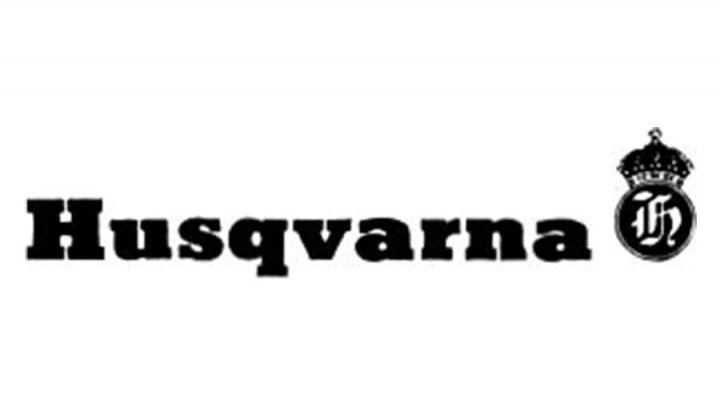
1912–1973: Classic Emblem and Serif Wordmark Identity
The 1912 logo introduced a more structured and traditional composition. It featured a bold serif wordmark paired with an emblem positioned to the side.
The emblem included a circular badge topped with a crown-like element, referencing the brand’s historical roots and royal associations. Inside the circle, a detailed monogram added a sense of craftsmanship and legacy.
This version emphasized heritage and prestige, aligning with the company’s long-standing history.
1973–2012: Introduction of the Modern Iconic Blue Emblem
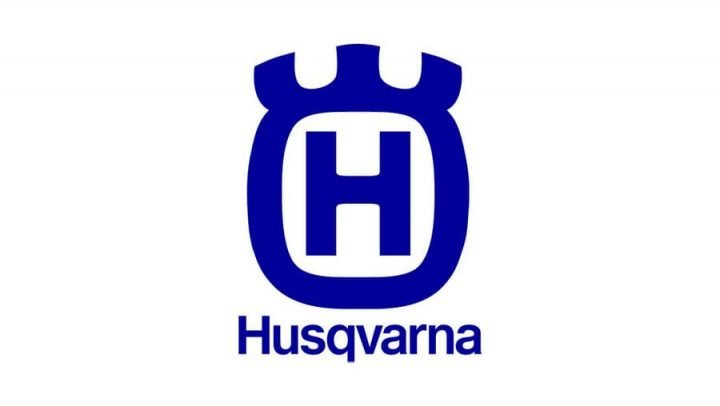
In the early 1970s, Husqvarna introduced the foundation of its modern logo. The emblem was redesigned into a simplified, geometric form enclosed within a rounded square.
The iconic symbol retained its reference to the musket sight but was modernized with cleaner lines and a bold blue color. A sans-serif wordmark was added below, improving readability and adapting the brand to contemporary design standards.
This redesign marked a major shift in Husqvarna logo history, balancing tradition with modern industrial aesthetics.
2012–Present: Refined Typography and Corporate Brand Structure
In 2012, the logo received a subtle refinement. The blue color was deepened, giving the identity a more stable and professional appearance.
The wordmark was updated to include “Husqvarna Group,” using a more balanced and rounded sans-serif typeface. This change reflected the company’s global corporate structure while maintaining the integrity of the emblem.
Despite these updates, the core symbol remained unchanged, reinforcing the strength of Husqvarna logo heritage.
Husqvarna Logo Typography and Color: Stability, Precision, and Trust
Typography in the Husqvarna logo has evolved from classic serif styles to a modern sans-serif approach. The current typeface is clean, geometric, and highly legible, reflecting professionalism and technical precision.
The spacing and proportions are carefully adjusted, creating a balanced and stable appearance that aligns with the brand’s engineering focus.
Color plays a critical role in the logo description. The deep blue tone symbolizes reliability, expertise, and confidence. It also reinforces the brand’s Scandinavian identity, where simplicity and functionality are key design principles.
The combination of structured typography and a calm color palette results in a visual identity that feels both modern and deeply rooted in tradition.
The Evolution of the Husqvarna Logo: A Legacy of Precision and Brand Heritage
The Husqvarna logo history is a powerful example of how a brand can evolve without losing its core identity. By preserving the original symbolism while refining its execution, Husqvarna has built a logo that remains relevant across centuries.
Its logo heritage reflects a commitment to precision, durability, and authenticity. Rather than following design trends, the brand has focused on continuity, allowing its identity to grow naturally alongside its products.
In a rapidly changing market, the Husqvarna logo stands as a symbol of stability and long-term vision.
Husqvarna Logo History FAQ: Meaning, Symbolism, and Evolution
What does the Husqvarna logo symbolize?
It represents a gun sight, symbolizing precision, accuracy, and technical expertise.
Why does the Husqvarna logo look like a crown?
The shape includes elements inspired by historical emblems and royal symbolism, reflecting the brand’s heritage.
When was the Husqvarna logo first created?
The original concept dates back to the company’s founding in 1689.
What changed in the Husqvarna logo over time?
The design was simplified and modernized, but the core symbol remained the same.
What do the colors in the Husqvarna logo mean?
The blue color represents reliability, professionalism, and trust.