
Hotel Logos: History, Meaning, and the Visual Language of Global Hospitality
In the hospitality industry, trust is everything. Long before a guest steps into a lobby or checks into a room, the hotel logo has already done most of the work. It signals safety, comfort, status, consistency, and experience. Unlike other industries where logos can afford to be playful or abstract, hotel branding operates in a space where reassurance and recognition are essential. A successful hotel logo is not designed to impress at first glance, but to feel familiar, dependable, and quietly authoritative.
Over decades of global expansion, hotel brands have refined their visual identities to function across cultures, platforms, and price segments. From luxury resorts to business-focused chains, hotel logos reveal how typography, color, and symbolism shape perception in one of the world’s most competitive service industries.
Why Hotel Logos Matter More Than Ever
Hotels sell an invisible product. Before arrival, guests cannot touch the bed, test the service, or experience the atmosphere. What they see instead is the brand identity: the name, the logo, and the promise embedded within it. This is why hotel logos rarely rely on complex illustrations or aggressive symbolism. Clarity, balance, and repetition matter more than novelty.
As booking platforms became digital-first, hotel logos also evolved. They needed to remain legible on mobile screens, recognizable in crowded search results, and consistent across thousands of properties worldwide. The result is a branding landscape dominated by strong wordmarks, restrained color palettes, and subtle emblematic elements.
Hilton Logo: Global Trust Built on Simplicity
Few hotel logos carry the same level of global recognition as Hilton. Its bold wordmark and iconic “H” symbol represent more than a brand name; they reflect nearly a century of standardization and reliability. Hilton’s logo is designed to be instantly readable in airports, city centers, and booking apps alike.
The restrained typography and neutral color choices reinforce stability rather than luxury excess. Hilton positions itself as a universal constant, a brand travelers can trust regardless of geography. This approach has allowed the logo to age gracefully, adapting to digital environments without losing authority.
Marriott Logo: Corporate Scale with Human Familiarity
The Marriott logo reflects one of the largest hospitality portfolios in the world, yet it avoids feeling impersonal. Its clean, understated wordmark conveys professionalism, scale, and consistency. Marriott’s branding strategy prioritizes cohesion, ensuring the logo works seamlessly across diverse hotel experiences while maintaining a unified identity.
Rather than relying on symbols, Marriott emphasizes name recognition. This choice reinforces credibility, especially for business travelers who associate the brand with predictability and operational excellence.

Hyatt Logo: Modern Hospitality with Architectural Influence
The Hyatt logo balances warmth and modernity through its distinctive typography. The clean lines and symmetrical letterforms mirror architectural precision, subtly reinforcing the brand’s focus on design-forward properties and curated experiences.
Hyatt’s visual identity feels contemporary without being cold. The logo supports a positioning that appeals to both business and leisure travelers seeking a refined but approachable stay.

Four Seasons Logo: Luxury Through Restraint
Luxury hospitality demands a different visual language, and Four Seasons exemplifies this perfectly. Its logo, centered around a stylized tree, communicates longevity, growth, and balance. Unlike mass-market hotel brands, Four Seasons does not rely on bold typography or high-contrast colors.
The serif typeface and symbolic emblem convey quiet confidence. This logo is not designed to dominate a skyline or shout for attention. Instead, it reflects exclusivity, discretion, and heritage, qualities deeply associated with high-end travel experiences.

Ritz-Carlton and the Language of Heritage
Although luxury hotel logos often appear understated, they are carefully constructed to suggest tradition and prestige. Brands like Ritz-Carlton rely on heraldic motifs, serif typography, and classical proportions to evoke old-world refinement.
These logos function almost like crests, reinforcing the idea that staying at such properties is not just accommodation, but participation in a legacy of service and elegance.
Accor Logo: Corporate Identity in a Global Portfolio
The Accor logo represents a different branding challenge. As a global hospitality group managing multiple hotel concepts, Accor’s identity focuses on clarity and corporate credibility rather than emotional storytelling. Its minimal, modern wordmark positions the company as a global operator rather than a destination brand.
This approach allows Accor’s individual hotel brands to develop distinct visual identities while remaining connected under a recognizable corporate umbrella.
IHG Logo: Consistency Across Continents
The InterContinental Hotels Group (IHG) logo reflects strategic restraint. Clean typography and a neutral color scheme ensure flexibility across markets and cultures. IHG’s branding prioritizes operational trust and international reach, essential qualities for travelers navigating unfamiliar destinations.
Rather than using imagery tied to place or culture, IHG’s logo remains deliberately universal.

Sheraton Logo and the Legacy of Classic Hospitality
The Sheraton logo carries echoes of mid-century hotel branding, where elegance and authority were conveyed through refined letterforms and balanced proportions. Over time, Sheraton modernized its visual identity while preserving the sense of tradition associated with its name.
This evolution reflects how established hotel brands adapt to contemporary design expectations without erasing their heritage.

Holiday Inn Logo: Accessibility and Comfort
In contrast to luxury-focused identities, Holiday Inn uses a friendly, approachable logo designed to appeal to families and casual travelers. Its recognizable typography and color palette emphasize comfort, affordability, and familiarity.
The logo’s success lies in its emotional consistency. Guests know what to expect, and the branding reinforces that promise at every touchpoint.

Radisson Logo and Crowne Plaza Logo: Business Travel Signals
Brands like Radisson and Crowne Plaza occupy a space where professionalism meets comfort. Their logos use structured typography and restrained color choices to appeal to business travelers who prioritize efficiency and reliability.
These identities avoid excess ornamentation, instead reinforcing clarity and confidence.
How Hotel Logos Shape Booking Decisions
Studies in hospitality branding consistently show that recognizable logos increase booking confidence. When faced with dozens of unfamiliar options, travelers gravitate toward names and symbols they recognize. Hotel logos function as mental shortcuts, reducing perceived risk and reinforcing brand loyalty.
This is especially important in international travel, where language barriers and cultural differences make visual recognition essential.
The Evolution of Hotel Logo Design
Over time, hotel logos have become flatter, cleaner, and more adaptable. Decorative elements have been reduced in favor of scalable typography and simplified symbols. This shift mirrors broader branding trends but is particularly critical in hospitality, where consistency across digital and physical environments is non-negotiable.
Despite these changes, the core principles remain unchanged: clarity, trust, and emotional reassurance.
Why Hotel Logos Rarely Change Drastically
Hotel logos are among the most stable visual identities in global branding, and this is no coincidence. In the hospitality industry, trust is built slowly and lost quickly, and a logo functions as a visual promise that the guest experience will be consistent, reliable, and familiar across decades and continents. Unlike technology or fashion brands, where constant reinvention signals innovation, hotel brands rely on continuity as a core asset.
A hotel logo is not designed to follow trends, but to outlast them. Many iconic hotel logos were created to evoke permanence, refinement, and calm rather than disruption. Subtle typography, restrained color palettes, and classic symbols communicate stability and heritage, qualities that travelers subconsciously associate with safety, comfort, and quality service. A drastic logo redesign could unintentionally signal instability or a shift away from the values guests trust.
Another reason hotel logos evolve slowly lies in their deep emotional associations. For many travelers, a hotel logo is tied to memories of important life moments—family vacations, business milestones, honeymoons, or long-term stays. These emotional connections give hotel logos a symbolic weight that goes far beyond aesthetics. Preserving visual identity helps preserve those memories, reinforcing brand loyalty across generations.
From a strategic branding perspective, hotel groups operate globally, often managing dozens of sub-brands under a single corporate umbrella. Consistency in logo design ensures instant recognition across markets, languages, and cultures. Minor refinements, such as cleaner typography or modernized spacing, allow brands to stay relevant without compromising recognizability. This approach aligns perfectly with long-term logo history principles, where evolution is gradual rather than revolutionary.
In the luxury hospitality segment especially, restraint is a signal of confidence. Brands that rarely change their logos communicate that their identity does not need constant validation. The logo becomes a seal of heritage, authority, and timeless value, reinforcing positioning in premium and high-RPM advertising categories.
Ultimately, hotel logos rarely change drastically because they are designed to represent permanence in a transient world. As travelers move constantly between cities and countries, the logo remains a fixed point of trust. In this way, hotel logo history reflects not just branding strategy, but a deeper understanding of human psychology, memory, and the desire for continuity in travel experiences.
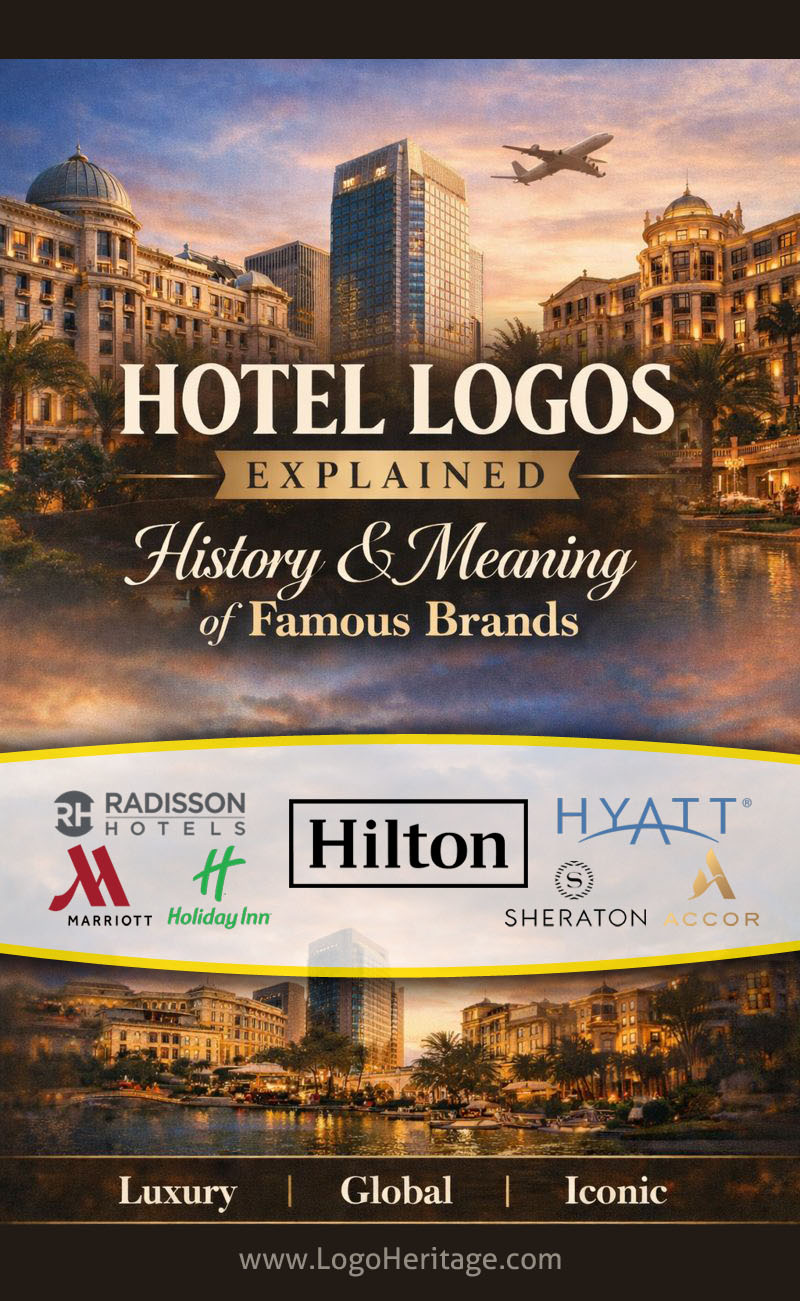
Hotel Logos as Silent Brand Ambassadors
Hotel logos operate quietly, but their influence is profound. They guide booking decisions, shape expectations, and reinforce trust long before a guest arrives. Whether signaling luxury, reliability, or accessibility, these logos act as silent ambassadors for the experiences they represent.
In a global industry where consistency and reputation determine success, hotel logos remain one of the most powerful tools in hospitality branding. Their enduring designs demonstrate that effective visual identity is not about standing out loudly, but about being remembered, trusted, and chosen again.
FAQ Hotel Logos
What makes hotel logos different from other brand logos?
Hotel logos are designed to communicate trust, comfort, and consistency rather than novelty. They must reassure guests before any physical experience takes place.
Why do luxury hotel logos look more traditional?
Luxury hospitality relies on heritage, exclusivity, and timeless appeal. Traditional typography and symbols reinforce these values more effectively than modern trends.
Do hotel logos influence booking decisions?
Yes. Recognizable hotel logos reduce perceived risk and increase confidence, especially for international or first-time travelers.
Why do hotel brands rarely change their logos?
Major logo changes can disrupt trust and recognition. Most hotel brands evolve their logos gradually to maintain continuity.
Which hotel logo styles generate the most trust?
Clean wordmarks, balanced proportions, and restrained color palettes consistently perform best in hospitality branding.