
Bvlgari Logo History: Meaning, Symbolism & Brand Heritage

Among the great European luxury houses, Bulgari holds a unique position—bridging Greek silversmithing traditions, Italian artistic heritage, and modern international luxury culture. Founded in 1884 by Sotirios Boulgaris, a gifted silversmith who relocated from the mountains of Epirus to the heart of Rome, the maison evolved from a small jewelry shop on Via Sistina into one of the world’s most recognizable luxury brands. Its creations—defined by bold proportions, colored gemstones, and architectural inspiration—have adorned royalty, film stars, and collectors for generations.
The Bulgari logo plays a crucial role in this legacy. Its evolution reflects the brand’s identities across time: from early artisanal roots to modern luxury powerhouse. The adoption of the classical “V” in place of “U” transformed the wordmark into an emblem of Roman heritage, anchoring Bulgari visually to the ancient world while celebrating the maison’s contemporary craftsmanship. Today, the Bulgari logo stands as a symbol of timeless elegance, geometric clarity, and cultural prestige.
Bvlgari Meaning and Symbolism
The Bulgari identity is shaped by two enduring themes: classical Rome and artisanal excellence. The iconic “BVLGARI” wordmark, with its distinctive use of the Latin “V,” does more than reference the past—it creates a bridge between antiquity and modernity. It symbolizes Rome’s architectural heritage, monumental design, and enduring artistic spirit.
This classical reference is intentional. Bulgari’s jewelry, watches, and leather goods often draw inspiration from ancient Roman mosaics, arches, and geometric motifs. The logo embodies this connection, serving as a visual shorthand for Italian grandeur and the maison’s mastery of refined, sculptural aesthetics.
Bvlgari Brand Heritage
The story of Bulgari begins with Sotirios Boulgaris, born in 1857 into a family of Greek silversmiths. Trained in the traditional art of metalwork, he brought his craft from Greece to Corfu, then Naples, and finally Rome, where he opened his first boutique in 1884. As his clientele grew, his reputation for exceptional silversmithing and innovative gemstone settings established Bulgari as a name synonymous with artisanal excellence.
By the early twentieth century, Bulgari had transitioned from a silversmithing atelier into a jewelry maison known for its bold style—a striking contrast to the delicate Parisian designs that dominated European luxury. The brand’s creative direction embraced Mediterranean vibrancy, architectural forms, and large, colorful gemstones arranged in distinctive cuts, earning global admiration.
In 2011, Bulgari entered a new chapter when it joined the LVMH group, strengthening its international presence while preserving the family’s artistic influence. Throughout these transformations, the Bulgari logo remained a constant emblem of the maison’s Roman identity and its mastery of luxurious craftsmanship.
Bvlgari Logo History & Evolution Timeline
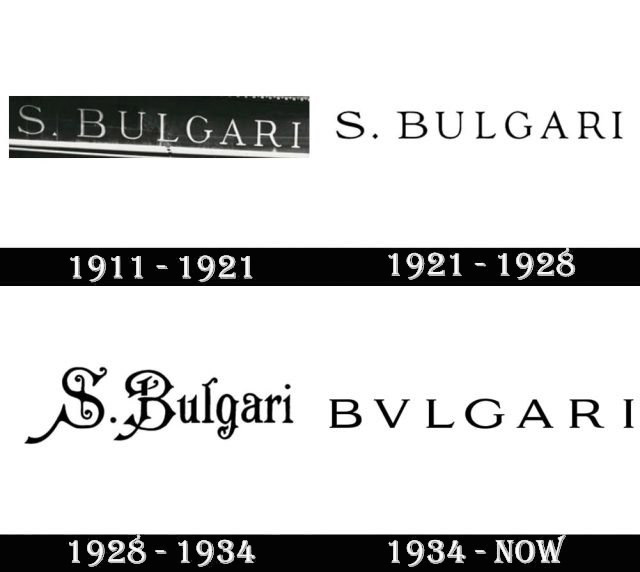
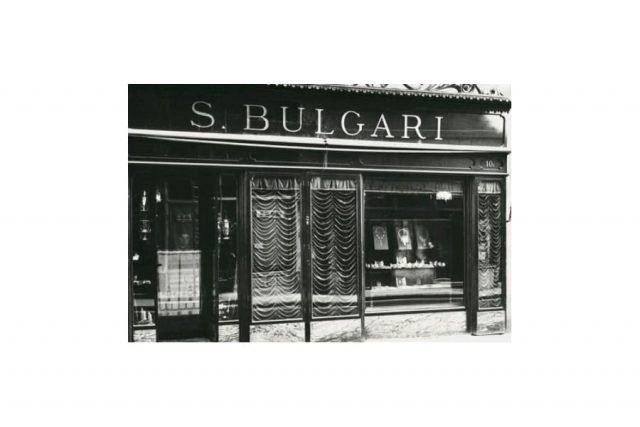
1911–1921: The Early Shopfront Identity
The earliest documented Bulgari logo appears in a 1911 photograph of the Via Sistina storefront. The inscription “S. Bulgari” honored the founder, Sotirios Boulgaris. Rendered in an ornate serif style, the sign conveyed artisanal prestige and bespoke craftsmanship. This was a period rooted in silversmithing tradition, and the logo reflected that heritage.
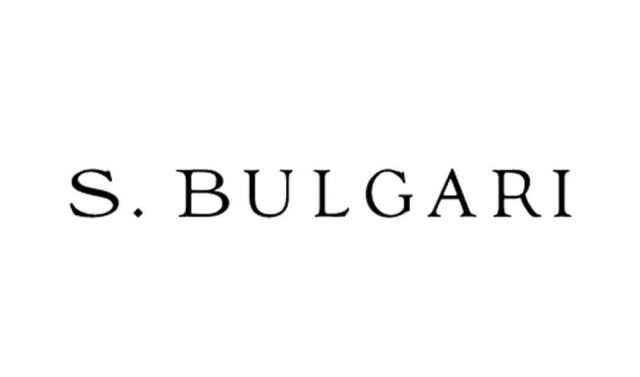
1921–1928: Serif Refinement and Brand Expansion
As Bulgari grew, its typography began to evolve. The lettering became larger and more balanced, moving toward the geometric clarity that defines the modern wordmark. The “S.” prefix remained, but the design’s proportions signaled a shift toward a more contemporary luxury identity.
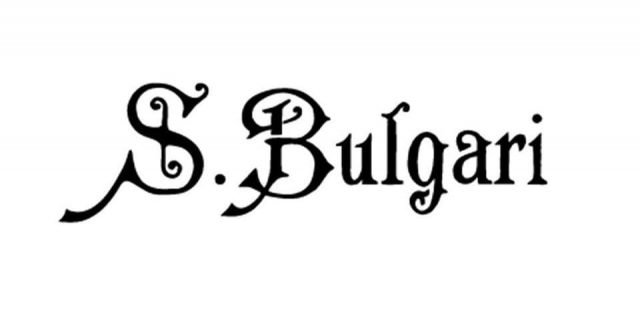
1928–1934: A Flourish of Calligraphic Ornament
In the late 1920s, Bulgari experimented with an elaborate script logo. The letters “S” and “B” featured dramatic flourishes, while even the lowercase glyphs carried decorative strokes. This was the final era in which the second letter remained a “U,” reflecting the spelling of the founder’s Italianized surname before the move to classical stylization.
1934–Today: The Classical “BVLGARI” Wordmark
The year 1934 marks the beginning of Bulgari’s modern visual identity. As the maison prepared its flagship redesign on Via Condotti, the brand unveiled the wordmark BVLGARI, replacing the “U” with the Latin “V.” This typographic choice anchored the brand to ancient Roman tradition and has remained unchanged ever since.
Its crisp serif geometry, extended forms, and classical proportions have become defining elements of the luxury house. Today’s logo is nearly identical to its 1934 predecessor—proof of its enduring power and the maison’s commitment to heritage.
Design Analysis
The Bulgari logo succeeds because of its purity and discipline. Its serif characters are elongated and refined, with balanced proportions that evoke classical inscriptions found on Roman temples and monuments. The spacing between letters creates an atmosphere of luxury, authority, and calm confidence.
The substitution of “V” for “U” is not merely stylistic—it is a conceptual anchor. It places Bulgari in the lineage of classical Rome, reflecting the maison’s roots in Italian artistry and its lasting commitment to sculptural design.
Font & Color
Font
The Bulgari typeface resembles fonts such as Aviano Serif Regular or Sweet Gothic Serif Regular, yet it is highly customized. The serif style is crisp and architectural, with measured contrast and elongated lines that echo ancient stone carvings. Its geometry gives the logo a sense of permanence—an ideal expression of a luxury brand with deep artisanal roots.
Color
Bulgari adheres to a timeless black-and-white palette, a common choice among heritage luxury brands. Black conveys authority, sophistication, and precision. White represents purity and craftsmanship. This stark contrast enhances readability and reinforces the maison’s commitment to refined minimalism.
For packaging, boutiques, and campaigns, Bulgari often incorporates gold accents, enhancing the sense of opulence and aligning with the maison’s jewelry legacy.
The Eternal Signature of Roman Luxury
The Bulgari logo is a masterwork of luxury branding—a visual identity that captures nearly a century of heritage, artistry, and cultural influence. Its evolution from early artisanal signage to the Roman-inspired “BVLGARI” wordmark mirrors the maison’s journey from a silversmith’s boutique to a global symbol of prestige.
Unchanged since 1934, the logo endures as an emblem of timeless elegance, architectural beauty, and Italian craftsmanship. It is more than a brand mark—it is the signature of a house whose creations continue to shape the language of modern luxury.
FAQ: Bulgari Logo & Brand Identity
Why does Bulgari use a “V” instead of a “U”?
The “V” references classical Latin inscriptions from ancient Rome, reinforcing the brand’s heritage and Italian identity.
When was the modern Bulgari logo introduced?
The iconic BVLGARI wordmark debuted in 1934 on the Via Condotti flagship façade.
What does the Bulgari logo symbolize?
It symbolizes Roman heritage, architectural precision, and the maison’s dedication to craftsmanship and luxury.
Has the Bulgari logo changed much over time?
After several early variations, the 1934 logo became the permanent design and has remained virtually unchanged.
What font is used in the Bulgari logo?
It resembles Aviano Serif Regular and Sweet Gothic Serif Regular, though the official wordmark is fully customized.