
Gazprom Logo History: Meaning, Symbolism & Brand Heritage
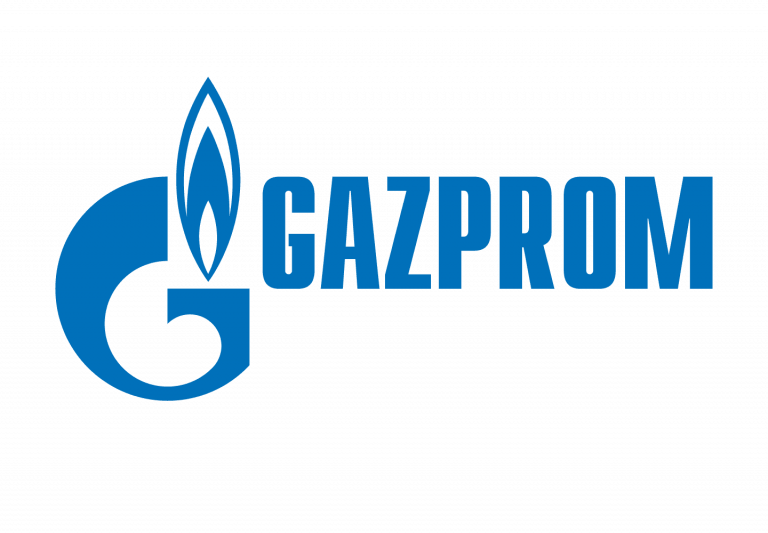
Few corporate symbols in the global energy landscape carry as much historical weight and geopolitical significance as the Gazprom logo. As the world’s largest producer of natural gas and one of Russia’s most influential state-controlled enterprises, Gazprom has built an identity that intertwines national heritage, industrial capability, and the material reality of the resources it extracts.
The company traces its foundations back to 1943, when the Soviet government formalized its domestic gas industry. What would eventually become Gazprom emerged from this long institutional lineage, adopting its recognizable corporate identity after the restructuring of the Ministry of Gas Industry in 1989.
Because Gazprom operates at the intersection of geology, engineering, energy security, and state strategy, its visual identity has always carried a symbolic burden that extends beyond commercial branding.
The logo does not merely identify a gas conglomerate; it reflects an entire infrastructural system built around extraction, transport, and distribution of natural gas. As a result, its imagery is constructed with a clarity and directness rarely seen in the corporate sphere. The mark speaks to the physical transformation of natural gas from underground deposit to burning fuel, and it anchors the brand in a tradition of industrial pragmatism.
Meaning and Symbolism
The fundamental symbolism of the Gazprom logo centers on the concept of controlled energy. The flame, an unmistakable focal point, represents the combustion of natural gas—clean, efficient, and central to the company’s operations. Its stylized shape is neither decorative nor abstract; instead, it communicates the reliability and continuity of fuel delivery at national scale. Underneath or beside this flame, depending on the version, appears an angular geometric shape integrated into the letterform. It reflects the geological origins of Gazprom’s resources, referencing cartographic conventions used to signify gas deposits.
The combination of flame and geometric mass creates a narrative of vertical progression: resources drawn from deep within the earth rise into usable energy. This narrative is enhanced by the deep blue palette, which aligns with the color of burning methane and conveys a sense of cold-climate engineering, stability, and technological oversight. The symbolism is purposeful, pragmatic, and anchored in industrial heritage.
Gazprom Brand Heritage
Gazprom’s brand identity is deeply intertwined with the history of the Soviet and post-Soviet energy sector. Its visual language draws on mid-twentieth-century industrial iconography, where symbols carried purely functional meanings and rarely pursued aesthetic experimentation. As the company expanded during the 1990s into a global exporter, its visual mark transitioned from a Soviet institutional emblem to an international corporate standard.
What remains consistent across decades is the company’s emphasis on warmth, infrastructure, and transformation. Gazprom’s leadership has repeatedly explained that the flame and the monogram’s iconic geometry are intended to symbolize the heat and comfort delivered to homes and industries across Russia and far beyond. The logo has become a shorthand for the country’s gas network, representing not only commercial operations but a national resource system shaped over generations.
Gazprom Logo History & Evolution Timeline
1990s — The Cyrillic Industrial Identity
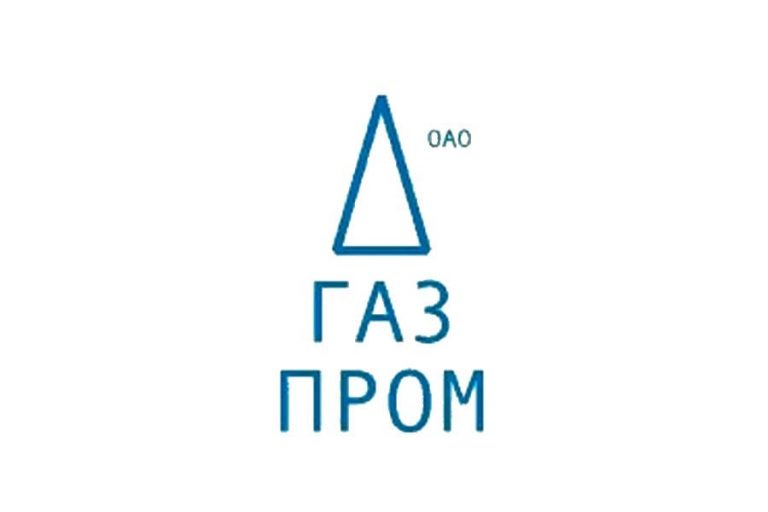
The earliest known Gazprom marks, seen throughout the mid-1990s, were rendered entirely in Cyrillic and featured the word “ГАЗ” with the central “A” transformed into a stylized triangular gas deposit. Above it appeared a flame, signaling the combustion process. Beneath the primary lettering was the word “Пром,” completing the formal name “Газпром.” This design followed the visual traditions of Soviet industrial ministries: direct symbolism, functional typography, and an emphasis on conveying the nature of the product rather than a broader brand message.

Late 1990s — Present: The Modern Gazprom Emblem
Under CEO Rem Vyakhirev, Gazprom adopted a new visual identity that refined these earlier elements into a cohesive modern logo. The flame was preserved but integrated more elegantly into the left side of a Latin-script “G,” which became the emblematic foundation of the brand. This mark has remained in use for decades and has come to symbolize Russia’s energy export sector as a whole. Its purpose is to represent warmth and continuity, a message echoed in official communications describing the flame as a symbol of heat brought into every household.
2001 Alternative Concept
When Alexey Miller took leadership in 2001, a redesigned emblem was commissioned from Typo Graphic Design. This alternative version once again used a triangular form to represent the underground gas deposit, echoing earlier symbolism. Although briefly considered, the redesign was not adopted long-term, and Gazprom reverted to the Vyakhirev-era mark that remains in use today.
The modern logo’s endurance is largely due to its clarity, recognizability, and technical adaptability across digital, print, and large-scale industrial applications.
Typography and Color
Gazprom’s typography is defined by a heavy sans-serif construct with pronounced vertical strokes and a notably mechanical rhythm. The letterforms have a purposeful weight that aligns with large-scale engineering and industrial infrastructure. The slight contrast in stroke thickness creates a sense of structure and stability without sacrificing legibility.
The exclusive use of blue is equally intentional. It mirrors the flame color of burning methane—a signature characteristic of natural gas—and reinforces themes of trust, reliability, and technological precision. The blue-and-white composition is clean, severe, and instantly recognizable, allowing the logo to function effectively across everything from gas pipelines and refinery signage to investor documentation and international marketing.
The Enduring Identity of an Energy Giant
Throughout its evolution, the Gazprom logo has remained anchored in the realities of material production and national energy infrastructure. Its symbolism is not metaphorical or abstract but firmly grounded in the geological and physical properties of natural gas. This clarity has contributed to the emblem’s longevity and global recognition.
As Gazprom continues to operate at the center of international energy markets, its logo serves as a visual summary of its heritage: a blend of Soviet-era industrial identity, modern corporate structure, and the universal symbolism of fire as controlled power. The result is a mark that conveys scale, permanence, and the enduring relevance of natural gas in global energy systems.
FAQ — Gazprom Logo & Brand Identity
What does the Gazprom logo represent?
The logo symbolizes the transformation of natural gas from underground deposits into heat and usable energy, expressed through the geometric “G” structure and the stylized flame.
Why is blue the dominant color in the Gazprom emblem?
Blue reflects the natural color of burning methane and conveys themes of reliability, stability, and technological precision.
Is the Gazprom logo connected to Soviet industrial heritage?
Yes. The earliest versions were deeply rooted in Soviet industrial symbolism, emphasizing function over aesthetics and depicting gas deposits and flames with literal clarity.
Why did the company not adopt the 2001 alternative logo?
Gazprom ultimately retained its familiar emblem because it carried stronger recognition and continuity, particularly valuable for an international exporter of strategic resources.
What is the meaning of the flame element?
The flame is a direct representation of burning natural gas and symbolizes warmth, energy, and consistent supply.